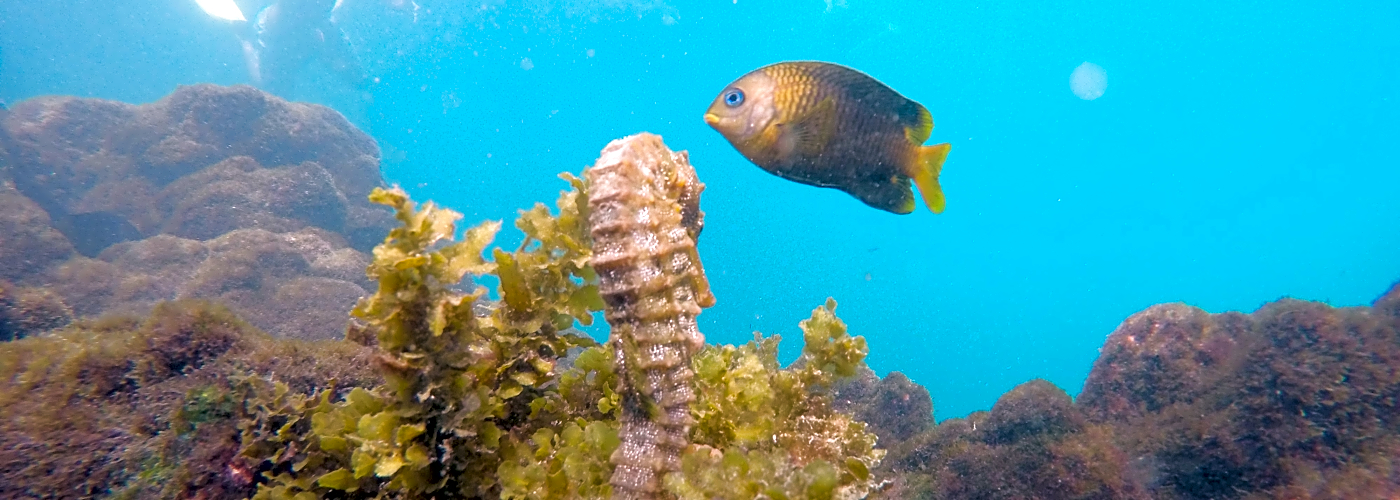

Why Choosing the Right Time Transforms Your Ecuador Adventure
After exploring Ecuador across three different seasons, I can tell you that choosing when to visit this country isn’t just a minor detail. The difference between standing before a clear, majestic Cotopaxi versus seeing it hidden behind gray clouds for an entire week can define whether your trip becomes unforgettable or merely okay.
Ecuador packs virtually every ecosystem on the planet into a territory the size of Nevada. I’ve had breakfast with views of snow-capped volcanoes in Quito, lunch on a tropical beach four hours away, and dinner deep in the Amazon rainforest the next day. This geographic diversity means there’s no “universal best time” to visit the country. Your decision needs to align with your specific priorities.
Dream of watching humpback whales breach just yards from your boat? Then you need to be in Puerto López between June and September. Prefer hiking the Quilotoa Loop with dry trails and panoramic views? The Andean dry season from June to September is non-negotiable. Want to swim with sea turtles in Galápagos’ crystal-clear, warm waters? The warm season from December to May will be your best ally.
On the flip side, traveling during low season has significant advantages I discovered out of budget necessity on my first trip. Prices can drop up to 40%, tourist sites are practically empty, and the experience becomes more authentic when you’re not sharing every viewpoint with dozens of other travelers. The weather may be less predictable, sure, but with proper preparation, brief tropical rains won’t ruin your adventure.
Ecuador's Four Climate Regions: Andes, Coast, Amazon, and Galápagos
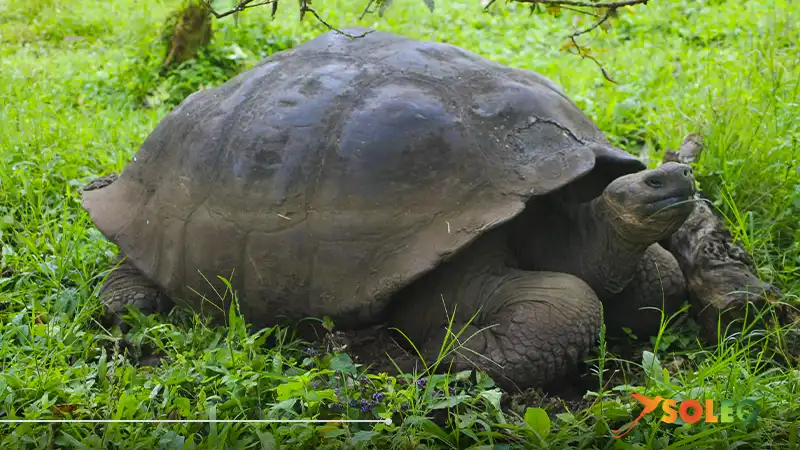
The first time someone explained that Ecuador has four completely different climate regions, I thought they were exaggerating. After traveling the country from north to south, I realized reality exceeds any description.
The Andes cut through Ecuador like a spine of volcanoes and highlands reaching altitudes above 20,000 feet. Colonial cities like Quito and Cuenca nestle in valleys between mountains, while colorful indigenous markets like Otavalo keep ancestral traditions alive. The cold mountain air hits you the moment you leave the airport, reminding you that you’re standing at over 9,000 feet above sea level. Mornings are usually clear even during rainy season, but afternoons bring loaded clouds that transform the landscape in hours.
Descending westward, the Pacific Coast offers a radical contrast. Golden sand beaches stretch from Esmeraldas to the Peruvian border, interrupted by rocky cliffs and fishing villages where ceviche is religion. Humid heat envelops you upon arrival, especially between December and May when temperatures exceed 86°F. During my February visit, Montañita buzzed with surfers and backpackers, while in September I found Puerto López peaceful and perfect for whale watching without crowds.
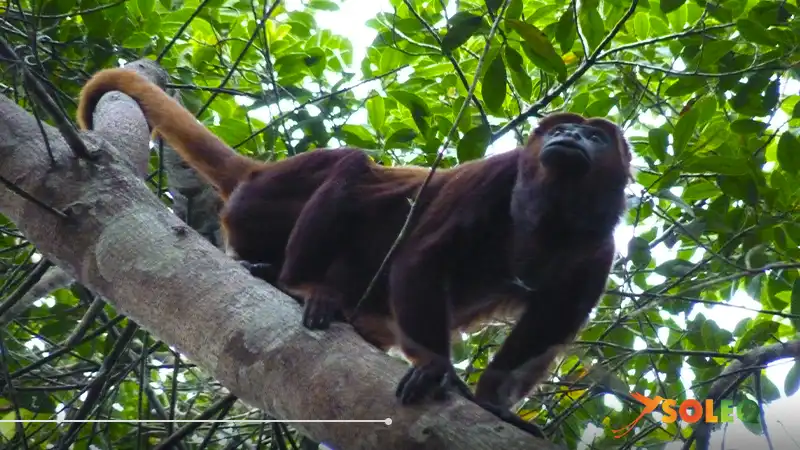
Toward the east, the Ecuadorian Amazon unfolds as an endless green carpet crossed by muddy, coffee-colored rivers. Yasuní, one of the planet’s most biodiverse regions, left me speechless when I heard the jungle’s nighttime chorus from my lodge: frogs, crickets, howler monkeys, and nocturnal birds creating a primitive symphony that seems to come from another geological era. It rains here practically year-round, but far from being an inconvenience, tropical rain is an essential part of the Amazon experience.
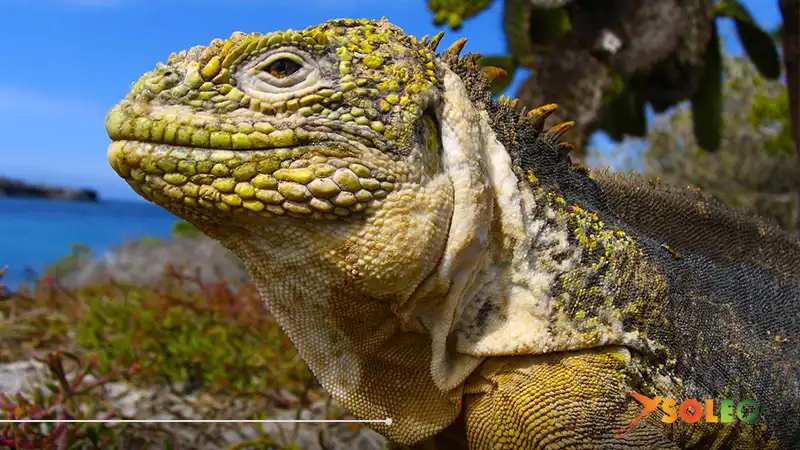
Finally, 600 miles off the continental coast, the Galápagos Islands float in the Pacific like volcanic fragments that Darwin made legendary. Swimming alongside playful sea lions, walking among prehistoric marine iguanas, and watching blue-footed boobies perform their courtship dances are experiences that alone justify the trip to Ecuador. The archipelago has its own climate rhythm, dictated more by ocean currents than continental patterns.
Seasons and Climate: How Ecuador's Weather Works
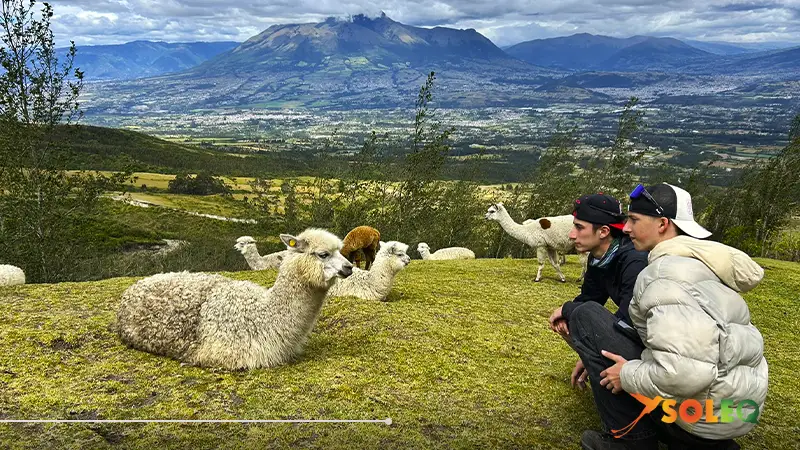
When I first arrived in Ecuador in July expecting European summer, I was surprised to find 59°F temperatures and clear skies in Quito. There’s no summer, fall, winter, or spring as we know them. Ecuador operates with its own climate logic divided between dry and rainy seasons that vary dramatically by region.
In the Andes, the dry season runs roughly from June to September. During these months, volcanoes proudly display their snowy peaks under deep blue skies. Daytime temperatures hover around 64-68°F, but nights can easily drop below 41°F. I remember waking up in Quilotoa with frost on my tent while the rising sun painted the lagoon emerald green. The rainy season, from October to May, doesn’t mean constant rain but rather predictable afternoon showers. Mornings generally dawn clear, allowing activities until midday.
The Coast works inversely. Its dry season coincides with June through November, but “dry” here means overcast skies, cooler temperatures, and ocean water that can drop to 68°F due to the cold Humboldt Current. In contrast, from December to May the coast explodes in tropical heat with temperatures exceeding 86°F, intense but brief rains, and warm water perfect for swimming.
As for the Amazon, prepare to accept that it always rains. The question isn’t whether it will rain, but when and how hard. December through February are relatively drier, making walks on trails that would otherwise be flooded easier. However, even during these months I carried my rain poncho every day and used it at least once.
Galápagos operates under two clear seasons. The warm season from December to May brings crystal-clear, warm waters ideal for snorkeling, along with brief tropical downpours that refresh the islands. The cool season from June to November, influenced by the Humboldt Current, drops water temperatures to 64°F but attracts nutrients that dramatically increase marine life activity. During my August visit, the cold water forced me to wear a wetsuit, but the reward was swimming alongside turtles, sharks, and rays in concentrations I hadn’t seen in the warm season.
Month-by-Month Calendar: When to Visit Each Region
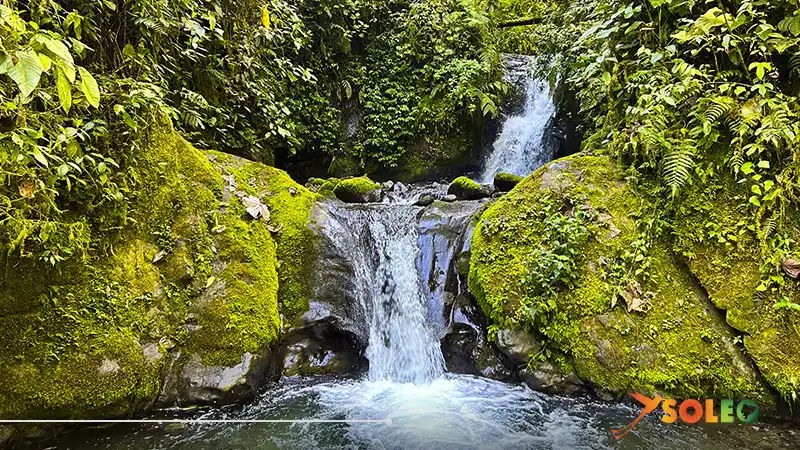
I’ve compiled my observations from multiple Ecuador visits to offer you a realistic month-by-month breakdown. In the Andes, January and February represent the heart of rainy season, but this shouldn’t discourage you if you’re seeking low prices and vibrant green landscapes. Rains usually arrive after midday, allowing full mornings of exploration.
Between March and May, rainfall gradually decreases while vegetation reaches peak splendor. However, watch out for Holy Week, when prices skyrocket and Ecuadorians fill hotels and buses. May marks a beautiful transition toward dry season with pleasant temperatures and fewer tourists than July or August.
The months from June to September constitute the golden window for the Andes. Hiking the Quilotoa Loop under clear skies, watching Cotopaxi reflected perfectly in Limpiopungo lagoon, or simply walking through Quito without needing an umbrella are pleasures that justify planning your trip during these months. Just bring warm clothes because nights are freezing, especially at altitudes above 11,500 feet.
October starts the rainy season again, though gradually. November and December see increased rainfall but also offer opportunities to visit the country with fewer crowds, except during Quito’s festivities in the first week of December and Christmas holidays.
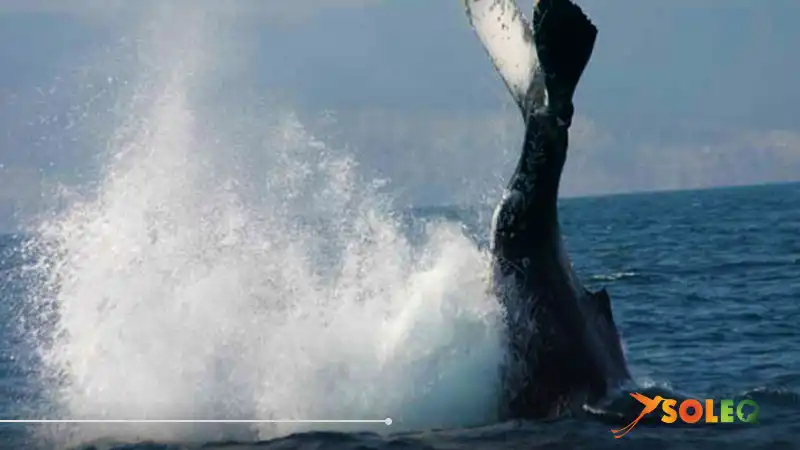
For the Coast, the calendar completely flips. From January to May, beaches come alive with temperatures above 86°F and deliciously warm water. During these months, Puerto López becomes the stage for the most impressive natural spectacle I’ve witnessed: 40-ton humpback whales breaching completely out of the water just yards from our boat. The whale-watching season officially extends through September, but July and August offer the highest probabilities of close encounters.
In the Amazon, December through February facilitate overland trekking with relatively more passable trails. During my January visit, we could walk several miles into primary forest, something that would have been impossible in May when rivers swell and flood large areas. However, the rainy season between April and July has its particular charm: navigating swollen rivers allows you to reach normally inaccessible areas, bringing you closer to the forest canopy where wildlife takes refuge.
Galápagos deserves special month-by-month attention. January marks the start of green turtle and land iguana nesting. February sees flamingos building nests in coastal lagoons while penguins begin courting. March is exceptional for snorkeling with water at its warmest, allowing extended sessions without hypothermia. April brings albatross arrivals to Española, whose synchronized mating ritual seems choreographed by a natural ballet director.
From June onward, Galápagos transforms its character. Water cools but explodes with pelagic marine life. July and August are months of frenzied reproductive activity among sea lions, blue-footed boobies, and other species. September offers perhaps the best combination of active wildlife with fewer tourists than previous months. October and November mark the transition back toward warm season with temperatures gradually rising.
Best Times for Trekking, Whale Watching, and Wildlife
If you’re a trekking enthusiast like me, plan your Andes visit between June and September without hesitation. Hiking the Quilotoa Loop for three days under clear skies, spending nights in family-run hostels where they serve you hot soup prepared on wood-burning stoves, is a transformative experience. Dry trails let you advance without the mud that characterizes rainy season, and panoramic volcano views extend to the horizon in all directions.
For humpback whale watching, mark your calendar between June and September, with July and August as peak months. Leaving Puerto López at dawn, sailing an hour to Isla de la Plata, and witnessing these ocean giants breaching, slapping the water with their fins, and raising their calves is a spectacle that surpasses any documentary. Sighting probabilities exceed 90% during these months, and you can combine the experience with snorkeling at Isla de la Plata, known as “the poor man’s Galápagos” for its abundant marine life.
In Galápagos, wildlife watching works year-round, but each species has its starring moment. Blue-footed boobies perform their most elaborate courtship dances between June and August on North Seymour Island. Watching males lift their electric-blue feet while emitting whistles to attract females brought a smile to my face I couldn’t erase for hours. Galápagos albatrosses, on the other hand, can only be seen on Española between April and December, with their courting peak from May to July when they perform vocal rituals and synchronized head movements that seem straight out of a science fiction movie.
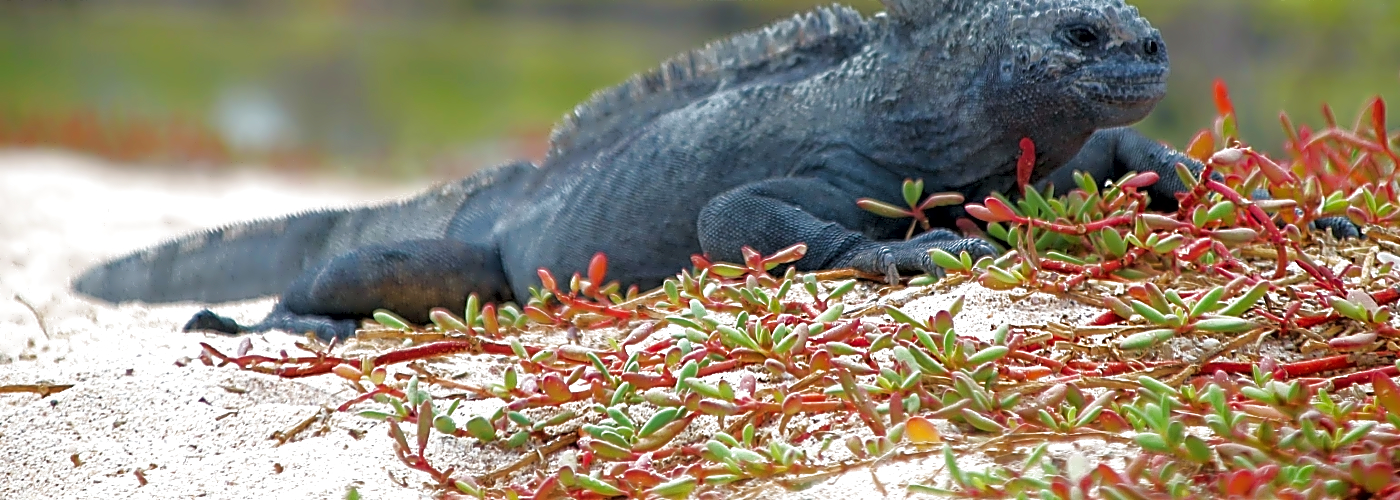
Sea turtles nest mainly between December and March, allowing you to observe both females arriving at beaches and tiny hatchlings running toward the sea weeks later. Marine iguanas develop their brilliant red coloring during these same months, especially males on Española, transforming into creatures that look painted with watercolors.
If you’re seeking beach experiences on the continental coast, schedule your trip between December and May when water reaches 80-84°F and the sun shines generously. Montañita fills with surfers taking advantage of consistent waves, while quieter beaches like Ayampe or Mompiche offer total disconnection from the modern world. Avoid June through November for beach activities: cold water and cloudy skies limit enjoyment, though these months are perfect for exploring coastal towns without extreme heat.
High Season vs. Low Season: Prices, Crowds, and Accessibility
Traveling in high season versus low season can mean budget differences of up to 40%. During July and August, as well as Holy Week and Christmas holidays, prices spike while tourist sites fill up. Galápagos cruises that cost $2,000 for five days in February can reach $3,500 in July. Hotels in Quito double their rates during Quito’s festivities in December.
However, traveling in low season requires mental flexibility. During my November visit, I faced tour cancellations due to weather and roads temporarily blocked by landslides on the route to Baños. Nothing that couldn’t be solved with an extra buffer day, but travelers with rigid itineraries can get frustrated. The Andes experience landslides more frequently between October and May, especially on roads crossing mountainous areas like the Quito-Baños highway or the route to Quilotoa.
The Amazon presents logistical challenges regardless of season. The most remote lodges require charter flights or extended boat trips that can be cancelled due to weather conditions. Book with established operators who have clear contingency plans.
For Galápagos, book flights and cruises at least three months in advance during high season, or risk paying prohibitive prices or running out of options. During low season, you can find last-minute deals, though availability on specific cruises isn’t guaranteed.
Best Time to Visit Ecuador According to Your Travel Style
Adventurers dedicated to trekking should prioritize June through September for the Andes, period. No other consideration will outweigh the importance of walking dry trails under clear skies. Combine this with whale season on the coast and you’ll have a practically perfect trip.
If your passion is wildlife, Galápagos works year-round but requires specific research about which species you want to prioritize. During my August trip focused on diving, cold water brought hammerhead sharks, turtles, and rays in astonishing quantities. In contrast, my friend who visited in February had crystal-clear waters perfect for casual snorkeling but less large pelagic life.
Photographers face complex decisions. For Andean landscapes with clear volcanoes, June through September is non-negotiable. To capture marine iguanas in their brilliant red coloring, you need to visit Galápagos between December and March. Equatorial light is intense year-round, but early mornings and sunsets offer the best conditions for photography in any season.
Those seeking authentic cultural experiences should consider traveling during important festivals. Inti Raymi in June transforms Otavalo into a stage of ancestral celebrations with music, dances, and purification rituals dating back to pre-Columbian times. Participating in these festivities offers a cultural window that no museum can match, though prices and accommodation availability get complicated.
If your budget is limited, avoid July, August, Holy Week, and Christmas holidays. February, March, October, and November offer the best balance between reasonable prices and acceptable weather. Always negotiate in low season: many hotels and tour operators prefer filling spaces with discounts rather than leaving them empty.
Practical Tips for Planning Your Perfect Trip
Book Galápagos tours as far in advance as possible, especially cruises. The best boats fill up six months ahead during high season. For the Amazon, two months are usually sufficient, while in the Andes you can improvise more easily except during tourist peaks.
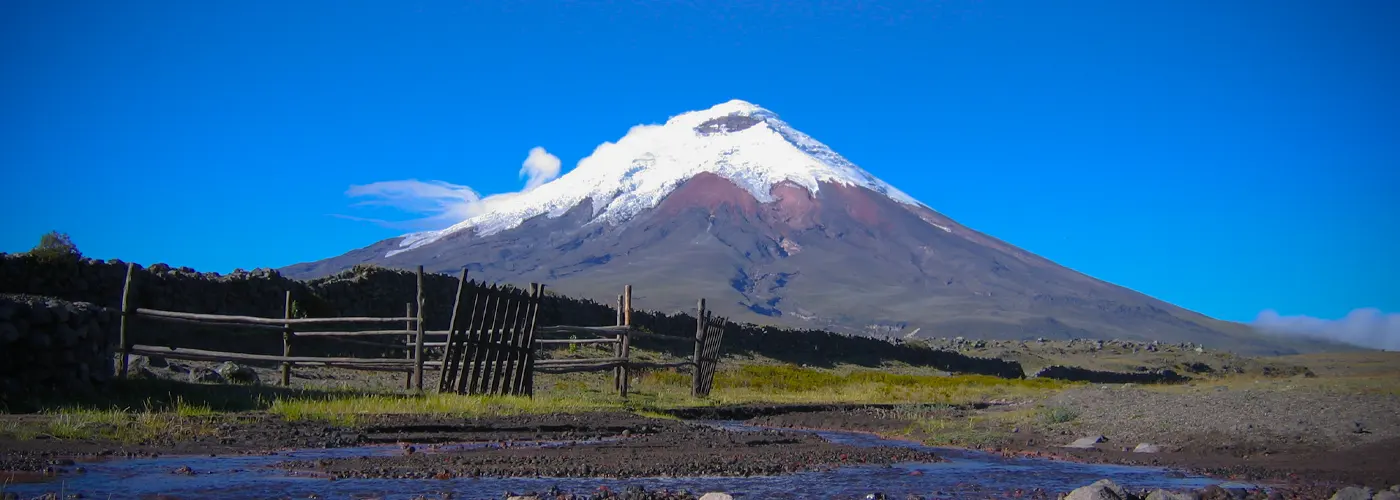
Build flexibility into your itinerary. Ecuadorian weather can be capricious: I’ve seen volcanoes completely clear during rainy season and hidden for weeks during dry season. If your only chance to see Cotopaxi is a single day, the odds work against you regardless of season.
Pack for all seasons in one trip. You’ll need thermal clothing for Andean nights, light and breathable clothes for the coast and Amazon, quality rain gear for any region, and strong sun protection for Galápagos where equatorial sun burns mercilessly.
Finally, accept that there’s no perfect trip where everything is at its optimal moment simultaneously. Ecuador is too diverse for that. Prioritize your main interests, maintain flexibility for the rest, and prepare for this country to surprise you in ways you didn’t anticipate, regardless of when you arrive. Once you know when you want to travel, the next step is designing the right journey for those dates. Our private Ecuador tours combine the Andes, Amazon, Pacific Coast and Galapagos in tailor-made itineraries built around your interests, preferred pace and the seasonal experiences that matter most to you.
Contact us today and let’s start planning your 2026 masterpiece!