In the Galapagos Islands, there is no bad time to travel – just different seasons with distinct highlights. Those who understand these differences can make an informed decision. Those who do not may book by chance and potentially miss exactly what they planned the trip to experience.
This guide explains the differences in the best travel time for Galapagos month by month – including water temperatures, wildlife observations, and visitor density details. The data is based on long-term observations in the archipelago; local variations are possible.
The Two Seasons of Galapagos

The Galapagos Archipelago – located approximately 1,000 km west of the Ecuadorian coast – is characterized by two oceanic currents that define the two primary seasonal periods.
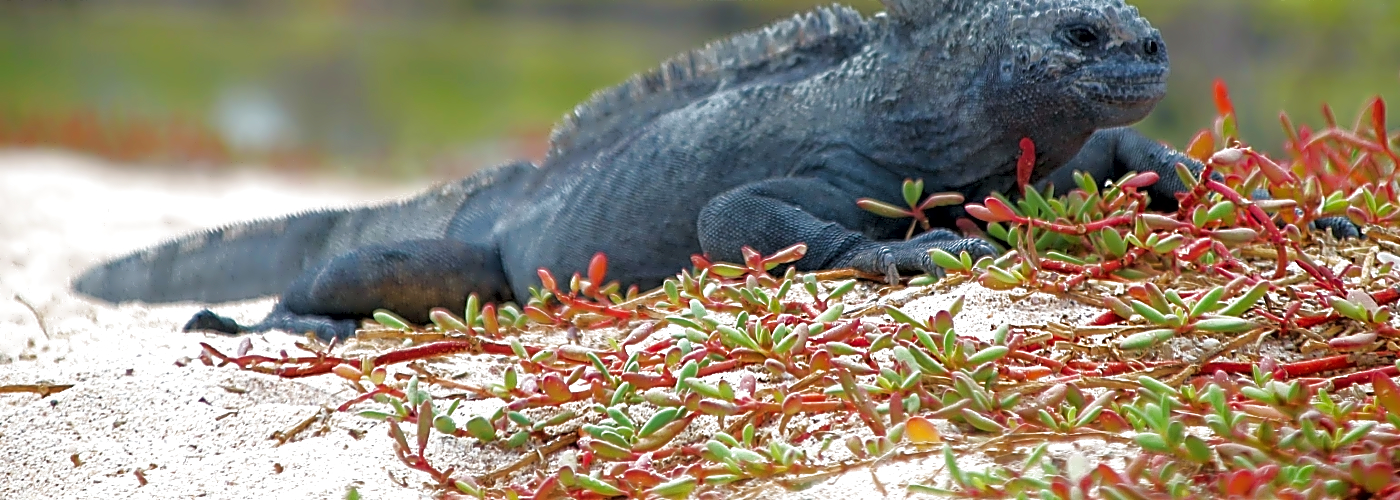
- Warm Season (December to May): The Panama Current brings warmer water (22–28 °C) and calmer seas. The days are sunnier, with gentler inter-island crossings. Sea turtles (Chelonia mydas) nest, sea lion pups are born, marine iguanas (Amblyrhynchus cristatus) hatch from their eggs. Suitable for travelers prone to seasickness who seek or can tolerate high temperatures.
- Garúa Season (June to November): The Humboldt Current from the south brings nutrient-rich, cooler water (18–22 °C). More cloud cover, occasional misty rain (garúa), but also humpback whales (Megaptera novaeangliae), whale sharks, and exceptional visibility for divers and snorkelers. High season for underwater enthusiasts with lower heat tolerance.
No season dominates the other. The choice depends on which animal species or experience takes priority.
Galapagos Travel Season: Month by Month
- January: Water 24–26 °C, sea calm. Sea turtles nesting on beaches; sea lion pups active. Marine iguana eggs hatching on multiple islands. Medium visitor density.
- February: Water 25–27 °C, warmest month. Peak sea turtle egg-laying period. Frigate birds performing courtship displays on North Seymour. Good snorkeling conditions. Medium visitor density.
- March: Water 23–25 °C, transition month. First waved albatrosses arrive on Espanola (main arrival in April). Blue-footed booby courtship begins on several islands. Medium visitor density.
- April: Water 22–24 °C. Waved albatrosses fully arrived on Espanola – spectacular courtship dance observable from April to December. Transition to Garúa season. Low to medium visitor density.
- May: Water 20–22 °C. Garúa begins. Blue-footed boobies with chicks. First humpback whales visible. Good diving entry period. Low visitor density.
- June: Water 18–21 °C. Humpback whales migrating (June–August). Flightless cormorants breeding on Fernandina. Galapagos penguins active. Underwater visibility improving. Rising visitor density (start of European summer holidays).
- July: Water 18–20 °C. Whale sharks around Darwin and Wolf Islands (July–November) – exclusively accessible by liveaboard. Humpback whales. Best diving months begin. High visitor density.
- August: Water 18–19 °C, coldest month. Whale sharks present. Blue-footed booby courtship dance on multiple islands. Excellent visibility for divers and snorkelers. Highest visitor density of the year.
- September: Water 19–21 °C. Whale sharks still present. Land iguanas hatching on some islands. Visitor density decreases mid-month.
- October: Water 20–22 °C. End of whale shark season. Marine iguanas active. Calmer crossings. Low to medium visitor density.
- November: Water 22–24 °C. First sea turtles returning to nesting beaches. Sea lion pups. End of Garúa season. Good overall conditions with pleasant temperatures.
- December: Water 24–26 °C. Warm season begins again. Turtle nesting period. Calmer sea. Christmas/New Year period: very high visitor density – plan early.
Water Temperature and Marine Currents
Water temperatures vary significantly between islands and depths. The warm surface waters from December to May favor activities like snorkeling and sea turtle observations. The Humboldt Current from June to November lowers temperatures to 18–22 °C and attracts whale sharks, hammerhead sharks, and pelagic large fish – the scope of interest for experienced divers.
For Galapagos cruises, note that the cooler season brings choppy sea conditions between the outer islands. Travelers prone to seasickness should preferably book between December and April or consciously choose routes with shorter crossings.
Best Travel Time by Destination and Experience
- Whale Sharks (Darwin and Wolf Islands): July to November. Only accessible via diving liveaboard cruise.
- Waved Albatross (Espanola): April to December. Mating dance: most intense April to June.
- Sea Turtle Nesting: November to March.
- Humpback Whales: June to September.
- Blue-footed Booby Courtship: March to August, occasionally year-round.
- Galapagos Penguins (Isabela and Bartolome): Year-round, more active during cool season.
- Best Diving Conditions (visibility, large fauna): June to November.
- Calm Seas, Snorkeling: December to April.
Galapagos Travel Season and Planning with Soleq Travel
The decision about the optimal travel time is closely linked to the type of travel. An Galapagos individual tour with island hopping is logistically easier during the warm season; a cruise to the outer islands unfolds its full potential during the Garúa season. Those who want to combine both will find a balanced window in the transition months of April/May and October/November.
Soleq Travel has been designing individual Galapagos trips for travelers from the German-speaking region for more than two decades – without mass groups, with careful route planning and knowledge of the seasonal characteristics of each island. Why Ecuador and the Galapagos? Experience the uniqueness of the archipelago – with the right preparation.
Frequently Asked Questions About Galapagos Travel Season
When is the best time to travel to the Galapagos?
There is no bad travel season. December to May is the warm season – calm seas, sea turtles, sea lion pups. June to November is the Garúa season – whale sharks, humpback whales, best diving conditions. The optimal choice depends on your priority.
When can you see whale sharks in the Galapagos?
Whale sharks are primarily found from July to November around the northern islands of Darwin and Wolf. These islands are exclusively accessible via diving liveaboard cruise.
When do waved albatrosses court on Espanola?
Waved albatrosses (Phoebastria irrorata) are on Espanola from April to December. The most impressive courtship dances can be observed from April to June.
Is August recommended in the Galapagos?
August is in the core of the Garúa season: 18–19 °C water temperature, best diving conditions, whale sharks and blue-footed booby courtship. Highest visitor density – book early.
Your Galapagos Journey Begins with the Right Question
Not “When is the best travel time?” — but: “What do you want to experience?” Those who want to encounter whale sharks travel differently from someone who wants to watch sea lion pups playing. A diver chooses a different month than someone who snorkels. If you want to observe waved albatrosses, you should travel to Espanola between April and December. In Galapagos, there is no bad season — only different natural spectacles at different times.
Since 2006, we have been helping travelers from the German-speaking region answer exactly this question — and create a journey that is not pre-fabricated but individually designed. Tell us which animal, which island, which moment is important to you. We will plan the route that leads there.
Set Out. Discover. Marvel. Write to us — we’ll turn your wish into a travel plan →