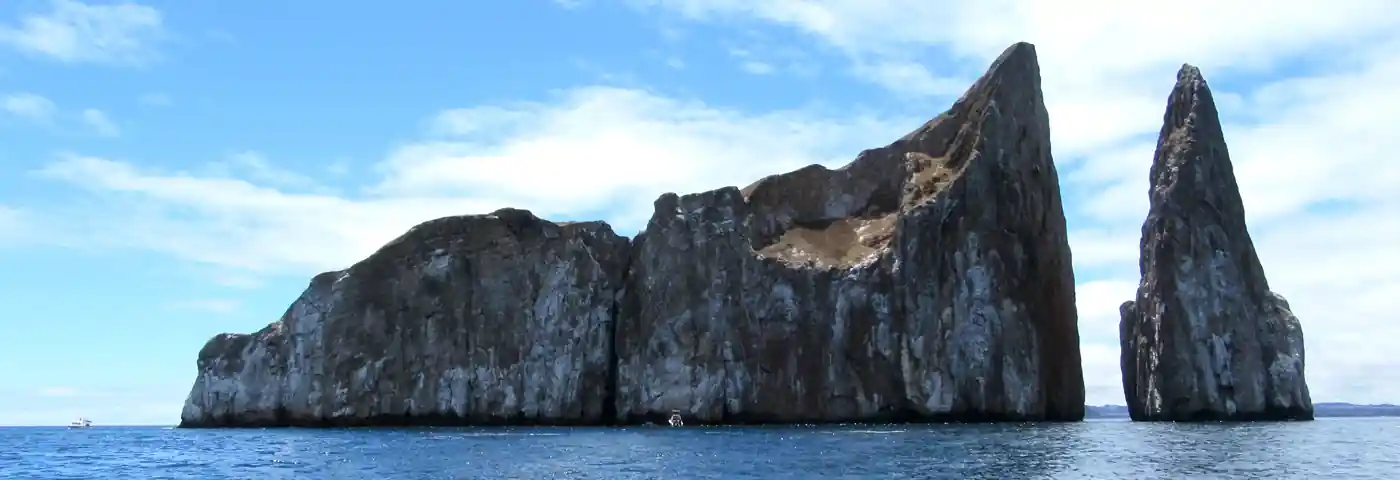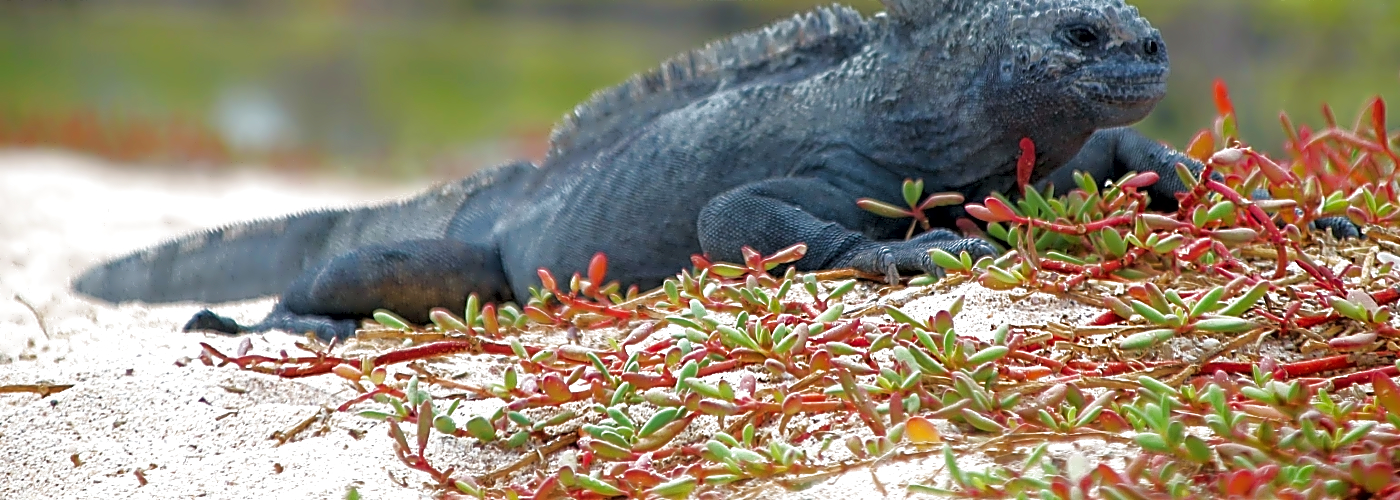
The idea is tempting: a few spontaneous weeks off, the impulse to travel, and weeks later you’re standing on the Galápagos Islands — roughly 621 miles (1,000 km) off Ecuador’s coast. Booking Galápagos last-minute sounds like freedom. Reality is more nuanced.
Galápagos is one of the world’s most heavily regulated destinations. The Galápagos National Park system controls every visitor access point: licensed naturalist guides, quota-controlled visitor trails, limited vessel capacity. Those who book spontaneously encounter an ecosystem not designed for mass-tourism flexibility — and that’s not a flaw, but a conservation principle.
What this means for you specifically depends on your travel window, your flexibility, and what you want to experience. This assessment helps you make a realistic decision.
Why Galápagos Requires More Lead Time Than Other Destinations

Galápagos isn’t a package destination easily pulled from a catalog. The islands’ location — 621 miles (1,000 km) off Ecuador‘s coast and a UNESCO World Heritage Site since 1978 — has direct consequences for booking logistics.
Every vessel operating in Galápagos National Park requires a government license. Every naturalist guide must be certified. Every visitor trail on the islands is quota-controlled. The total number of tourist beds is limited — both on vessels and in accommodations on Santa Cruz, San Cristóbal, and Isabela.
What this means: The best vessels — expedition ships with 16 to 20 passengers and experienced naturalist guides — are often booked six to nine months in advance during high season (July, August, December, January). Popular visitor sites like Punta Suarez on Española or the northern island of Genovesa quickly reach their daily capacity limits during peak season.
For an overview of which season enables which wildlife encounters, it’s worth reviewing our assessment of the best time to visit Galápagos.
When Last-Minute Galápagos Travel Realistically Works

A last-minute trip doesn’t exclude Galápagos — but there are conditions under which it’s more likely to work.
Shoulder season: The months of February, March, April, October, and November are considered shoulder season. Vessel capacity is less heavily utilized. Wildlife is present year-round; however, the garúa season (June through December) differs from the hot season (January through May).
Flexible itinerary: Those not fixated on a specific island — say, Española for the albatross or Fernandina for the flightless cormorant — have significantly more options. Standard routes around Santa Cruz and North Seymour are more frequently available on short notice than expedition routes to more remote destinations.
Island-hopping instead of cruise: Galápagos independent travel based on Santa Cruz or San Cristóbal is logistically easier to organize last-minute than cruises. Day trips to neighboring islands can often be booked just weeks in advance — provided accommodations are available.
Cancellation capacity: Occasionally, spaces on good vessels become available last-minute when other guests cancel. These options require contacts with local agencies — and a specialist who knows and can access these channels.
What Can Be Lost with a Last-Minute Booking

Transparency matters more here than sales optimism. A last-minute booking typically means: you choose from what’s available — not from what best suits you.
- Limited vessel selection. Premium-category vessels — smaller motor yachts or catamarans with quality amenities — are usually booked first.
- Missed seasonal highlights. Those wanting to see the albatross on Española must book between March and December — and on a vessel that includes this island.
- Domestic flights. Flights from Quito or Guayaquil to Galápagos are quota-controlled and scarce during high season. Last-minute available seats are more expensive or nonexistent.
Those wanting to combine a Galápagos cruise with mainland Ecuador time need even more lead time — the logistics of two different travel segments can only be optimally planned on short notice to a limited degree.
Five Questions Before Any Last-Minute Decision
Before initiating a booking under time pressure, an honest self-assessment is worthwhile:
- How flexible are you with the itinerary? Those fixated on specific islands or seasonal phenomena shouldn’t book spontaneously.
- How tolerant are you regarding vessel quality? Last-minute means willingness to compromise — that’s not a problem if you know it in advance.
- When exactly are you traveling? July and August differ significantly from October and March. Availability varies considerably.
- Have you factored in domestic flights and park entrance fees? These are mandatory and must be organized last-minute, but can become more expensive.
- Who’s coordinating for you? Last-minute on your own is possible but error-prone. A specialist with local contacts can activate capacity that isn’t visible online.
Additional considerations regarding booking format can be found in our comparison Galápagos cruise vs. island-hopping.
What a Galápagos Specialist Does with a Last-Minute Inquiry
The difference between a generic last-minute booking through an online portal and a booking through a specialized agency lies in information that isn’t publicly available.
A specialist with direct collaboration with local agencies in Ecuador knows cancellation capacity, understands which vessel operators work reliably despite short-notice bookings, and can recommend an itinerary that fits your profile — not just point to what happens to be available.
Galápagos trips booked through Soleq Travel begin with an assessment: What do you want to experience? Only then comes the review of available options. Even a last-minute booking goes through this filter, because it’s the only method that ultimately yields an appropriate experience.
The Question That Precedes the Last-Minute Decision
Traveling spontaneously to Galápagos is possible — but the critical question isn’t just: “Is something still available?” It’s also: “Is what’s available right for me?”
Since 2006, we’ve organized trips for guests to the Galápagos Islands — including both well-planned and last-minute journeys. The quality of the experience depends less on booking timing than on the fit between expectation and reality. If you’d like to know what’s currently available and genuinely recommended for your time window: Share your vision with us — we’ll assess what’s possible →
Venture. Discover. Marvel.