
Quick Answer: Carnival in Ecuador 2026 takes place on February 16-17 (Monday and Tuesday). It’s a national holiday when cities transform with colorful parades, music on every corner, and the traditional battle of water, foam, and flour.
What to Expect from Carnival in Ecuador
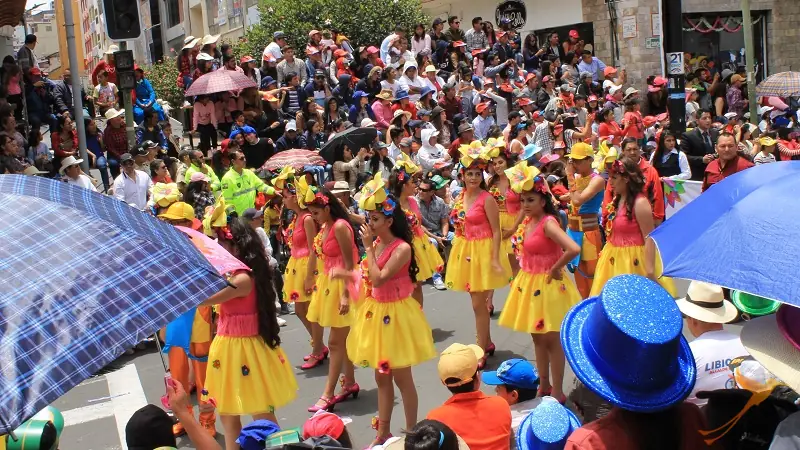
Ecuadorian Carnival operates as two simultaneous celebrations: the official event with scheduled parades and cultural festivals, and the spontaneous celebration that emerges in every neighborhood with impromptu music and street games.
Each region celebrates with its own personality. In the Sierra (highlands), cities like Ambato organize spectacular parades, while Guaranda experiences its most authentic celebration. However, if you prefer the beach, the Coast offers a more laid-back Carnival where the ocean blends with the festivities.
I remember my first time in Cuenca during Carnival. Within minutes, I went from a serene street to one filled with foam and laughter. That unpredictability is precisely the charm: you never know what you’ll find, but it’s always authentic.
Origin and Tradition
Carnival in Ecuador is a unique fusion of the Catholic calendar and indigenous traditions that predate colonization, linked to cycles of water and earth’s fertility. Water symbolizes renewal and strengthens community bonds, which is why when someone throws water at you, it’s not just fun—it’s a centuries-old tradition.
Now, there’s an unwritten code: you only play with those who want to play. If someone avoids interaction or doesn’t wish to participate, it’s best to respect that. This detail makes the difference between enjoying Carnival and feeling uncomfortable.
Best Places to Experience Carnival 2026
Ambato: Festival of Flowers and Fruits
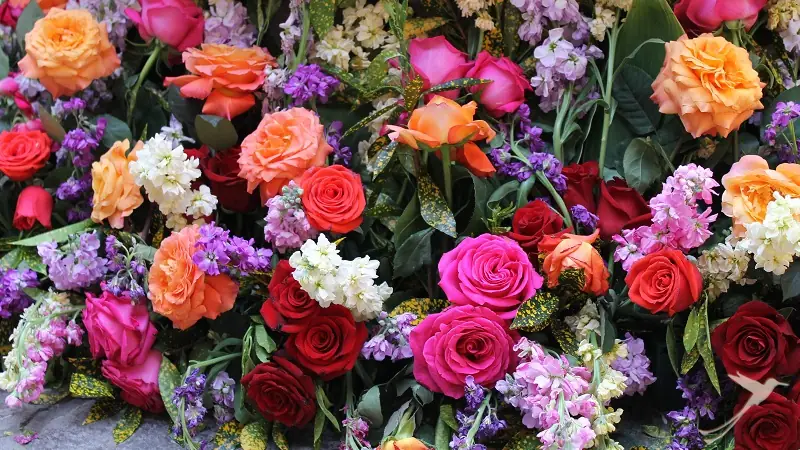
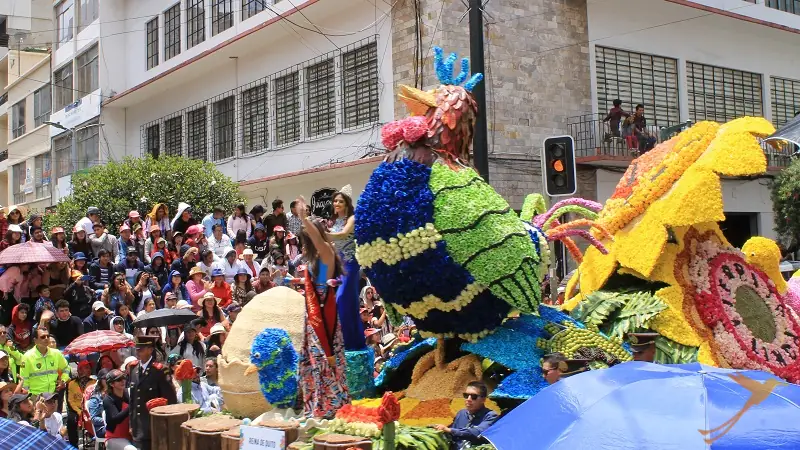
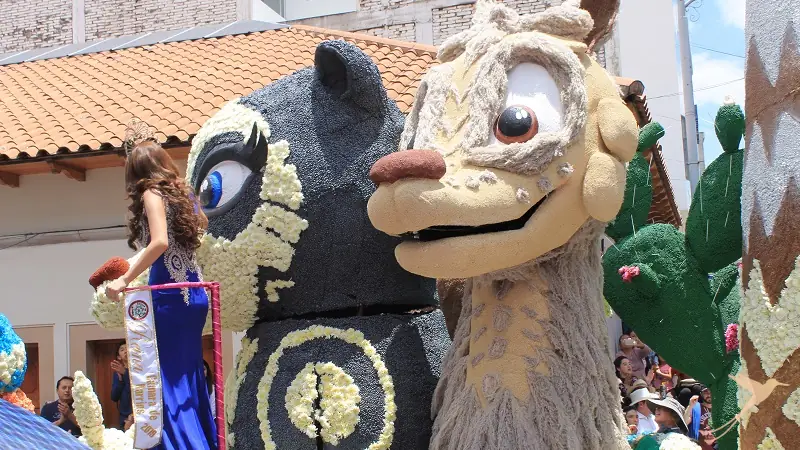
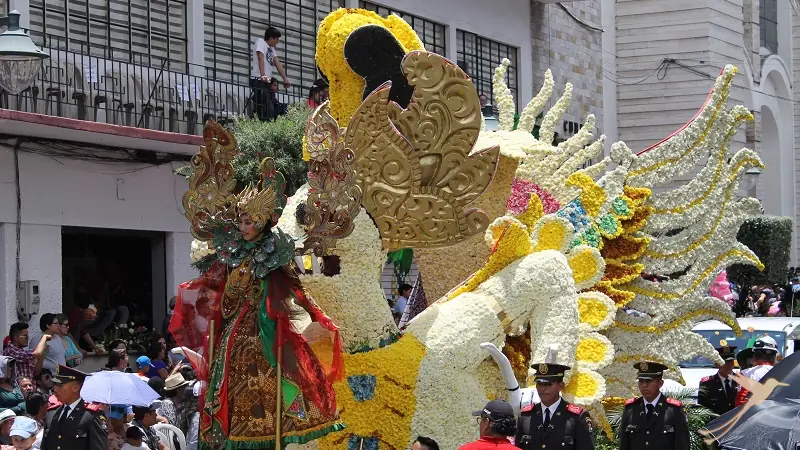
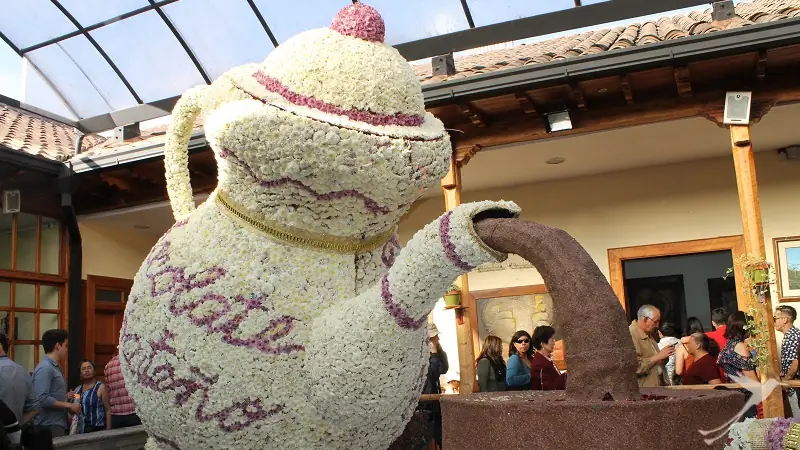
Ambato is my top recommendation for those seeking an organized Carnival. Floats decorated with thousands of fresh flowers parade during the day, but the Ronda Nocturna (Night Parade) elevates it with lights and live music. Unlike other cities, Ambato concentrates its celebration on scheduled events, which means less street chaos and is ideal for families.
During a visit with photographers we organized from Soleq, we captured spectacular images without worrying about protecting equipment from constant water.
Cuenca: Colonial Charm
Cuenca offers the perfect balance between celebration and tranquility. This UNESCO World Heritage city maintains its architectural elegance during Carnival. You can walk admiring colonial balconies and suddenly stumble upon an impromptu parade.
What I enjoy most is its food scene. Between events, you can try mote pillo or fritada while the city pulses with festive energy. However, in certain downtown streets the water games can be intense, so observe the atmosphere before diving in.
Guaranda: Unfiltered Authenticity
Guaranda experiences the most intense Carnival in the Sierra. Here you won’t find a celebration designed for tourists, but the authentic party that Guaranda locals have celebrated for generations. “Taita Carnaval” is mentioned in songs as a symbol of this total festivity, without breaks or safe zones.
Therefore, Guaranda isn’t for everyone. If you’re traveling with kids or prefer something controlled, Ambato is a better option. But if you’re looking for authentic Ecuadorian Carnival, Guaranda will give you an unforgettable experience.
Quito: The Versatile Capital
Quito lets you choose how much intensity you want to experience. The Historic Center offers cultural parades, while residential neighborhoods allow you to stay peacefully. During the itineraries we organize from Soleq, we recommend Quito as a base to combine Carnival with the TelefériQo cable car and excellent restaurants.
The Coast: Beach Carnival
If your idea includes beach and warmth, the Coast offers a different alternative. Montañita mixes surf and nightlife, while towns like Puerto López let you enjoy beautiful beaches and join the Carnival in controlled doses.
Typical Carnival Food
In the Sierra, dishes are hearty: mote pillo (hominy with eggs), fritada (fried pork with hominy and plantain), and yahuarlocro (potato soup with entrails). These are dishes shared at long tables where conversations stretch on.
On the Coast, encebollado is the favorite post-party breakfast, while shrimp ceviche refreshes during the day. On the other hand, traditional drinks are unmissable: the “pájaro azul” (blue bird) in Guaranda and hot canelazo on Quito’s cold nights.
Practical Tips
Book at least two months in advance. I’ve seen travelers arrive without reservations only to discover hotels have been fully booked for weeks. As for luggage, bring quick-dry clothing, comfortable footwear that can handle water, and a waterproof bag to protect your phone and documents.
However, the most important thing is your attitude. Carnival is enjoyed when you flow with the rhythm of the celebration. If you resist, every splash will feel like an annoyance. If you embrace it, it becomes the best story you’ll tell.
Frequently Asked Questions
Is it safe to travel during Carnival in Ecuador?
Yes, it’s completely safe with basic precautions. During years of organizing trips from Soleq, thousands of travelers have enjoyed it without incidents. The key is protecting valuables, planning nighttime movements, and avoiding confrontations.
Can I avoid getting completely soaked?
Largely, yes. Choose festival-oriented cities like Ambato, go out during morning hours, and move in private transportation when you detect crowded areas. However, assume that some splashing is inevitable. Travelers who have the best time wear quick-dry clothes and don’t obsess over staying 100% dry.
Is Carnival appropriate for families with children?
Absolutely. Ambato works perfectly because events are structured and the water games are less intense. Quito also offers quiet zones. The key is staying in residential areas and planning breaks between events.
Do I need to buy tickets for the parades?
It depends on the city. In Ambato you can find paid bleachers with better views, but most of the parade is free access. In Cuenca and Quito the main parades are free, though arriving early ensures a good spot.
What's open and what's closed during Carnival?
Banks and government offices close, but restaurants, cafés, and tourist attractions operate with modified hours. Public transportation reduces frequencies. Confirm schedules in advance and have cash on hand.
What's the best place for photographers?
Ambato, without a doubt. The Festival of Flowers and Fruits offers the most colorful floats in Ecuador. The Night Parade is particularly spectacular with light displays. On the other hand, Cuenca works excellently for urban photography with a festive atmosphere.
What should I pack?
Quick-dry clothing, comfortable footwear that can handle water, and a waterproof bag for your phone and documents. For the Sierra add a jacket because nights are cool. For the Coast prioritize light clothing and sunscreen. An extra change of clothes saves you if you get completely soaked.
Make Carnival 2026 Your Next Great Adventure
Carnival in Ecuador is lived, felt, shared. It’s the taste of canelazo while watching illuminated floats pass by, laughter with strangers who become friends, and that feeling of participating in something authentic that Ecuadorians share with open arms.
Ready to experience Carnival the right way? At Soleq we help you experience Ecuador as it should be: with local guides who know every secret, itineraries designed to your rhythm, and the peace of mind knowing every detail is covered so you just enjoy.
On February 16-17, 2026, all of Ecuador celebrates. What will your story be? Contact us today and let’s design together the trip you’ll remember for a lifetime. Discover our special Carnival 2026 packages and get ready for the adventure you’ve always dreamed of.