 Morning – Arrival at San Cristóbal Airport: Your TCC (Transit Control Card), also known as the Ingala card (US$20 per person), will be issued digitally after you complete an online form. At the airport, this digital card will be checked, and your luggage will be inspected to ensure that no non-native plant or animal species are introduced. In addition, the Galápagos National Park entrance fee (US$200) must be paid upon arrival if it has not already been paid. Your guide will meet you at the airport, assist you with your luggage, and take you to the ship.
After being welcomed by the crew and the captain, your cabins will be assigned, followed by the first shared lunch.
Afternoon – Interpretation Center, Tijeretas Hill (San Cristóbal): You will visit the Interpretation Center near the capital Puerto Baquerizo Moreno. Information panels in English and Spanish, along with photos, models, and diagrams, explain the origin of the Galápagos Islands. The detailed exhibition also provides insights into the volcanic formation of the islands, their distance from the mainland, ocean currents, the unique climate, the arrival of different species and their distribution, and more. After this visit, you will have time to explore the site further.
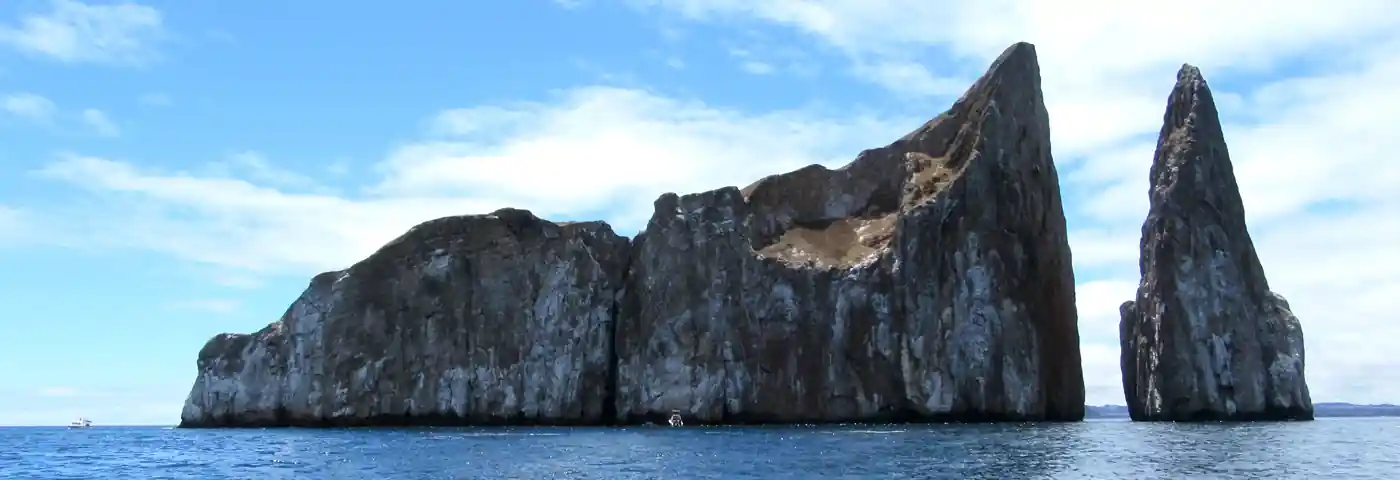
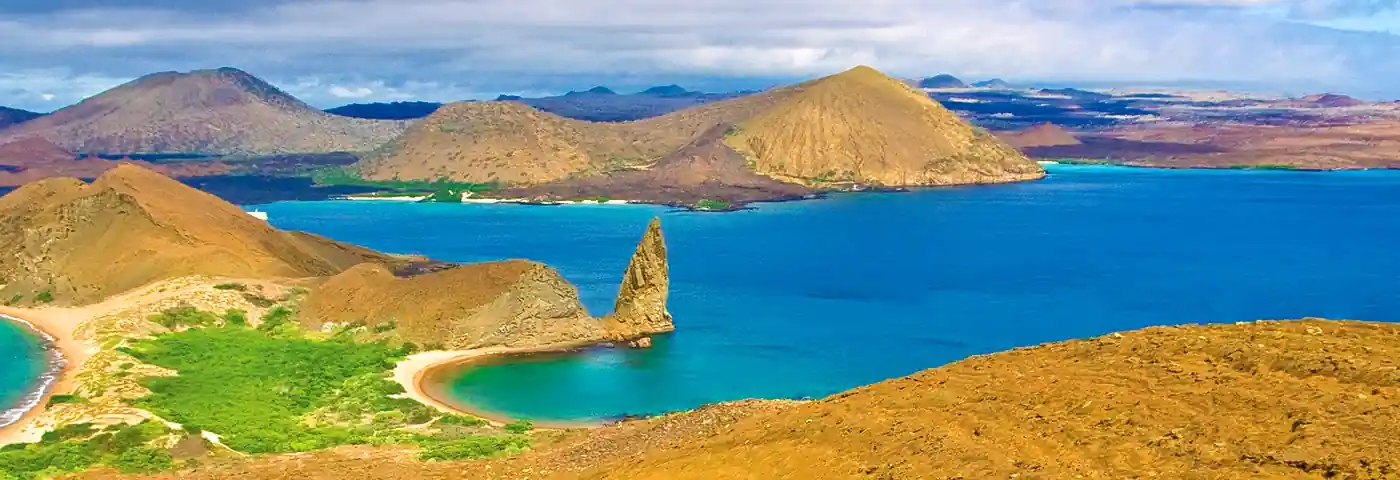
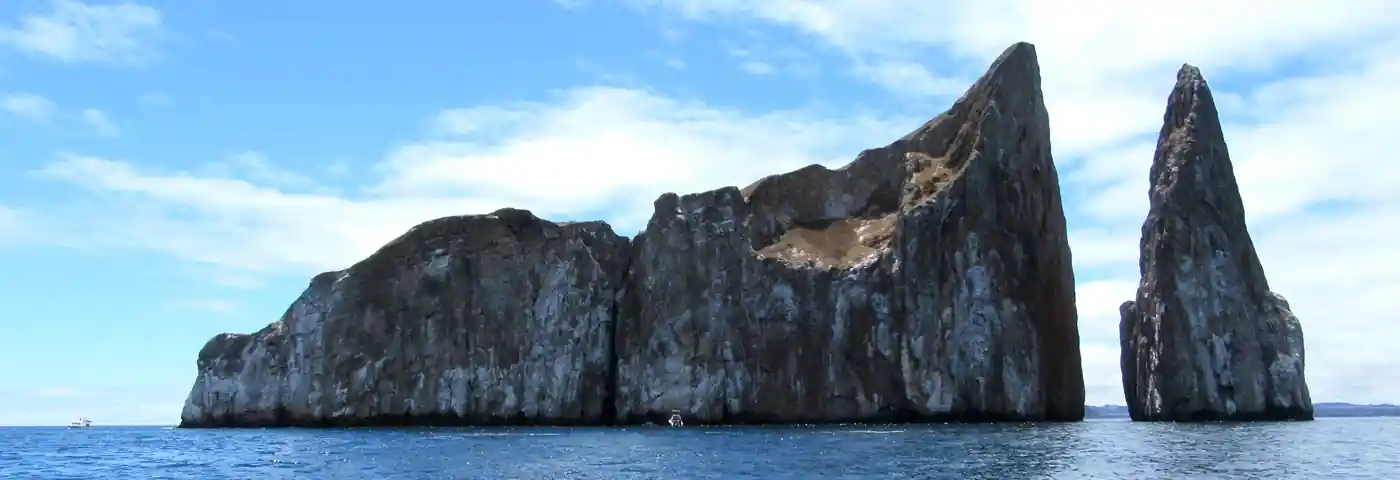
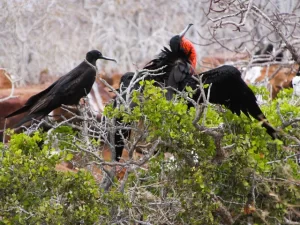
A short, though often hot, uphill path with steps leads from the Interpretation Center to the summit of Frigatebird Hill. Four viewpoints offer views over Puerto Baquerizo Moreno and the bays on both sides of the peninsula. On clear days, you can even see the distant offshore formation of Kicker Rock. These wooded hilltops are one of the few places where magnificent frigatebirds and great frigatebirds form a mixed breeding colony. A viewpoint with another Charles Darwin statue commemorates that the HMS Beagle anchored in the exotic bay below.
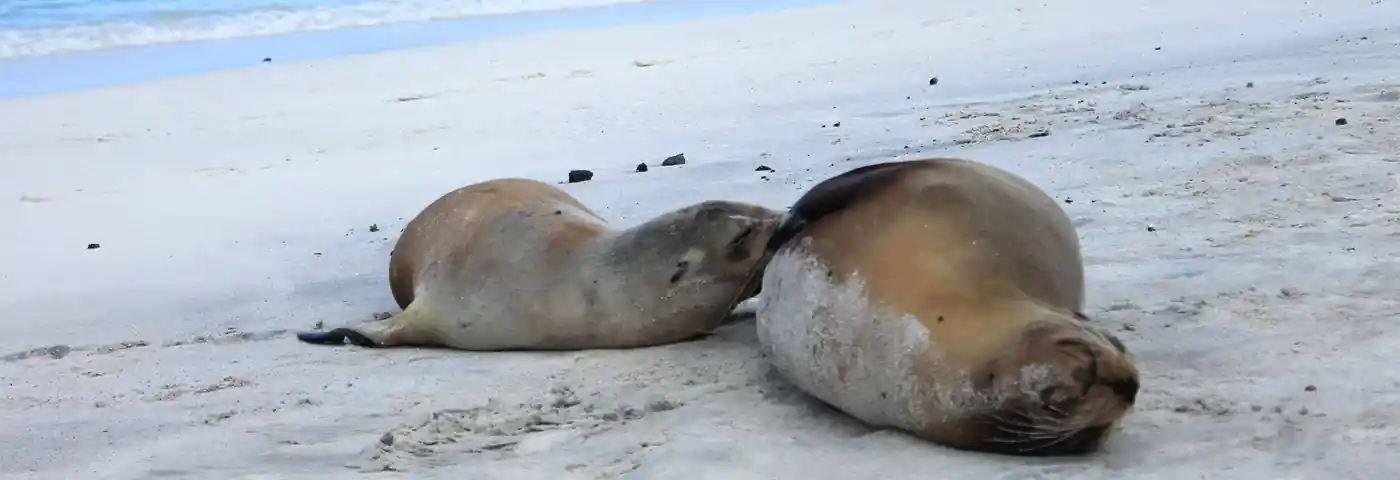
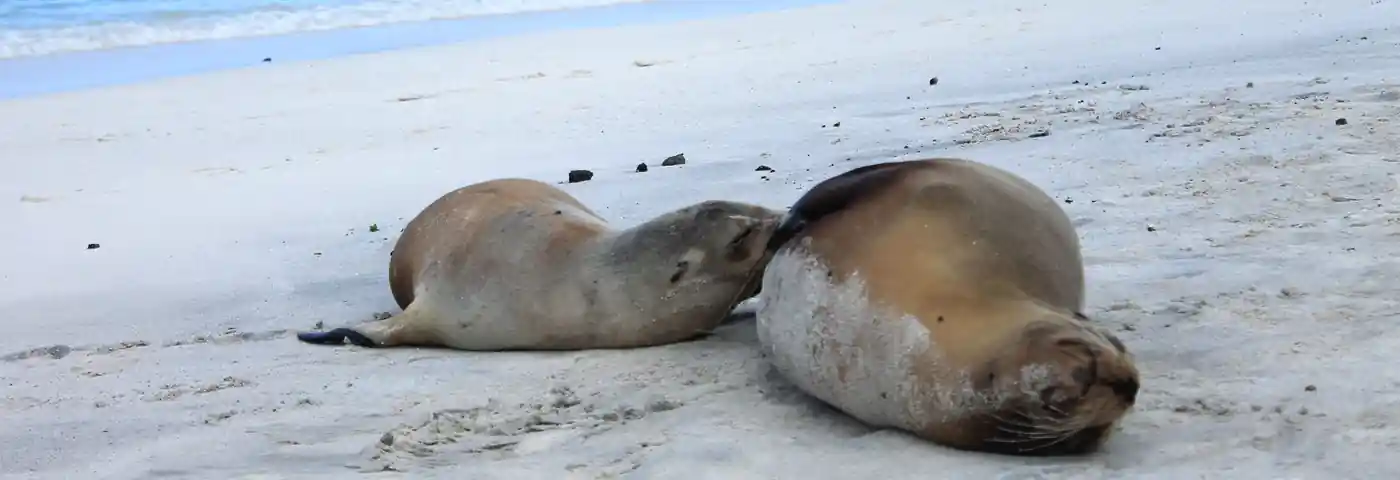
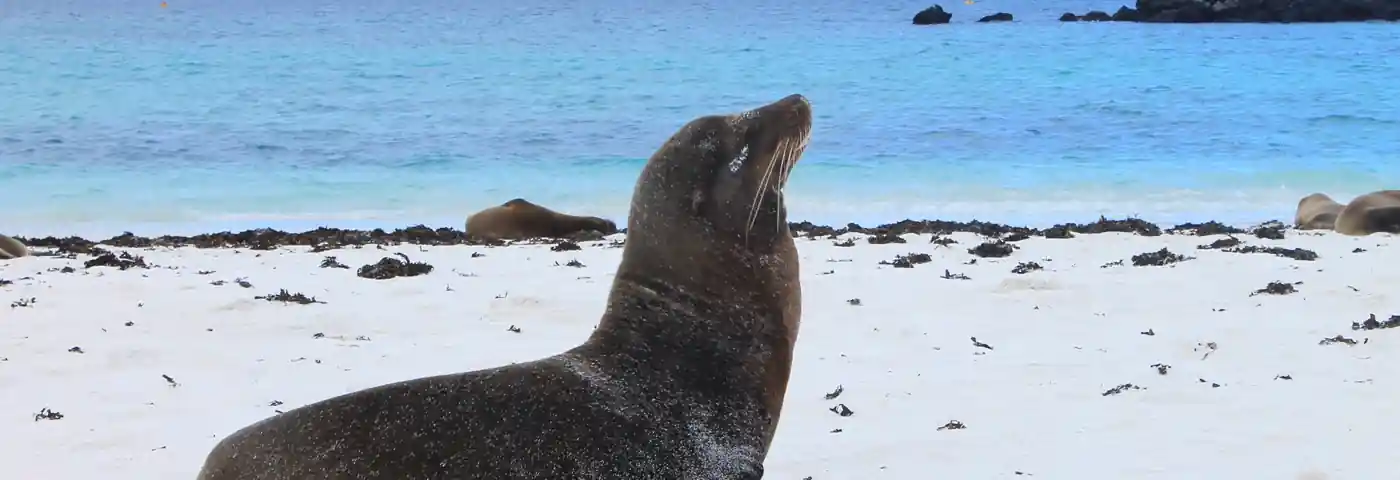
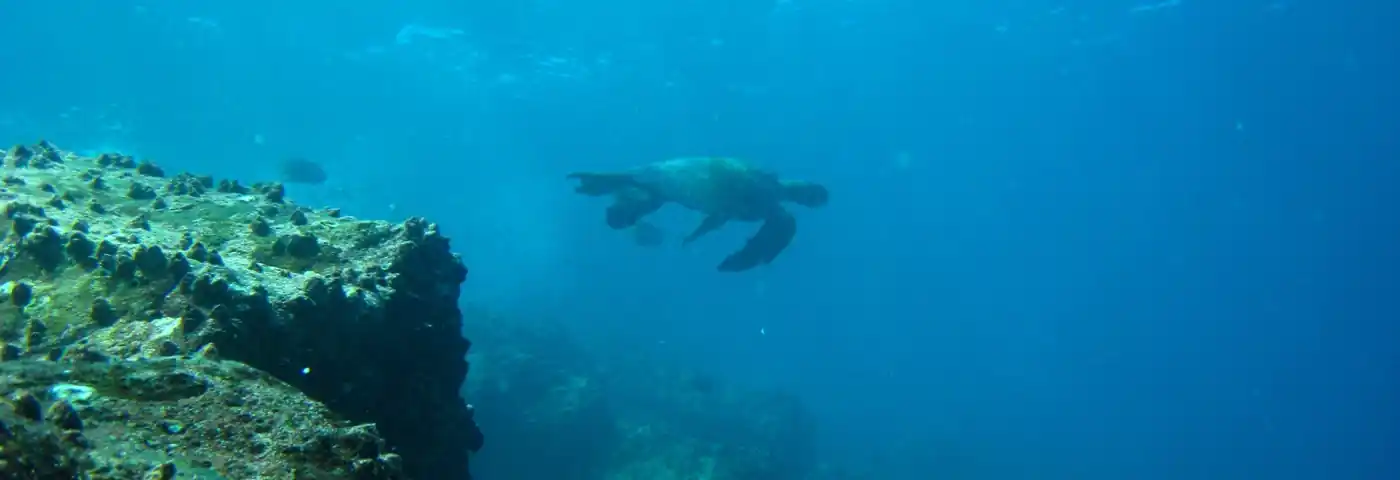
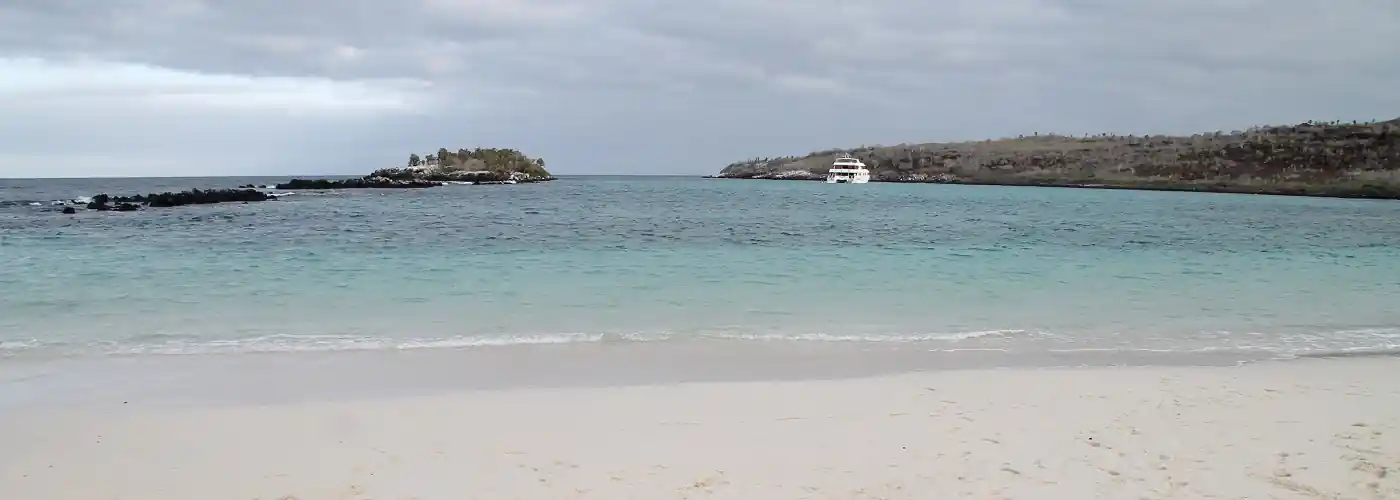
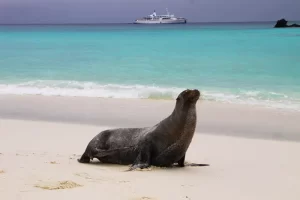 Morning – Gardner Bay: On the northeastern coast of Española Island, Gardner Bay offers a wonderful place to refresh yourself in the turquoise sea and admire the large number of colorful reef fish. Snorkel side by side with green sea turtles or enjoy the proximity of playful Galápagos sea lions. The white sand beach is also an important nesting site for green sea turtles. In the crystal-clear ocean, you may even spot whales.
Afternoon – Suárez Point: This rocky area is home to some of the most impressive and diverse seabirds of the archipelago. The endangered Galápagos albatross returns annually (March–December) to Española Island, allowing visitors to observe its courtship display of whistles and bows (especially in October). Blue-footed and Nazca boobies, swallow-tailed gulls, and red-billed tropicbirds are also found here. Along the southern coast, high cliffs offer spectacular views of soaring birds and seawater shooting upward like fountains through blowholes.
 Morning – Cormorant Point: The peninsula of Cormorant Point forms the northern cape of Floreana, created by a series of small volcanic cones covered with tropical dry forest (palo santo). At the landing beach, you will be welcomed by a small colony of Galápagos sea lions. The green sand at this beach contains a high proportion of glassy olivine crystals blown out from the surrounding tuff cones. The “flour sand” beach on the southern side of the peninsula consists of even whiter coral sand that feels very smooth underfoot. Parrotfish have contributed to its formation by grinding down calcium-rich skeletons of living corals. You may spot schools of stingrays that like to bury themselves in the sandy bottom. During the first months of the year, green sea turtles come ashore to lay their eggs.
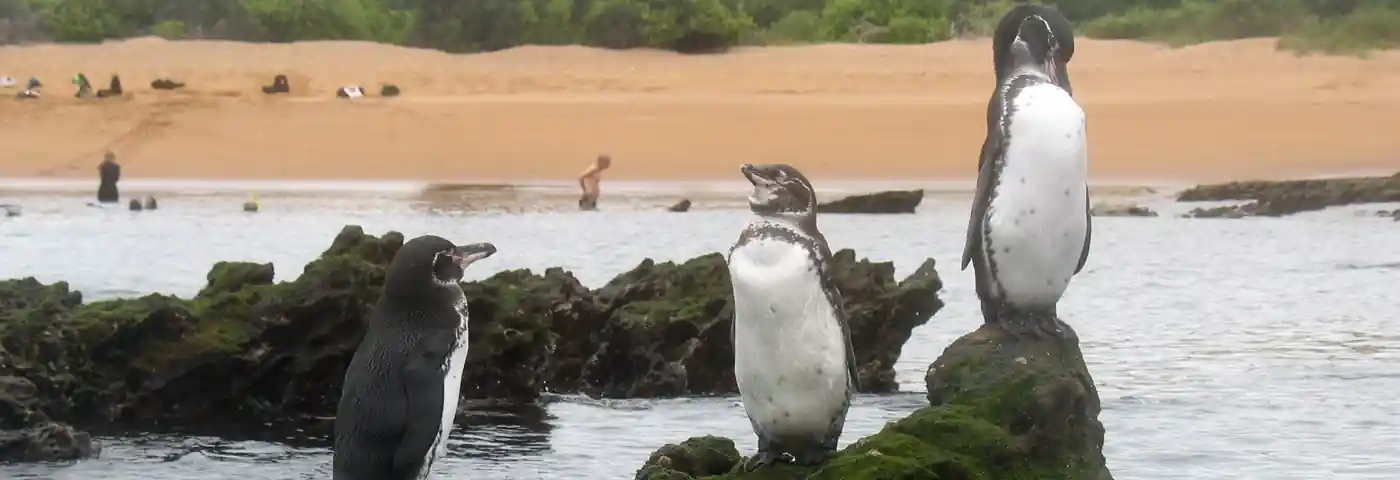
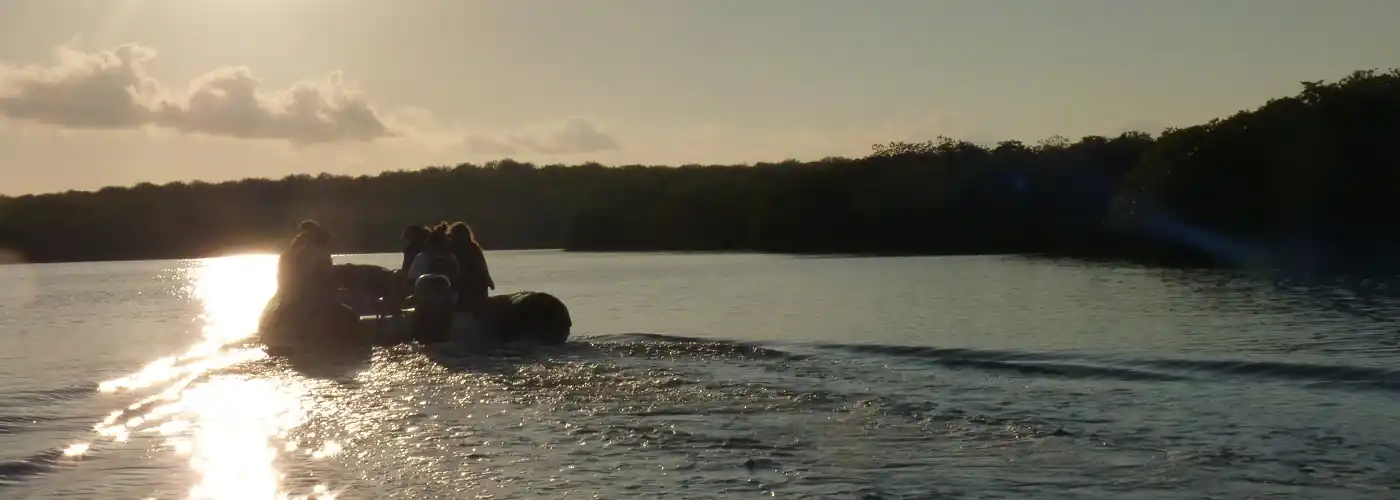
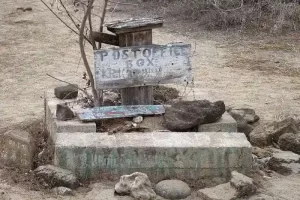
Afternoon – Post Office Bay: In the afternoon, you will travel to Post Office Bay (about 1 hour). Drop your postcards into the historic barrel—one of three nearby visitor sites in the north of Floreana (short detour, wet landing)—and relax. In addition to Galápagos sea lions, sea turtles, and golden cow-nose rays, you may also spot Galápagos penguins here. This is the only place in the southeastern archipelago where penguins live. Explore another submerged crater rim along the coast near Baroness Lookout by dinghy—or at your own pace by kayak. After climbing the small basalt cone, you can enjoy magnificent views.
This viewpoint was the favorite spot of one of Floreana’s first settlers, the eccentric baroness and self-proclaimed “Empress of Galápagos,” Eloisa von Wagner Bosquet, who even built her house just behind it. She and one of her lovers were the first in a series of mysterious disappearances and deaths in the 1930s.
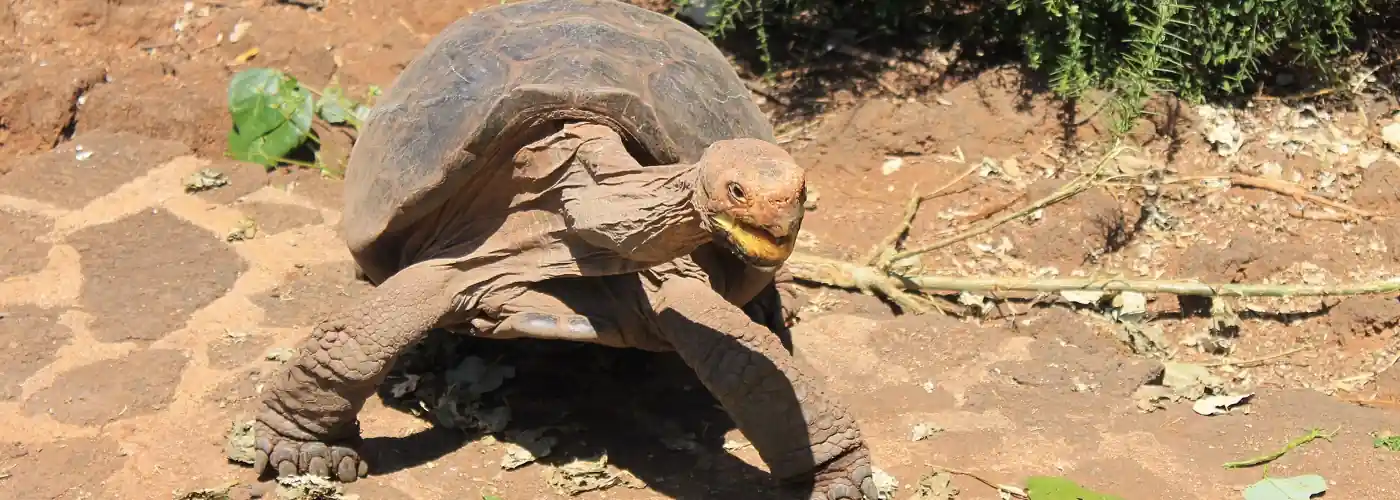
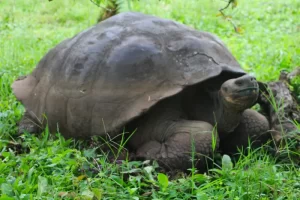 Morning – Charles Darwin Station: After breakfast, dinghies will take you to the tourist dock of Puerto Ayora, from where you will continue to the Charles Darwin Research Station. Biological research and essential conservation work for the unique island group are carried out here. The complex houses the interpretation and information center of the National Park and the Galápagos Marine Reserve. The most memorable part of your visit will likely be the successful breeding center and the encounter with the Galápagos giant tortoises.
Afternoon – Highlands (Santa Cruz): In the highlands of Santa Cruz, you can observe various bird species such as small and large tree finches, ground finches, Galápagos flycatchers, and cattle egrets (often seen standing on the backs of tortoises). During the drive into the island’s protected area, you will see the contrasts of this diverse ecosystem. The road leads from the coast through agricultural land directly into dense humid forests. You can often see Galápagos giant tortoises right on the road or wandering across pastures and through the grass. This place is a paradise for ornithologists, as almost all birds either live on the island or pass through it.
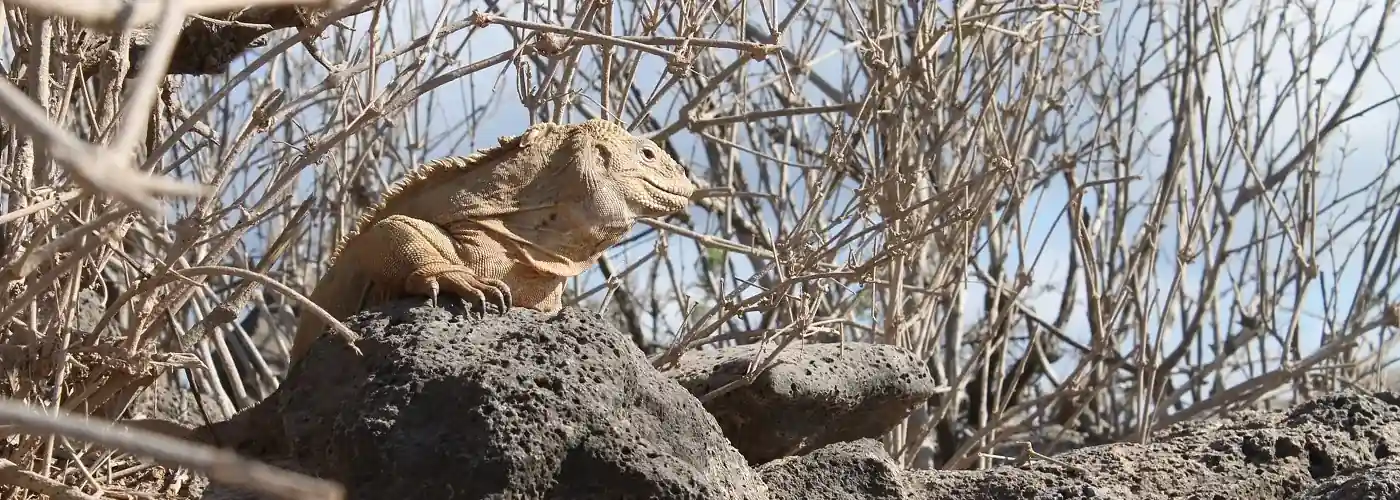
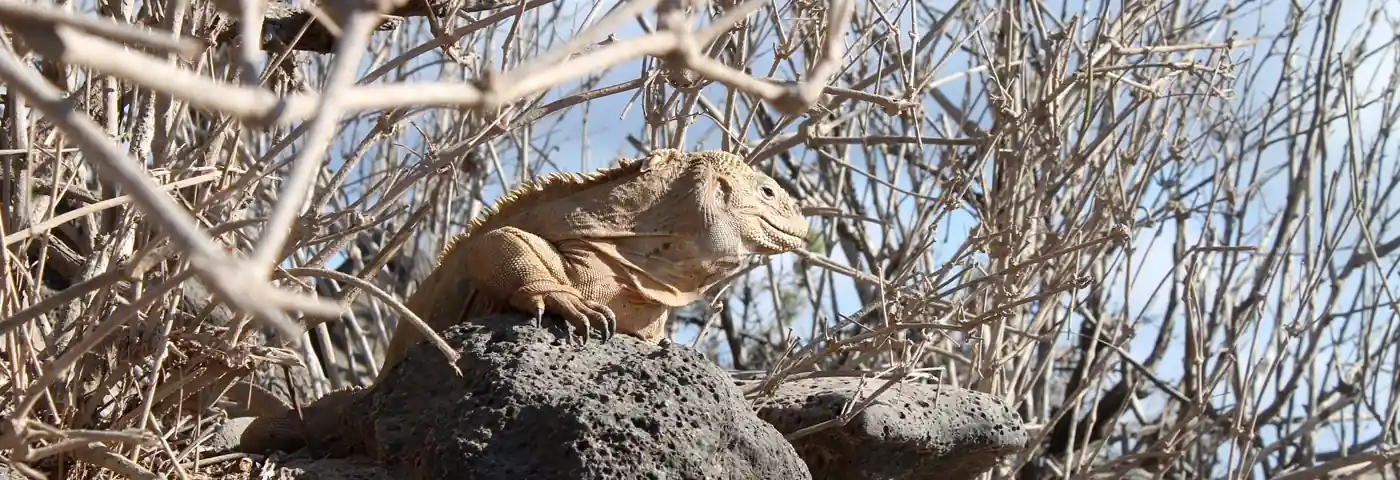
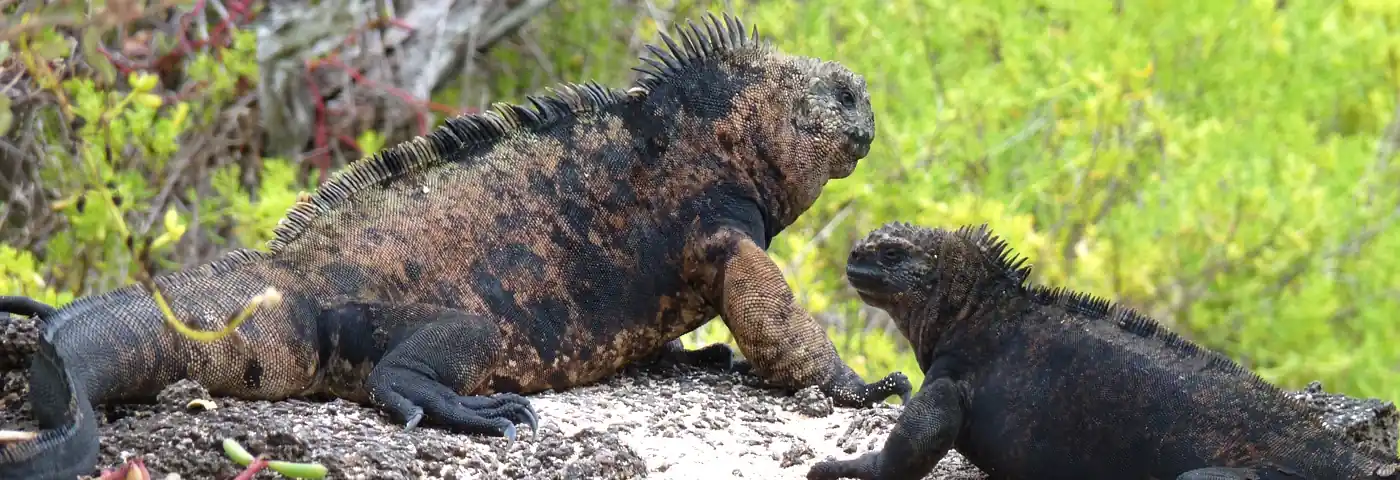
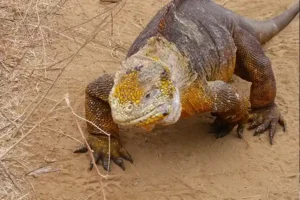 Morning – Dragon Hill: At Dragon Hill, there are two main species that are very likely to be seen during any visit to the Galápagos Islands, although they are not widely distributed across the islands: the Galápagos land iguanas and the American flamingos. You will climb a hill with giant Opuntia cacti, where these “dragons” feed and nest. Although they are quite shy and elusive, you have a fair chance to witness the success of this conservation project with your own eyes.
The short trail crosses the coastal vegetation zone as well as the slightly higher arid zone with endangered tropical dry forest. During the warm and wet season in the first half of the year, everything turns green.
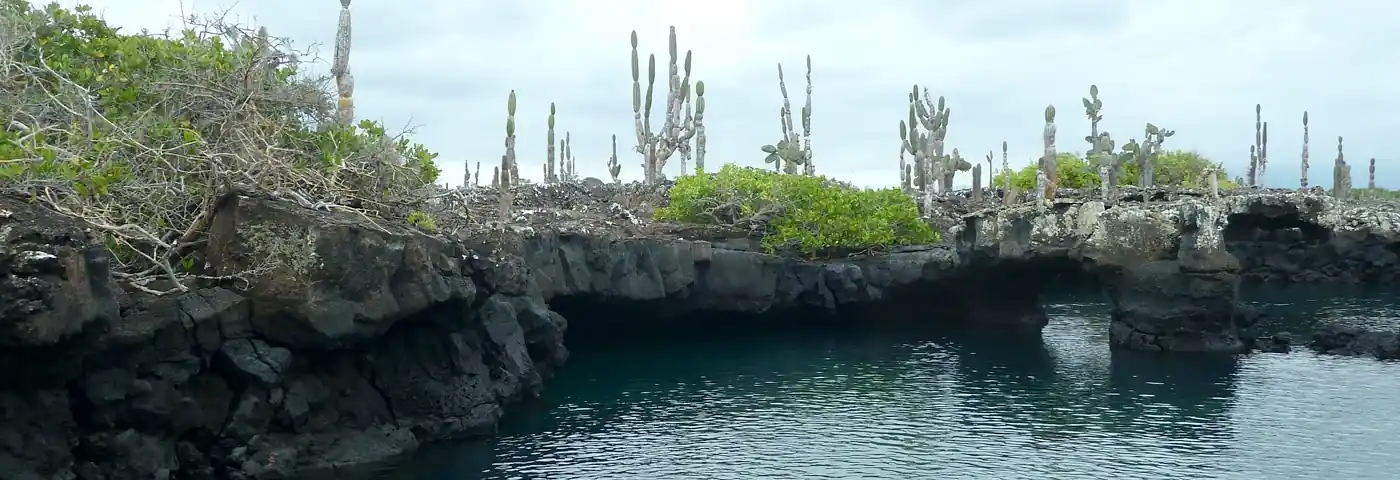
Evergreen giant prickly pear cacti with internal reservoirs have adopted a different survival strategy in this dry climate compared to the deciduous palo santo trees; in the end, both were successful. This is also a very photogenic site, with breathtaking panoramic views over the bay and a fascinating, steep volcanic tuff cone of red lava rising above the area. Dragon Hill is known for its saline lagoons behind the beach; these contain algae and shrimp and seasonally attract American flamingos. Dragon Hill is the best place on Santa Cruz to observe them.
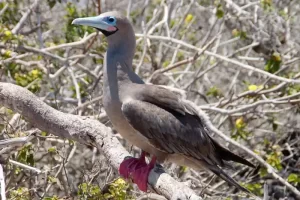 Morning – Prince Philip’s Steps (also known as El Barranco): In the morning, you will sail to Prince Philip’s Steps, one of the two visitor sites on Genovesa Island. Sometimes Galápagos fur seals rest on the rocky ledges. After climbing the steep stone steps, you will take a guided walk where you will see many different birds such as red-footed and blue-footed boobies. Red-footed boobies are found almost exclusively on Genovesa and nest in palo santo trees. The bushes along the seaside edge open up, offering incredible views and a refreshing ocean breeze. As you continue, you will pass a colony of Nazca boobies and eventually reach nesting sites of storm petrels, where, with some luck, you may also observe the short-eared owl hunting.
Afternoon – Darwin Bay: Darwin Bay lies within the submerged caldera of Genovesa. This bay with a beautiful sandy beach holds several surprises as you walk over barren lava formations, past tidal pools and shrubs, and then climb small cliffs at the end. Each species you encounter along the way occupies its own ecological niche. Whimbrels and wandering tattlers forage actively along the surf next to resting Galápagos sea lions. Impressive frigatebirds and red-footed boobies nest in the mangroves, where you can also see songbirds such as yellow warblers, Darwin’s finches, and Galápagos mockingbirds. A special feature is the presence of two subpopulations of cactus finches, which differ only in their song. The sandy beach also offers excellent snorkeling opportunities.
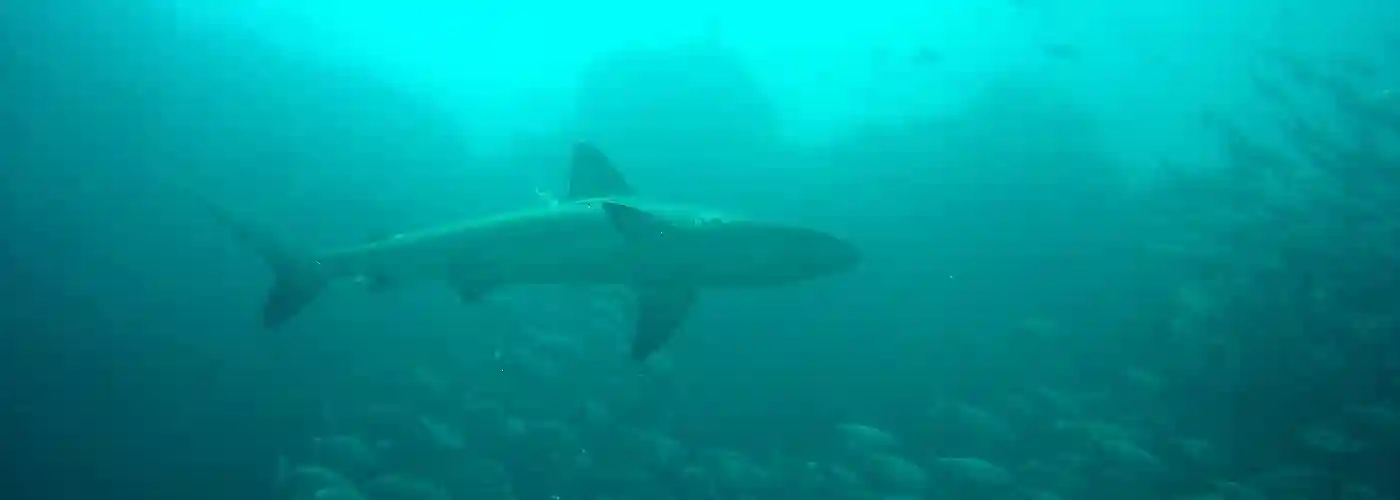
 Morning – Black Turtle Cove (Santa Cruz): This small cove is located on the northern side of Santa Cruz Island and offers a unique setting for exploration. The landscape gives you the feeling of being in the Amazon rainforest rather than by the sea. Discover the calm emerald-green lagoon and the surrounding shallow bays by dinghy. The crystal-clear water allows you to observe groups of whitetip reef sharks, hammerhead sharks, and eagle rays.
After this excursion, you will be transferred to Baltra Airport for your return or onward flight.