
Why Machu Picchu Remains Essential
Let me share something with you: when I walked through the Sun Gate at dawn and watched Machu Picchu emerge from the Andean mists, I understood why this citadel continues to captivate travelers from around the world nearly a century after its rediscovery. I visited Machu Picchu in December, technically the rainy season, but I had the extraordinary fortune of enjoying days of clear skies and perfect light that transformed the experience into something truly magical.
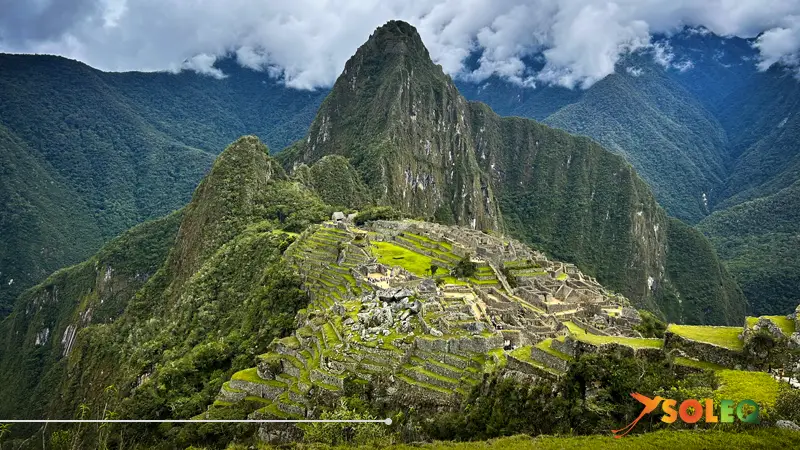
Machu Picchu, the “Lost City of the Incas,” is far more than a collection of spectacular ruins perched at 7,970 feet above sea level. This wonder of the world represents the pinnacle of Inca architectural ingenuity, a sanctuary where spirituality, astronomy, and stone mastery fused to create something that transcends time. Built in the 15th century under the reign of Inca Pachacútec and abandoned during the Spanish conquest, Machu Picchu remained hidden from the Western world until 1911, when Hiram Bingham brought it to international attention.
For travelers seeking transformative experiences in South America, Machu Picchu isn’t simply another destination on the itinerary—it’s the heart of a deeper Andean narrative that connects past and present in a visceral way.
Best Time to Visit: Seasons and Weather
The question of when to visit Machu Picchu has a surprisingly nuanced answer. The dry season, from May to September, offers generally clear skies and lower probability of rain, with June, July, and August being the months of highest tourist influx. During these months, Machu Picchu receives up to 5,000 daily visitors, which can impact the tranquil experience many travelers seek.
However, my December experience proved that the rainy season (November to March) can hold pleasant surprises. Although statistically more likely to encounter precipitation, it also means fewer crowds, incredibly green landscapes, and the possibility of having entire sectors almost to yourself. I enjoyed brilliant sunny days that allowed me to experience the citadel with a fraction of the high-season visitors. Mornings tend to be clearest even during the wet season.
The transition months, April and October, offer an interesting balance: reasonable probability of good weather with considerably fewer visitors than the peak dry season. For travelers who prioritize the contemplative experience over absolute sunshine guarantees, these months can be ideal.
How to Get There from Abroad
The journey to Machu Picchu typically begins with an international flight to Lima, South America’s gastronomic capital. From Lima, a domestic flight of approximately 1 hour and 20 minutes will take you to Cusco, the ancient capital of the Inca Empire located at 11,150 feet elevation. This significant altitude requires respect and planning.
Acclimatization in Cusco is absolutely fundamental and shouldn’t be rushed. I strongly recommend spending at least two to three days in Cusco before visiting Machu Picchu or undertaking any high-altitude trekking. During this adaptation period, explore Cusco’s treasures: the Plaza de Armas, Sacsayhuamán, the San Blas neighborhood. Walk slowly, hydrate constantly, avoid alcohol and heavy meals, and consider coca tea, a traditional remedy that genuinely helps with altitude adaptation.
Transportation Options: Train vs Trekking
There are fundamentally two ways to reach Machu Picchu: by train and via trekking routes, each offering completely different experiences.
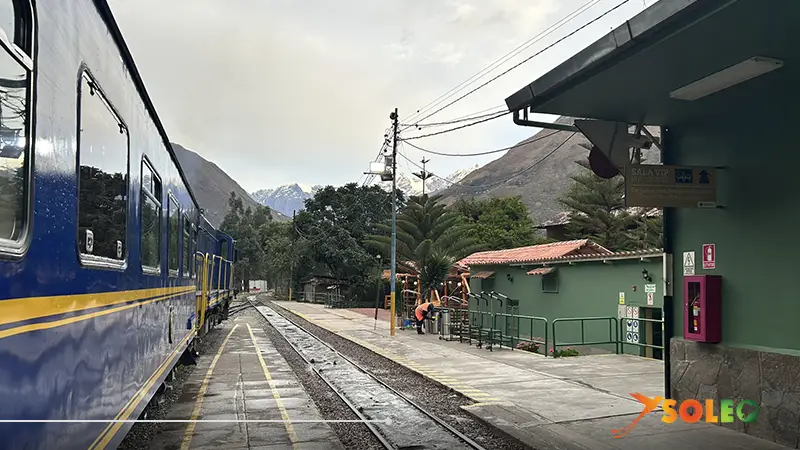
The train route departs from Ollantaytambo or Poroy (near Cusco) to Aguas Calientes, Machu Picchu’s base town. Railway services vary from comfortable options to truly luxurious experiences like the Belmond Hiram Bingham, which transforms the transfer into a gastronomic and cultural experience in itself. The train journey winds through the Sacred Valley, offering spectacular views of the Urubamba River and surrounding mountains.
Trekking routes offer deeper immersion in Andean landscapes and secondary archaeological sites. The legendary Classic Inca Trail (4 days/3 nights) follows ancient Inca paths, passing through Wiñay Wayna and other archaeological complexes before entering Machu Picchu through the iconic Sun Gate. Permits are limited (500 people daily including porters and guides) and must be reserved months in advance.
Equally spectacular alternatives include the Salkantay Trek, which traverses ecosystems from glaciers to high jungle, and the Lares Trek, which emphasizes encounters with traditional Quechua communities. These routes offer dramatic landscapes without the permit restrictions of the Inca Trail.
Integration into Extended Peru Itineraries
Machu Picchu reaches its maximum potential when integrated into well-designed 15-20 day itineraries exploring Peru’s complete diversity. A typical luxury route might begin in Lima, exploring its world-class gastronomic scene and exceptional archaeological museums like the Larco Museum.
From Lima, the journey continues to Arequipa, the “White City,” to experience the Colca Canyon and spot Andean condors. Then, Cusco and the Sacred Valley offer acclimatization days combined with deep cultural experiences: traditional markets in Pisac, the circular agricultural terraces of Moray, the salt pans of Maras. Machu Picchu represents the archaeological climax before continuing to the Peruvian Amazon or the mystical Lake Titicaca.
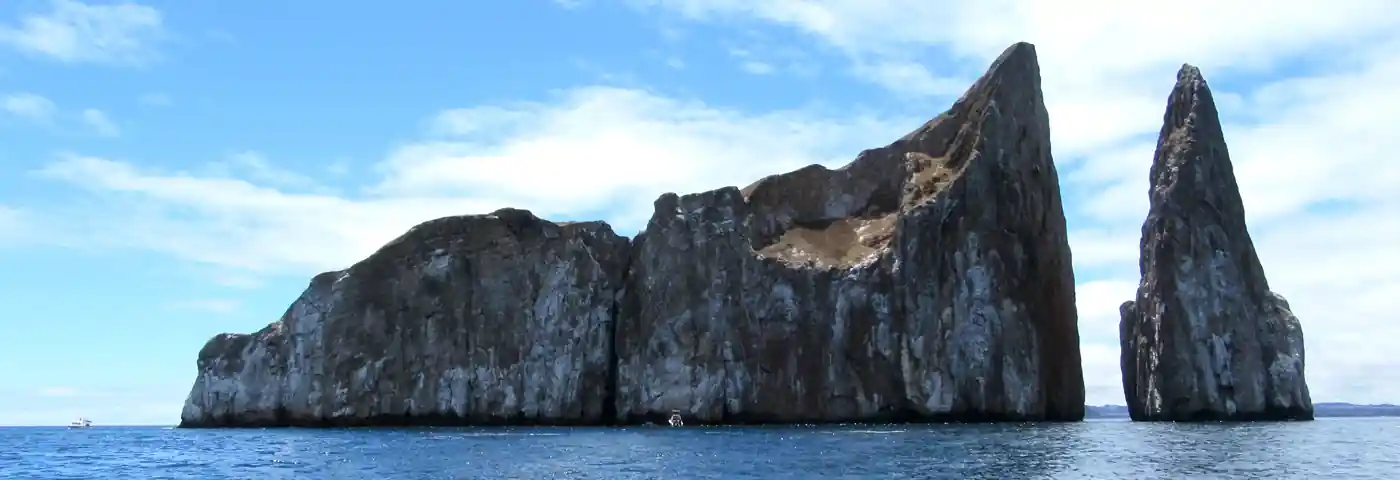
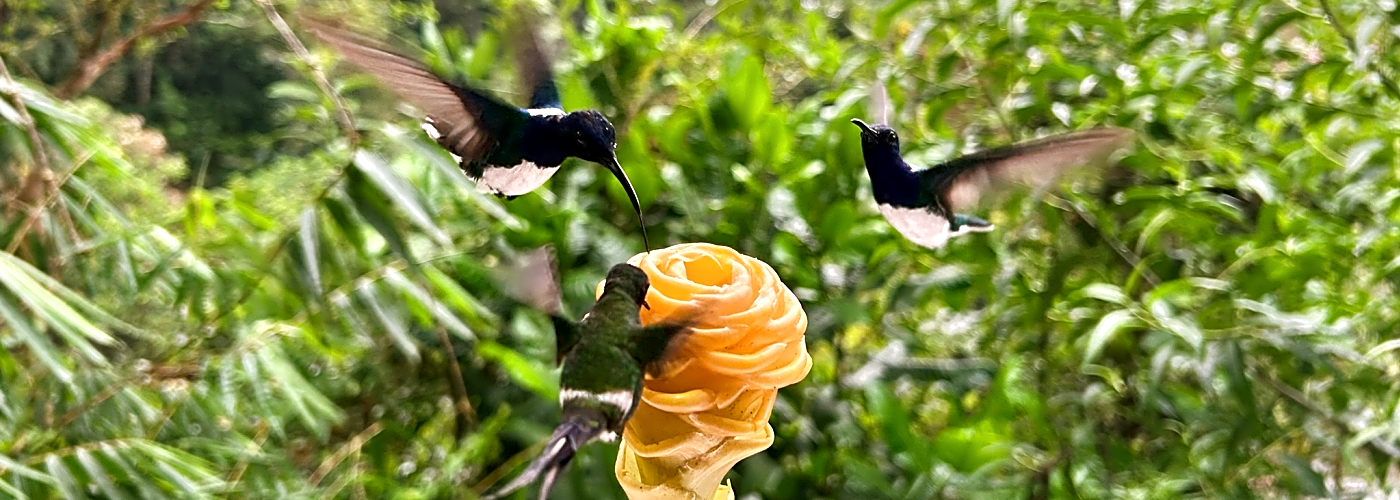
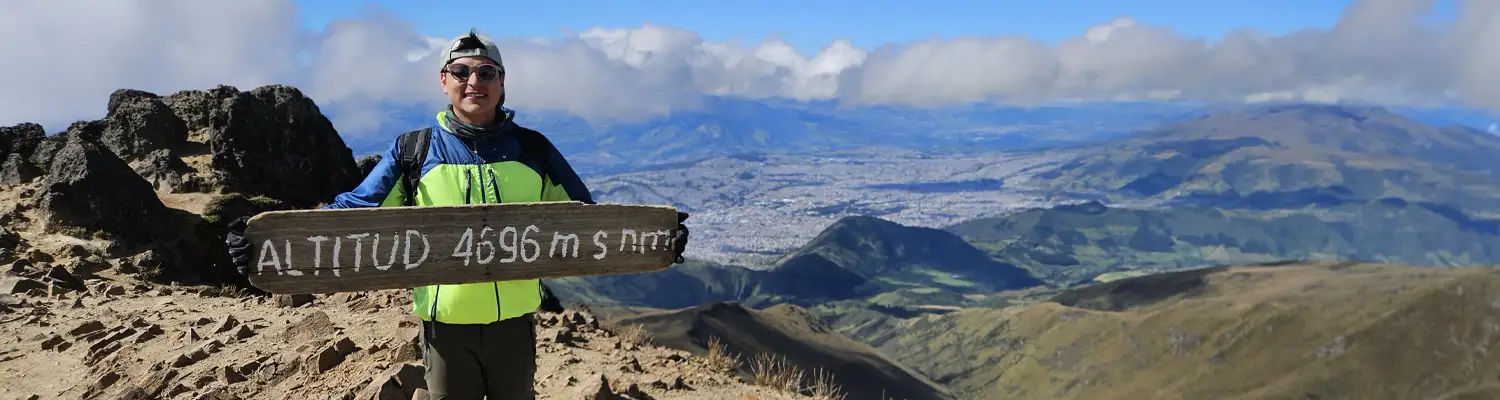
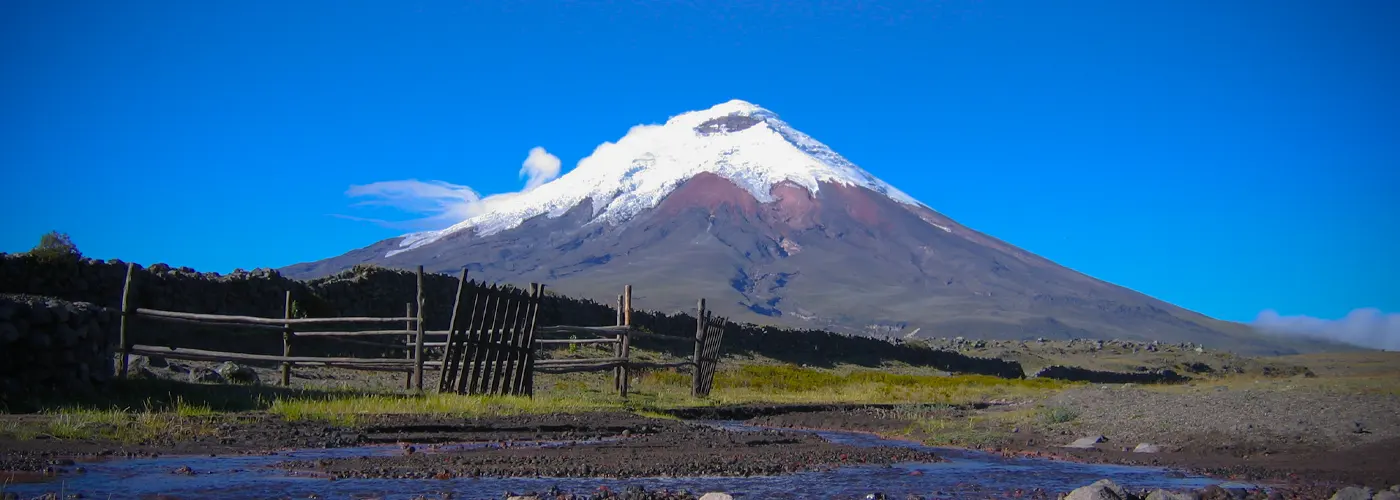
For travelers seeking multi-country experiences, Machu Picchu integrates exceptionally into circuits combining Peru with Bolivia (crossing the Titicaca to La Paz and the Salar de Uyuni) or with extensions to Ecuador, exploring Quito, the Avenue of the Volcanoes, and culminating in the Galápagos Islands. These itineraries create coherent narratives connecting South America’s most emblematic ecosystems and cultures.
What to See Inside the Inca Citadel
Within the citadel, certain sectors deserve special attention. The Intihuatana, the “stone where the sun is tied,” functioned as a solar clock and astronomical observatory, demonstrating the sophisticated Inca knowledge of celestial cycles. The Temple of the Sun, with its curved window perfectly aligned for the winter solstice, exemplifies Inca architectural precision.
The Main Plaza divides the urban and agricultural sectors, while the Temple of the Three Windows offers spectacular valley views and represents fundamental cosmological concepts of the Andean world: sky, earth, and underworld.
For adventurers, Huayna Picchu, the emblematic peak appearing in all iconic photographs, offers a steep 45-60 minute hike with incomparable aerial views of the citadel. Permits are limited (200 people daily) and must be acquired in advance. The alternative, Machu Picchu Mountain, is less vertical but equally spectacular.
Sustainable and Responsible Tourism
Machu Picchu faces significant conservation challenges due to tourist pressure. As conscious travelers, we have the responsibility to minimize our impact while maximizing benefit for local communities. This means strictly respecting marked routes, never touching stone structures (skin oils gradually degrade surfaces), and carrying absolutely all our trash, including organic waste.
Choosing services operated by local communities, staying in establishments with environmental certifications, and hiring certified local guides are concrete ways your visit can generate positive impact. Responsible tourism at Machu Picchu doesn’t diminish the experience; it profoundly enriches it by connecting us authentically with the place and its people.
Practical Tips for Your Visit
The altitude at Machu Picchu (7,970 feet) is considerably lower than Cusco, which means that after acclimatizing in Cusco, most visitors feel fine at the citadel. However, if you plan to climb Huayna Picchu or Machu Picchu Mountain, maintain a leisurely pace and breathe deeply.
Bring layers: mornings can be cool, but the high-altitude sun is intense at midday. Sun protection (SPF 50+), hat, and insect repellent are essential. Trekking poles are prohibited within the site but allowed on approach routes. Carry sufficient water and snacks, although eating is not permitted within the main ruins.
Machu Picchu tickets must be purchased in advance and have specific entry times. New regulations limit stays to approximately 4 hours with defined circuits to manage visitor flow. Always hire a certified guide: the experience is exponentially enriched when someone with deep knowledge reveals the stories that stones alone cannot tell.
Aguas Calientes and Surroundings
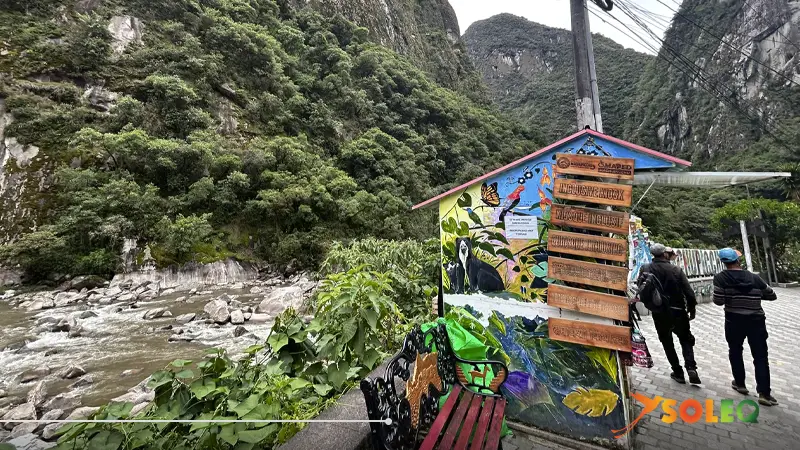
Aguas Calientes, officially called Machu Picchu Pueblo, is the operational base for visiting the citadel. This valley-nestled town offers everything from basic accommodations to the luxurious Belmond Sanctuary Lodge, the only hotel located literally at Machu Picchu’s gates.
The hot springs that give the town its name offer a relaxing way to end the day after exploring the ruins. Although not luxurious, the natural hot waters provide genuine relief for tired muscles. The Mandor Gardens, a 45-minute walk from Aguas Calientes, offer a tranquil alternative with trails through cloud forest to a spectacular waterfall.
Frequently Asked Questions About Visiting
How many days do I need to visit Machu Picchu?
One full day at the site is the minimum to properly appreciate Machu Picchu. However, an ideal itinerary includes 7-10 days exploring Cusco, the Sacred Valley, and Machu Picchu, allowing appropriate acclimatization and deeper experiences. For international travelers, we recommend 15-20 day itineraries integrating Machu Picchu with other Peru highlights like Vinicunca Rainbow Mountain, Laguna Humantay, the Amazon, or Lake Titicaca.
Is it necessary to book far in advance?
Absolutely. Machu Picchu tickets must be purchased weeks in advance, especially for high season (June-August). If planning the Inca Trail, permits sell out 4-6 months ahead. For premium experiences and specific dates, planning 6-9 months allows securing the best hotel, train, and guide options.
Can I visit Machu Picchu if I have physical limitations?
Machu Picchu is accessible for most fitness levels. The site has stairs and uneven terrain but doesn’t require extreme athletic ability. The additional mountains (Huayna Picchu, Machu Picchu Mountain) do demand greater physical effort. Buses climb from Aguas Calientes to the entrance, eliminating the steep approximately 90-minute walk. Consult your doctor if you have specific concerns about altitude or mobility.
What happens if it rains during my visit?
Machu Picchu operates in rain (except severe electrical storms for safety reasons). In fact, rain adds dramatic atmosphere with mists enveloping the ruins. Bring a waterproof poncho and cover your electronic equipment. My December experience included some showers that, far from ruining the visit, created unique photographic moments when clouds opened revealing the citadel.
Can I visit independently or do I need a tour?
Technically it can be visited independently by organizing transport, tickets, and guide separately. However, a specialized operator like Solecu Tours eliminates logistical stress, secures permits for desired dates, provides certified expert guides, and crucially integrates Machu Picchu into a broader Peru narrative that maximizes the value of your time and investment. For international visitors with limited time, the peace of mind of professional organization is invaluable.
A Transformative Experience in the Andes
Machu Picchu doesn’t disappoint. Even with expectations elevated by decades of iconic photographs, the experience of being physically in this sacred place, feeling the energy emanating from millennial stones and contemplating Inca architectural genius, surpasses any image. My December visit, against the odds of rainy season, gifted me days of perfect clarity that allowed me to connect deeply with this extraordinary place.
Strategically integrated into a luxury 15-20 day Peru itinerary, Machu Picchu represents the archaeological heart of a broader experience encompassing exceptional gastronomy, Amazonian biodiversity, living Quechua cultures, and landscapes ranging from desert coasts to Andean glaciers. The magic of Machu Picchu is amplified when understood as part of a larger narrative of civilization, nature, and Andean spirituality.
Ready to experience the magic of Machu Picchu with the peace of mind of expert planning?
At Solecu Tours, we design exclusive and personalized itineraries that integrate Machu Picchu into comprehensive 15-20 day Peru and South America experiences, with impeccable logistics, specialized certified guides, and the commitment to sustainable tourism that defines us. Since 2006, we’ve helped thousands of travelers discover Latin America’s treasures with the confidence that only 20 years of experience can provide. Contact us today and allow us to create your dream Peru journey, where every detail is carefully designed so you only need to focus on absorbing every unforgettable moment of this wonder of the world.