When Silence Speaks Louder Than Fame
There was something different in the air that December morning when I left behind the bustle of Cusco. Just five miles from the Plaza de Armas, where mass tours head toward the Sacred Valley and Machu Picchu, three archaeological sites wait in relative silence. No crowds, no pushy vendors, no pressure to capture the perfect Instagram shot.
As I climbed toward Tambomachay at dawn, with the imperial city disappearing in the valley behind me, I understood something fundamental: the smaller places often hold the biggest secrets. This circuit of Qenqo, Puka Pukara, and Tambomachay doesn’t have the worldwide fame of Machu Picchu or appear on travel magazine covers. Yet it contains perhaps the purest essence of Inca thinking: the perfect fusion of stone, water, and cosmology.
Let me share why these “minor” sites ended up transforming my understanding of the Inca Empire more than any famous citadel.
The Sacred Circuit: Three Forgotten Gems
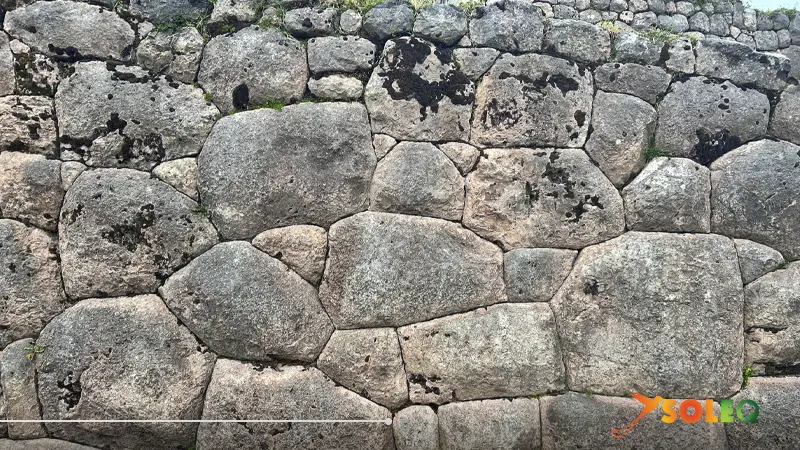
The archaeological circuit of Qenqo, Puka Pukara, and Tambomachay stretches between 11,800 and 12,100 feet above sea level, along the road connecting Cusco to Pisac. These three complexes represent completely different functions in the sophisticated Inca system: ceremonial, military, and cosmological.
What makes this circuit unique is precisely its proximity to Cusco combined with its relative tranquility. Unlike Sacsayhuamán, which receives hundreds of daily visitors, here you can experience moments of contemplative solitude. During my visit, I spent almost thirty minutes completely alone in the underground chambers of Qenqo, feeling the weight of ancestral silence without the distraction of tour groups.
Beyond the Stones: Why This Circuit Was Sacred
To truly understand Qenqo, Puka Pukara, and Tambomachay, we need to abandon our modern mindset of “tourist sites” and enter Inca cosmovision. These places weren’t simply functional constructions. Every stone placed, every channel carved, every angle calculated responded to a profound understanding of the cosmos, the Pachamama, and natural cycles.
The Incas saw the universe as a living organism where everything was interconnected. Mountains weren’t simple geological formations but apus, protective spirits with personality and power. Water wasn’t a resource but the blood of the earth, a purifying element connecting the world above with the world below. Rocks weren’t building materials but huacas, sacred beings with their own consciousness.
Therefore, when we explore this circuit, we’re not visiting “tourist ruins.” We’re stepping on space where the material and spiritual merged without distinction, where every ceremony, every ritual, every offering established dialogue between humans and cosmos.
Qenqo: The Ceremonial Labyrinth Carved in Living Rock
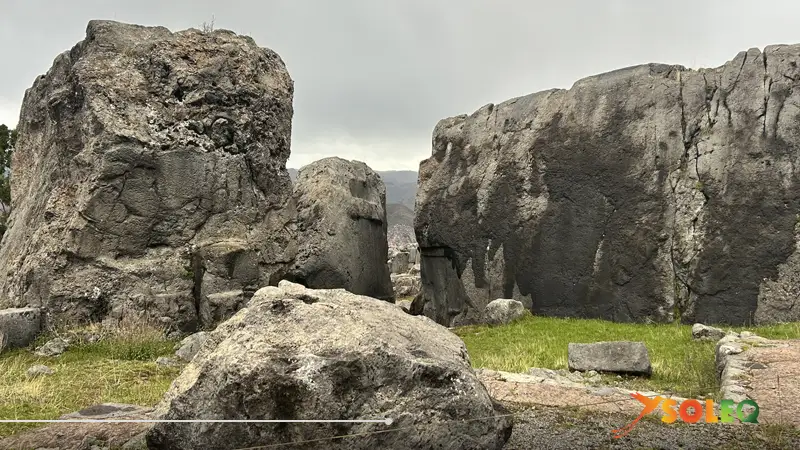
My first stop was Qenqo, whose name in Quechua means “zigzag” or “labyrinth.” Viewed from outside, this massive limestone rock over twenty feet tall looks like a simple natural outcrop. But the Incas saw something more: a perfect huaca for carving an underground ceremonial complex.
I descended through the narrow entrance into the interior chambers. The temperature dropped immediately. Light from outside barely filtered through, creating shadow plays that transformed the carved walls into almost living shapes. Here, in these underground chambers, Inca priests performed ceremonies linked to death, mummification, and the transit to the underworld.
What impacted me most about Qenqo wasn’t the dimensions but the surgical precision with which they carved the rock. Perfectly leveled altars emerged from the rocky floor. Sinuous channels serpentined across the surface, designed for chicha to flow during ceremonies, creating patterns whose interpretation determined omens. Trapezoidal niches perforated the walls where mummies of nobles or priests probably rested.
At the top of the rock, a semicircular amphitheater with nineteen niches faces east. I sat there at dawn on the second day, watching how the first sun rays specifically illuminated certain niches while others remained in shadow. It wasn’t coincidence. It was applied astronomy, sacred geometry, engineering in service of cosmology.
Puka Pukara: The Red Fortress That Was Never Only Military
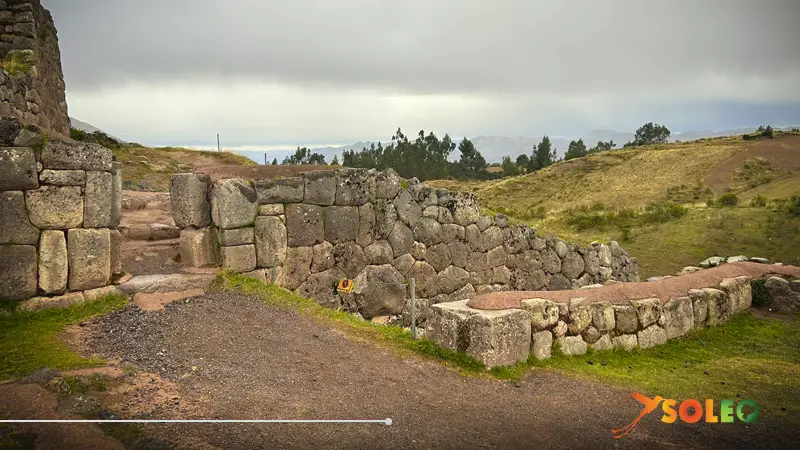
A mile and a quarter further up the road, Puka Pukara emerges from the landscape with its reddish walls that give it its name. “Red Fortress” in Quechua, though modern archaeologists debate whether it really fulfilled exclusively military functions or was rather a tambo, an administrative and rest center for those traveling between Cusco and the Antisuyo.
I climbed up the stepped terraces, feeling how the altitude began to weigh on my legs. At 12,070 feet, every step requires conscious breathing. But the reward at the top justifies the effort: panoramic views of the entire valley, with Cusco gleaming in the background and the snow-capped Ausangate mountains on the distant horizon.
Puka Pukara’s architecture differs notably from Qenqo. Here stepped defensive walls predominate, interior plazas connected by narrow passages, rectangular enclosures suggesting storage or rooms. However, I also found ceremonial elements: carved water fountains, surprisingly sophisticated irrigation channels for a supposedly military post, architectural orientations that respond to astronomical rather than defensive logic.
This reinforces something I learned during my time in Peru: the Incas never built with a single purpose. A tambo was simultaneously a control point, ceremonial center, astronomical observatory, and symbol of imperial power. The Western separation between “military,” “religious,” or “administrative” simply didn’t exist in Inca thinking.
Tambomachay: Where Water Has Sung for Six Centuries
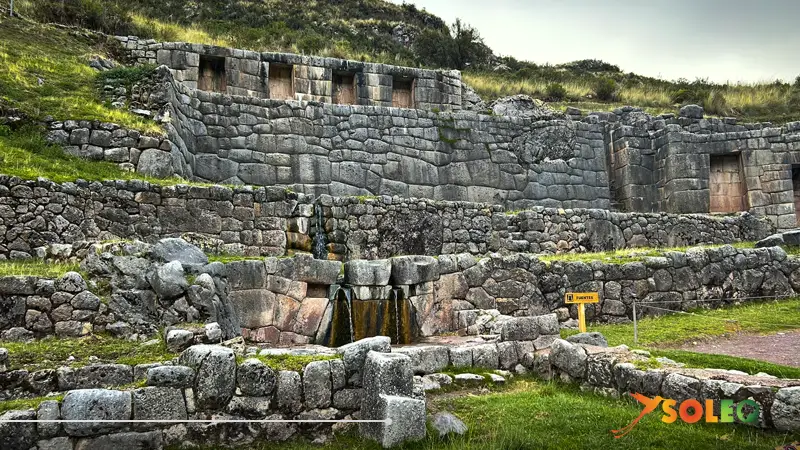
Just a third of a mile from Puka Pukara, Tambomachay represents perhaps the maximum expression of Inca hydraulic engineering applied to spirituality. Known as “The Inca’s Bath” or “Temple of Water,” this complex of fountains, aqueducts, and ceremonial channels flows with crystalline water that springs from underground sources.
I arrived at Tambomachay at noon, when the Andean sun directly illuminated the water cascades. The sound was hypnotic. Multiple channels carved in stone divide the flow into perfectly balanced currents that fall in synchronized cascades. Modern hydraulic engineers who have studied Tambomachay remain amazed: after six centuries, the system functions with millimetric precision, distributing water in exact proportions without pumps, without meters, without modern technology.
For the Incas, water wasn’t simply H2O. It was mayu, a sacred element that purified body and spirit, connected the world above with the world below, allowed communication with the Pachamama. Tambomachay’s fountains probably served for purification rituals before important ceremonies, ceremonial baths for Cusco nobility, and liquid offerings to surrounding apus.
I knelt beside one of the main fountains. The water was freezing, directly from the mountains’ depths. I drank from it, as locals do, feeling how the cold expanded from my stomach. According to tradition, whoever drinks from Tambomachay’s fountains ensures their return to Cusco. I don’t know if it’s true, but I know these waters carry the taste of something much older than tourism.
Authentic Experiences Beyond the Ruins
What distinguishes visiting this circuit with operators like Soleq Travel from a standard tourist excursion is access to experiences that connect past and present. During my tour, I had the privilege of sharing coca tea with Don Hilario, a local guardian of Tambomachay who has spent thirty years working on the site’s preservation.
Don Hilario didn’t just explain the architecture. He told me legends transmitted orally for generations about spirits that protect the fountains, about nighttime ceremonies that some Andean priests still perform on specific dates in the Inca calendar, about how water currents subtly change before earthquakes, something the village elders know how to read.
These conversations don’t appear in any tourist brochure. They can’t be booked online. But it’s precisely these authentic encounters that transform an archaeological visit into a profound cultural experience. At Soleq Travel, our certified guides facilitate these encounters, creating genuine bridges between travelers and local communities that keep Andean traditions alive.
Practical Information: How to Get There and Organize Your Visit
The circuit is accessible from Cusco through several options. Colectivos (shared minibuses) toward Pisac pass by all three sites, costing approximately 50-80 cents per ride. However, this option involves waiting and coordination between buses. Taxis offer greater comfort, with rates of $15-20 for touring all three sites with waiting time included.
Nevertheless, the most enriching option is hiring a guided tour that provides historical, archaeological, and cosmological context that the stones alone cannot communicate. A specialized guide transforms walls into stories, channels into cosmology, stones into philosophy. The difference between seeing Qenqo alone and understanding it with an expert is abysmal.
The Cusco Tourist Ticket covers all three sites. The partial ticket (circuit I) costs about $18 for foreigners and is valid for one day, also including Sacsayhuamán. Visiting hours are 7:00 AM to 6:00 PM, though I recommend arriving early or at sunset to avoid the peak hours of group tours between 10:00 AM and 3:00 PM.
As for logical order, I suggest starting with Qenqo (closest to Cusco), then Puka Pukara, finishing at Tambomachay. This sequence allows gradual acclimatization to higher altitude and ending at the most contemplative and beautiful site at the tour’s end.
Essential Tips for Your Visit
Altitude is a critical factor many travelers underestimate. These sites are located between 11,800-12,100 feet, altitude sufficient to provoke altitude sickness in non-acclimatized people. Dedicate at least two full days in Cusco before visiting the circuit. Walk slowly, hydrate constantly, avoid alcohol the first 48 hours, and consider coca tea as an ally against altitude sickness.
Regarding clothing, Cusco mornings are cold even in dry season. Wear layers: thermal shirt, fleece, and windbreaker. After noon, the Andean sun hits hard due to altitude, so high-factor sunscreen, hat, and sunglasses are essential. Comfortable footwear with good grip is crucial, especially for Qenqo’s irregular surfaces and Puka Pukara’s stairs.
The Best Season to Discover the Circuit
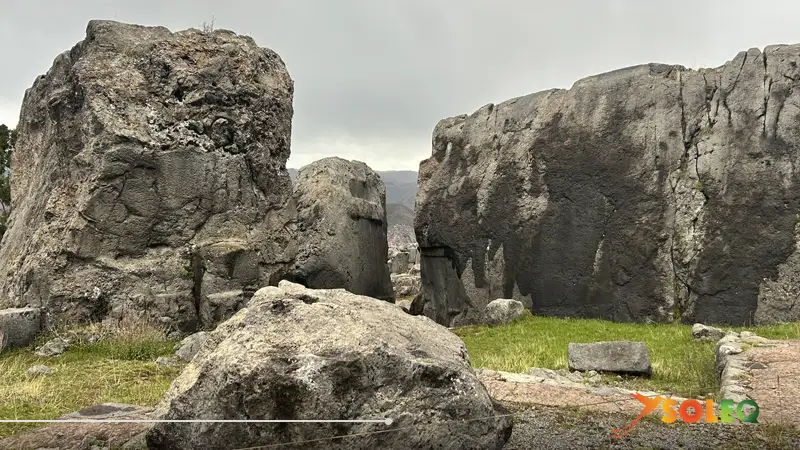
The dry season from May to September offers clear skies, pleasant daytime temperatures, and minimal rain probability. These months are ideal for photography, with crystalline Andean light that enhances Puka Pukara’s reddish colors and the surrounding mountains’ green.
On the other hand, I visited in December, peak rainy season, and I must confess the experience had unique magic. Morning rains cleaned the air, leaving afternoons with exceptional visibility. The surrounding fields shone intense green. There were fewer visitors, allowing more intimate connection with each site. Mornings required patience with the weather, but afternoons compensated generously.
The truth is both seasons have advantages. If you prioritize comfort and predictable weather, choose dry season. If you seek authenticity, fewer crowds, and don’t mind dealing with an occasional downpour, rainy season offers a more genuine experience and slightly lower prices.
Integrating the Circuit into Your Peru Journey
This circuit works perfectly as a gradual introduction to the Inca archaeological universe before facing more demanding destinations like the Sacred Valley or Machu Picchu. In a well-designed 15-20 day Peru itinerary, I recommend dedicating day 3 to this circuit in the morning, leaving the afternoon free in Cusco for museums or rest. Days 4-5 can be dedicated to the Sacred Valley, followed by Machu Picchu on day 6.
This sequence allows progressive acclimatization while building contextual understanding of Inca thinking that will exponentially enrich your Machu Picchu experience. For travelers with 20-30 day itineraries combining Peru with Bolivia or Ecuador, this circuit naturally integrates into the initial Cusco acclimatization days.
Sustainable Tourism at Fragile Archaeological Sites
Unlike Machu Picchu with its strict conservation protocols, these less-visited sites face different challenges. Lower tourist influx means fewer resources for maintenance, but also less physical wear. As responsible travelers, we have an obligation to minimize our impact.
At Soleq Travel, our Travelife certification commits us to specific sustainable practices: small groups that reduce trail erosion, guides who educate about cultural preservation, direct economic collaboration with local communities like Tambomachay’s guardians, and promotion of respect values over consumption.
When you visit these sites, respect signage, don’t touch rock carvings (skin oils accelerate erosion), carry your trash with you, and if you encounter local guides like Don Hilario, consider fair remuneration for shared knowledge. Tourism can be a destructive or regenerative force. The choice is ours.
Absolutely. Most commonly, the circuit is combined with Sacsayhuamán in the morning, dedicating the afternoon to the three more distant sites. Another option is doing the complete circuit in the morning and returning to Cusco to visit museums like Qoricancha in the afternoon.
Frequently Asked Questions About the Sacred Circuit
How much time do I need to visit all three sites?
Between 3-4 hours including transfers allows for an unhurried visit. With private taxi or tour, you can optimize time better. On your own with public transport, consider 5-6 hours due to waiting times between colectivos.
Can I visit the circuit without a guide?
Technically yes, access is free with the Tourist Ticket. However, you’ll miss 80% of the cultural and historical significance that transforms stones into stories. A specialized guide reveals architectural details, explains Inca concepts, and tells legends that the sites alone cannot communicate.
Is the Cusco Tourist Ticket necessary?
Yes, it’s mandatory. The partial ticket costs about $18 for foreigners, valid for one day, also including Sacsayhuamán. If you plan to visit more sites in Cusco and the Sacred Valley, the complete ticket ($33, valid 10 days) offers better value.
Are the sites accessible for people with reduced mobility?
Qenqo presents underground chambers with narrow, irregular stairs. Tambomachay has relatively stable surfaces but with some elevation changes. Puka Pukara is the least accessible, with steep terraces and pronounced stairs. For wheelchairs, access is very limited at all three sites.
How much time do I need to visit all three sites?Are there services like bathrooms or cafeterias?
Services are minimal. There are basic bathrooms at Sacsayhuamán, but at Qenqo, Puka Pukara, and Tambomachay there are no facilities. I recommend using bathrooms in Cusco before departing and carrying sufficient snacks and water.
Is it worth it if I'm already going to Machu Picchu and the Sacred Valley?
It depends on what type of traveler you are. If you’re collecting destinations for Instagram, they’ll probably disappoint you. They don’t have Machu Picchu’s photogenic spectacularity. But if you value depth over spectacle, intimacy over fame, these sites offer something unique: silence to listen, space to feel, time to understand Inca cosmology without crowds.
Is visiting the circuit safe?
Yes, generally very safe. There’s presence of park rangers and regular surveillance. During my visit I never felt unsafe. However, basic prudence applies: don’t carry unnecessary valuables and keep your belongings watched.
Can I combine this circuit with other sites on the same day?
Absolutely. Most commonly, the circuit is combined with Sacsayhuamán in the morning, dedicating the afternoon to the three more distant sites. Another option is doing the complete circuit in the morning and returning to Cusco to visit museums like Qoricancha in the afternoon.
The Silence That Transforms
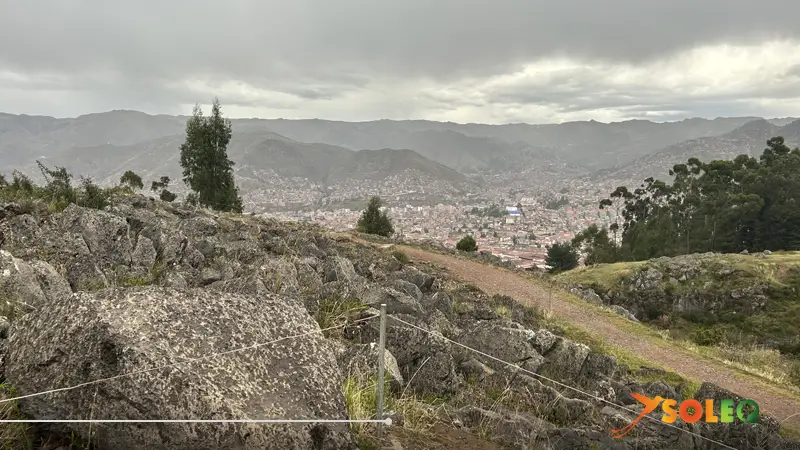
I returned to Cusco that afternoon with tired legs and a strangely light spirit. I hadn’t captured the viral photo for social media. I hadn’t walked on world-famous stones. But I had experienced something more valuable: silence charged with meaning, authentic encounters with memory keepers, and the profound understanding that Inca greatness didn’t reside only in their monumental citadels but in their capacity to fuse stone, water, and cosmos in perfect harmony.
These three archaeological sites at Cusco’s doorstep taught me that greatness doesn’t always shout. Sometimes it whispers. And that the best journeys aren’t measured in shared selfies but in moments lived with full attention, in unexpected conversations with people who keep traditions alive.
If this account awakened something in you, if you recognize your own longing to travel deep instead of fast, contact us at Soleq Travel. We design itineraries where places like Qenqo, Puka Pukara, and Tambomachay receive the time and respect they deserve. Because after two decades helping travelers discover Latin America with impeccable logistics and genuine commitment to sustainable tourism, we know that the best destinations are those that leave you speechless… but full of meaning.