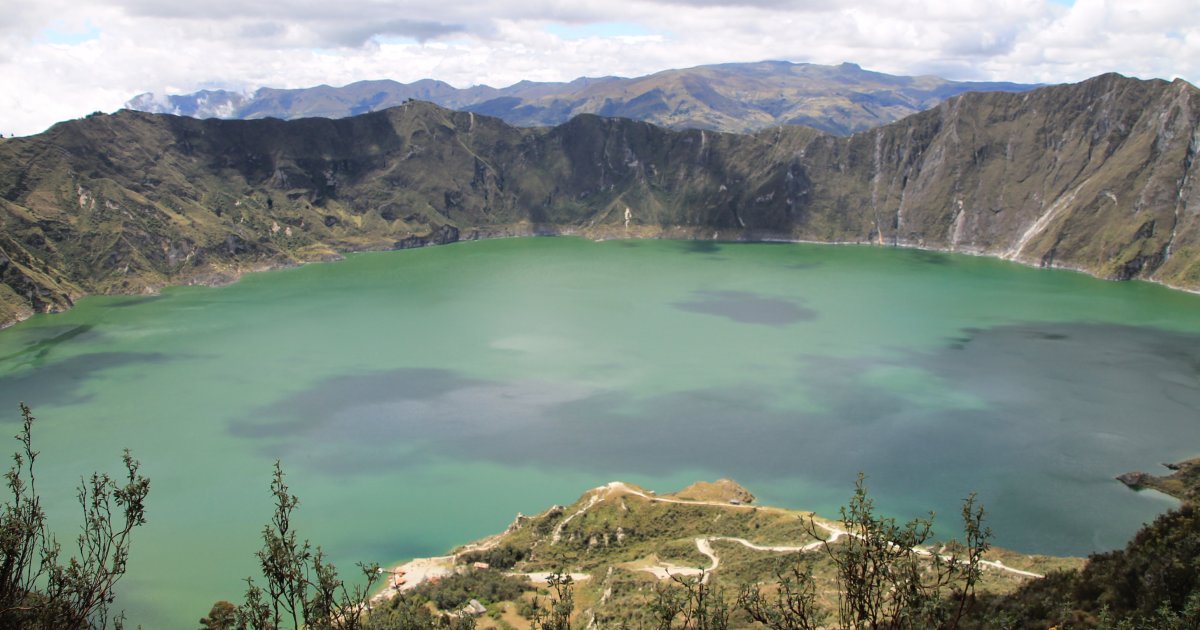
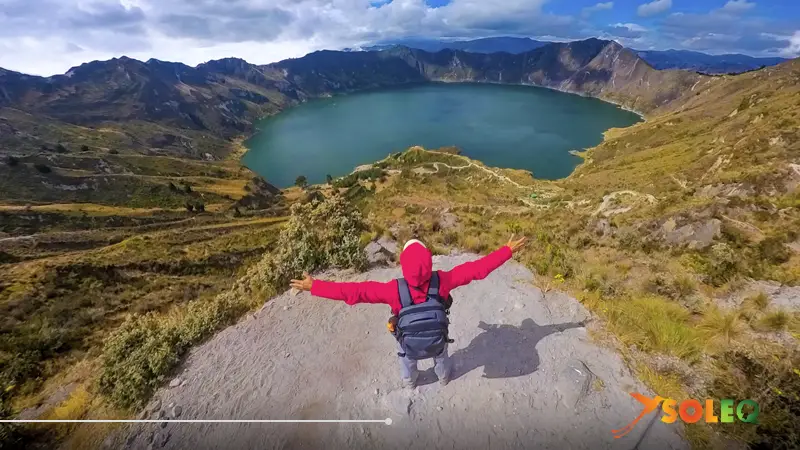
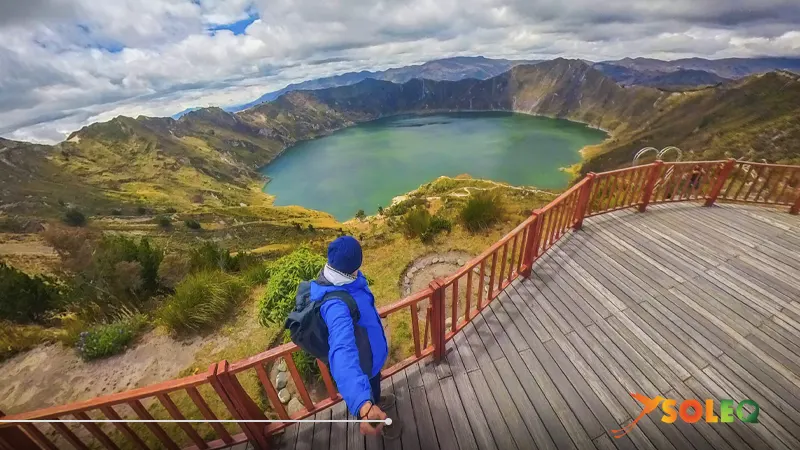
Let me tell you something no travel brochure will: when I reached the edge of Laguna Quilotoa and that impossible shade of green stretched out 1,300 feet below my feet, I stopped breathing. And it wasn’t just the altitude. I had seen the photos, read the descriptions — but nothing, absolutely nothing, prepared me for that moment. Four days later, legs spent and soul completely full, I understood something clearly: the Quilotoa Loop isn’t just a trek. It’s the kind of experience that quietly rewires you.
What Is the Quilotoa Loop Trek?
The Quilotoa Loop is a multi-day trekking route winding through the rural highland communities of Cotopaxi Province in the central Ecuadorian Andes. The trail connects four villages — Quilotoa, Chugchilán, Isinlivi, and Sigchos — across a landscape of volcanic ridges, cultivated valleys, and eucalyptus forests that scent the air in a way that simply doesn’t exist anywhere else on earth.
What makes this trek extraordinary isn’t just the scenery. It’s the chance to walk through living territory — through Kichwa communities that have been cultivating these highlands for centuries with a wisdom that modern travelers are desperately searching for. This isn’t mass tourism. It’s stepping into a version of Ecuador that very few people ever get to know this intimately.
Essential Stats
The full route covers between 22 and 26 miles, broken into daily stages of 4 to 5 hours depending on your pace. Altitude ranges between 11,500 and 12,800 feet, with Laguna Quilotoa crowning the route at 12,840 feet. If you’re arriving from sea level, build in at least one full acclimatization day in Quito or Latacunga before you start — not a suggestion, but an essential part of planning this trip right.
Difficulty is moderate to challenging. No technical mountaineering skills required — but solid fitness, quality footwear, and the genuine mindset of someone who travels to feel something real are non-negotiable.
The Villages Along the Route
Four communities, four completely different personalities. Quilotoa sits at the highest point of the circuit, right on the rim of the volcanic crater. Chugchilán is an intimate highland enclave wrapped in deep canyons and rolling mist. Isinlivi catches you off guard with its stillness and the warmth of the people who call it home. Sigchos closes the loop — the point where the road brings you back toward Quito with the quiet, earned satisfaction of someone who finished something that mattered.
The Itinerary: 4 Days You Won't Forget
Day 1: Arrival at Laguna Quilotoa
We arrived at midday. Before descending into the crater, we sat down for lunch at a small spot right on the rim — a hot soup made with local ingredients that, at that altitude and in that setting, tasted like something impossible to describe. Then we made our way down to the lake.
Going down is almost meditative. The path drops 1,300 feet through volcanic earth, and every turn opens a new angle on the lagoon below. Coming back up is a different story entirely: the slope is steep, the oxygen is thin, and your steps become very deliberate. But the moment you clear that final bend and turn around to see the lagoon spread out in full — that’s the moment you understand exactly why people do this trek.
Laguna Quilotoa: The Soul of the Trek
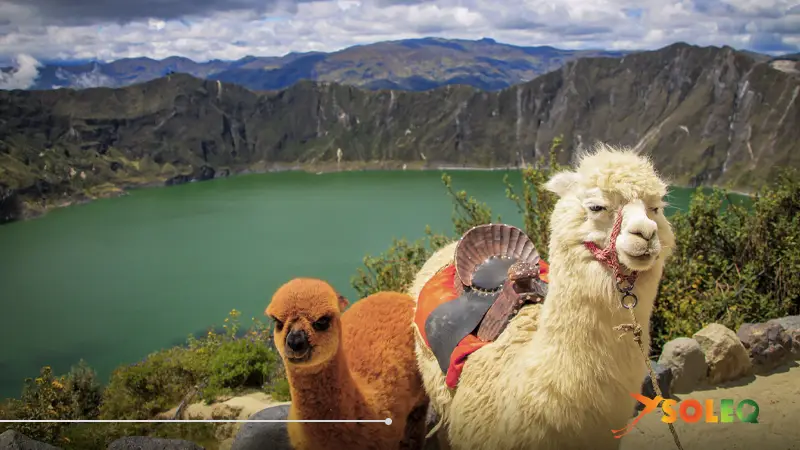
The lagoon formed roughly 800 years ago when a volcanic eruption collapsed the magma chamber and created a caldera that slowly filled with water. That deep turquoise color — the one that shifts toward emerald in certain light — comes from dissolved minerals in the water. And I’ll be direct with you: no photograph captures what it actually feels like to stand on that edge.
In the early morning hours, before the day-trippers arrive from Quito, the lagoon holds a complete silence. Nothing but wind off the crater walls. It’s one of those rare places that forces a kind of stillness in you — not because it’s overwhelming, but because it’s perfect.
Day 2: Quilotoa → Chugchilán
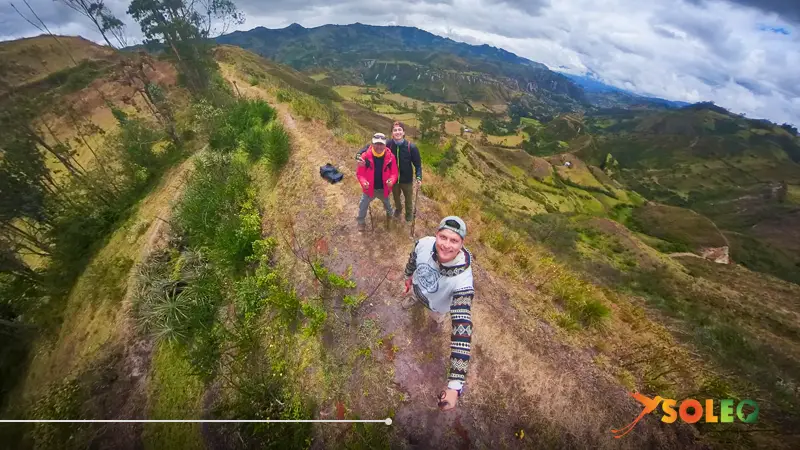
This is the day the trek shows its true character. The trail drops from the crater rim all the way down to the Toachi River canyon, crosses a narrow bridge at the bottom, and climbs back up the opposite wall with equal intensity. The views from inside that canyon are on a scale that very few trekking routes in the world can match — especially in the early hours, when mist fills the valley floor and the dawn light catches the ridgelines above.
Arriving in Chugchilán feels like reaching a refuge at the edge of the known world. Quiet, authentic, intimate. A good evening here is a slow one: hot chocolate, good company, and watching the landscape shift through its colors as the afternoon fades.
Day 3: Chugchilán → Isinlivi
The most unhurried stretch of the entire circuit. The trail moves through farmland and pine forest, and the locals greet you as you pass with the ease of people accustomed to sharing their land with travelers. Isinlivi appears quietly — whitewashed houses around a calm square — with that particular stillness that only exists in places where time genuinely moves at a different speed.
The woodcarving workshops here are known throughout the region, and the artisans share their craft with the generosity of people who know what they do is worth seeing. But what truly left me speechless came after the day’s walk, when we finally reached our accommodation. The welcome was extraordinary — the kind of hospitality you don’t expect and that hits twice as hard because of it.
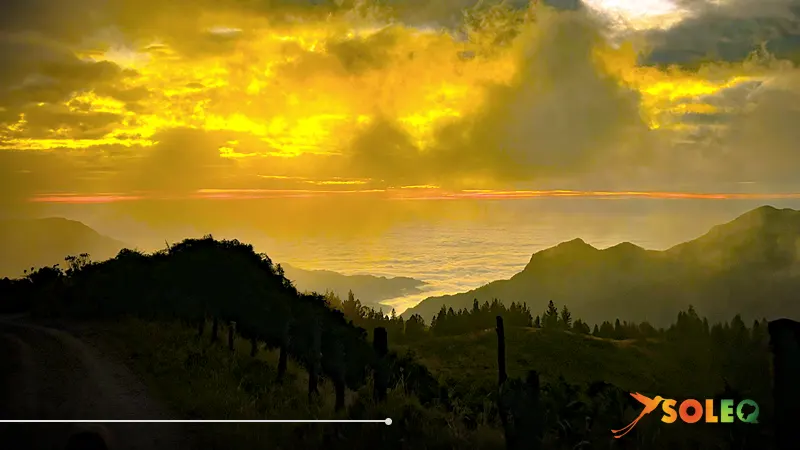
And then something happened that wasn’t on any itinerary: we climbed into a pickup truck and drove up to the highest point in the mountains surrounding Isinlivi to watch the Mar de Nubes — the Sea of Clouds. I can tell you honestly, with no exaggeration, that it was the most beautiful sunset I have ever seen in my life. The Ecuadorian coast isn’t far from this part of the Sierra, and that proximity creates something visually extraordinary: from the Andean peaks, you can watch the sun sink below the Pacific Ocean, painting an infinite carpet of clouds in orange and violet that mirrors, with breathtaking accuracy, the surface of the sea. That’s why they call it the Sea of Clouds. And you have to see it to truly understand it.
Day 4: Isinlivi → Sigchos
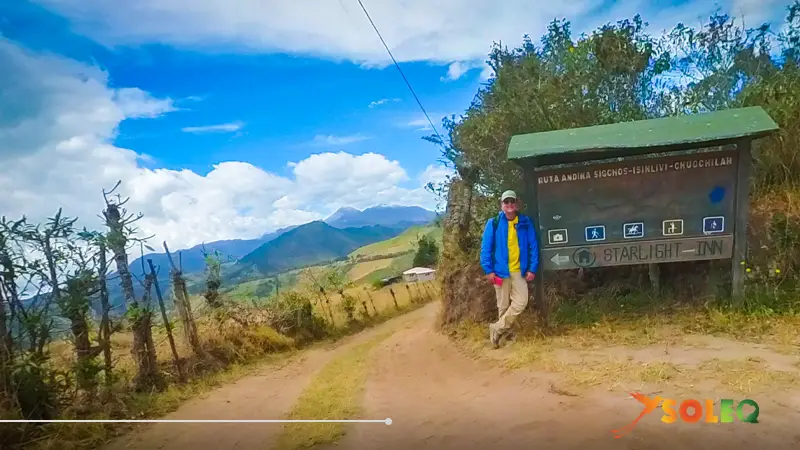
The last stage carries the particular emotional weight of closing something significant. The trail descends through valleys and river crossings before the final climb into Sigchos. There’s a very specific mix of fullness and resistance to it ending that defines that last morning — and this stretch delivers it in its most honest form.
What to Eat Along the Trail
The food here is Andean home cooking at its most honest. Locro de papa — a dense potato and white cheese soup that takes on a completely different dimension at altitude — appears on tables throughout every community, alongside artisan bread baked over wood fire and Ecuadorian hot chocolate that at mountain breakfasts becomes unexpectedly revelatory. Eating along this trail isn’t a logistical stop. It’s part of the experience itself.
Culture and Communities Along the Way
What sets the Quilotoa Loop apart from a purely physical adventure is the human dimension running through it. These aren’t backdrops designed for tourism — they’re active Kichwa communities with their own rhythms, markets, knowledge systems, and ways of inhabiting this land. Time spent with families who have been rooted here for generations, living textile traditions, agricultural wisdom passed down at 12,500 feet: all of it offers a perspective on the Andean Ecuador that no urban cultural program can replicate.
Where to Stay Along the Trek
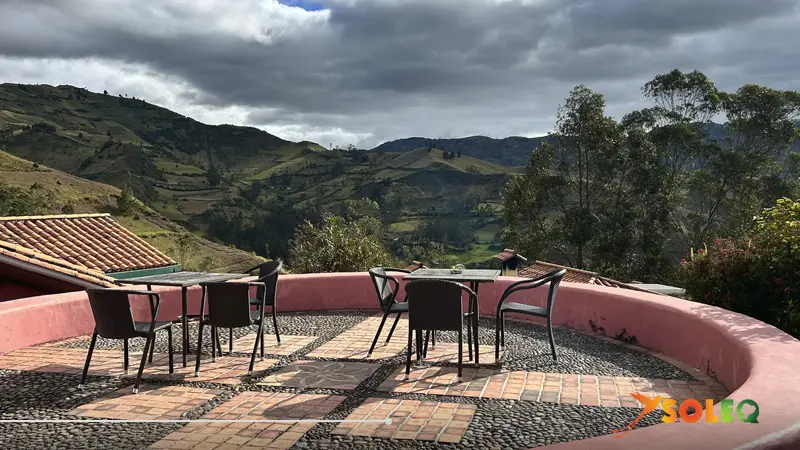
The accommodation along this route is, in itself, part of the experience. In Quilotoa, waking up on the crater rim with that turquoise lagoon as your first image of the day is simply priceless. Chugchilán receives you with lodges known for their kitchen and their deep connection to the local community — places that invite you to stay longer than planned. Isinlivi surprises with mountain lodges where the evenings carry that specific warmth that only exists when the landscape wraps completely around you. Sigchos closes the circuit in comfort, with a good table and the quiet satisfaction of having finished something genuinely memorable.
This is where Soleq Travel makes all the difference. We know that after four hours of trekking at nearly 13,000 feet, you deserve far more than a place to sleep. That’s why we work exclusively with the finest accommodations at every stage of the route — extraordinary mountain properties selected for their service level, their integration with the Andean landscape, and their ability to make every night as memorable as every day on the trail. Quality beds, thoughtfully prepared local cuisine, and an atmosphere that makes you feel exactly where you want to be. Because at Soleq Travel, we believe an extraordinary trek doesn’t stop when you stop walking — it continues in every evening, every breakfast with a view, and every well-earned moment of rest.
How to Get There
From Quito, the most efficient option is a private transfer directly to Quilotoa: you control your arrival time, you get there with energy, and you begin the trek the way it deserves to be started. Those who prefer public transport can take a bus to Latacunga and connect with local services toward Quilotoa or Sigchos in the morning hours.
Frequently Asked Questions
How long does the Quilotoa Loop take?
Most travelers complete it in 4 days with daily stages of 4 to 5 hours, depending on individual pace.
Can you do it independently?
Yes — the trail is safe and well-traveled. That said, a specialized guide enriches both the navigation and the connection with the communities along the way in ways that are genuinely hard to replicate on your own.
Do you need a guide?
Not required, but highly recommended for anyone who values depth of experience over simply completing the route.
Ready to Live the Quilotoa Loop?
This trek doesn’t ask for spectacle. It asks for presence. It asks you to walk with intention, to stop where it matters, and to open yourself to a version of Ecuador that doesn’t appear on conventional tourist circuits. In return, it gives you four days of Andean landscape of rare authenticity, the warmth of communities that have called these mountains home for centuries, and a volcanic lagoon that stays with you — clearly, vividly — long after you’ve returned home.
This is the Ecuador we believe in at Soleq Travel: authentic, genuinely demanding in the best sense, and deeply generous with those who approach it the right way.
At Soleq Travel we handle every detail of your Quilotoa Loop experience: private transfers, hand-selected accommodations, certified guides with deep knowledge of the territory and the culture. Our job is to make sure the only thing you have to focus on is living every moment of it.
Contact us today and let’s design your Quilotoa Loop adventure together.