Discovering the Heart of the Inca Empire
Let me share something I discovered during my December visit to Cusco: this city has the extraordinary ability to transport you through time without ever leaving its cobblestone streets. I was walking through the San Blas neighborhood when I realized that every stone, every colonial balcony, and every Quechua face tells a millennia-old story that’s still very much alive. Despite visiting during the rainy season, I had the fortune of enjoying clear-sky days that highlighted the beauty of this ancient imperial capital.
Cusco, the navel of the world according to Andean cosmovision, is far more than just the jumping-off point to Machu Picchu. This UNESCO World Heritage city fuses Inca architecture with Spanish colonial splendor, vibrant markets with world-class museums, and ancestral traditions with sophisticated gastronomy. In this guide, you’ll find everything you need to make the most of your visit: from unmissable archaeological sites to authentic cultural experiences that will transform your perception of the Andes.
Why Visit the Ancient Inca Capital?
Cusco represents Peru’s historical and cultural heart like no other city can match. As the former capital of Tahuantinsuyo, the vast Inca Empire, it preserves extraordinary architecture that defies modern understanding. Perfectly assembled stone walls built without mortar, designed to withstand earthquakes for centuries, integrate harmoniously with baroque colonial churches.
However, Cusco is also the gateway to South America’s most extraordinary experiences. From here you access the Sacred Valley, Machu Picchu, and natural wonders like Vinicunca and Laguna Humantay. The city functions as an ideal base for itineraries exploring the diversity of Peru’s southern highlands, offering infrastructure for demanding travelers alongside cultural authenticity rarely found in such well-visited destinations.
The Essential Highlights You Can't Miss
If your time is limited, prioritize these essentials: the Plaza de Armas as the historic nerve center, Qorikancha to understand the Inca-Spanish cultural fusion, Sacsayhuamán for its monumental engineering, the San Blas neighborhood for its authentic bohemian character, and at least one Sacred Valley experience. Complement this with the San Pedro Market to experience everyday Cusco life and an evening savoring novo-Andean cuisine.
Main City Attractions
The Plaza de Armas forms Cusco’s geographic and symbolic heart. This majestic space, surrounded by colonial arcades, the imposing Cathedral, and the church of La Compañía de Jesús, was the ceremonial center of the Inca Empire. Today it functions as a social gathering point where locals and visitors mingle beneath blooming jacaranda trees.
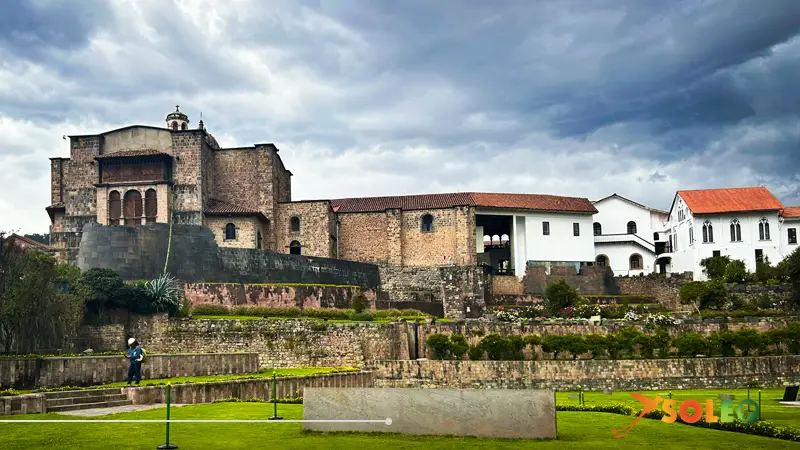
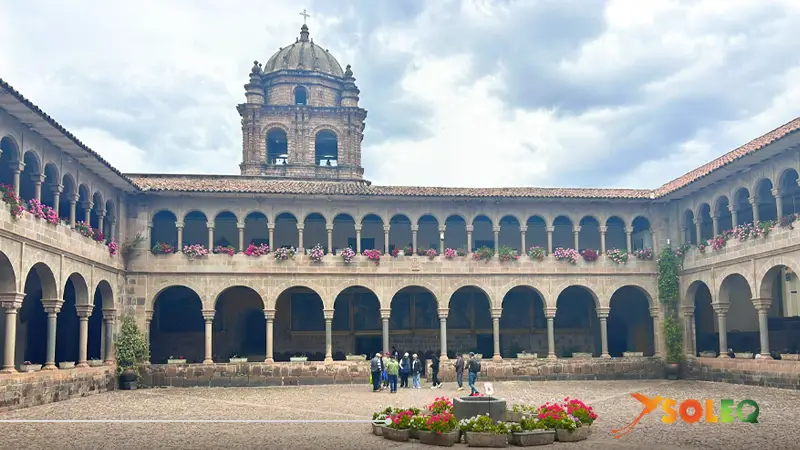
Qorikancha, the Temple of the Sun, represents the most dramatic example of cultural fusion that defines Cusco. The Spanish built the Santo Domingo Convent directly atop the Inca Empire’s most important temple. The Inca walls of millimeter-precise polished stone contrast with colonial arches. A 1950 earthquake severely damaged the colonial structure while the Inca walls remained intact, demonstrating the superiority of Inca engineering.
Sacsayhuamán dominates the heights above Cusco with stone blocks weighing up to 200 tons, some reaching 30 feet in height. This ceremonial fortress exemplifies the architectural mastery that characterized Tahuantinsuyo. The question of how the Incas transported and assembled these colossal stones without metal tools continues to fascinate modern engineers. The panoramic views of Cusco from here justify the visit alone, especially at sunset.
The San Blas neighborhood preserves the bohemian character that attracts artists and travelers seeking authenticity. Its steep streets house ceramic workshops, art galleries, cozy cafés, and restaurants with terraces offering spectacular views.
Sacred Valley and Nearby Excursions
The Sacred Valley stretches along the Vilcanota River between Cusco and Machu Picchu, offering temperate microclimates, spectacular agricultural terraces, and towns preserving ancestral traditions. Pisac combines a vibrant artisan market with impressive Inca ruins. Ollantaytambo, the last living Inca town, maintains its original urban layout with channels running through cobblestone streets. Its fortress, with blocks of up to 50 tons transported from quarries across the valley, demonstrates logistical feats that defy imagination.
Chinchero, situated at higher altitude than Cusco, offers views of the snow-capped Salkantay and preserves exceptional Quechua textile traditions. On Sundays, the traditional market provides an authentic window into contemporary Andean life.
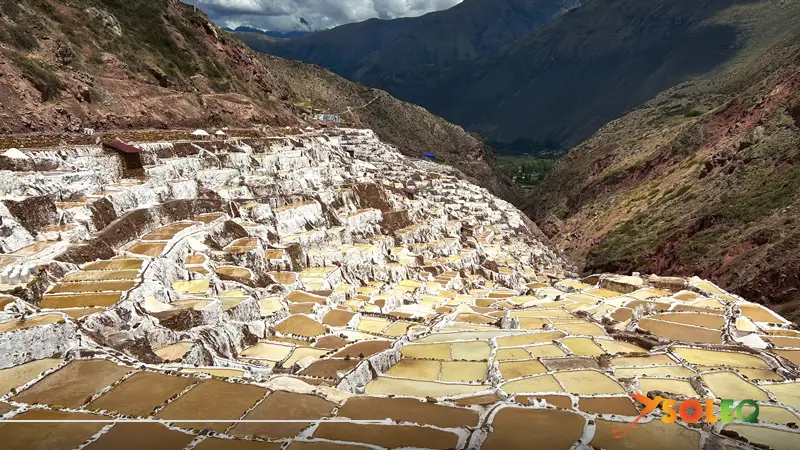
The Maras salt pans, exploited since pre-Inca times, create a surreal landscape of thousands of terraced pools gleaming white under the Andean sun. Moray, with its concentric circular terraces, functioned as an experimental Inca laboratory where crops were adapted to different microclimates.
High-Altitude Nature and Trekking
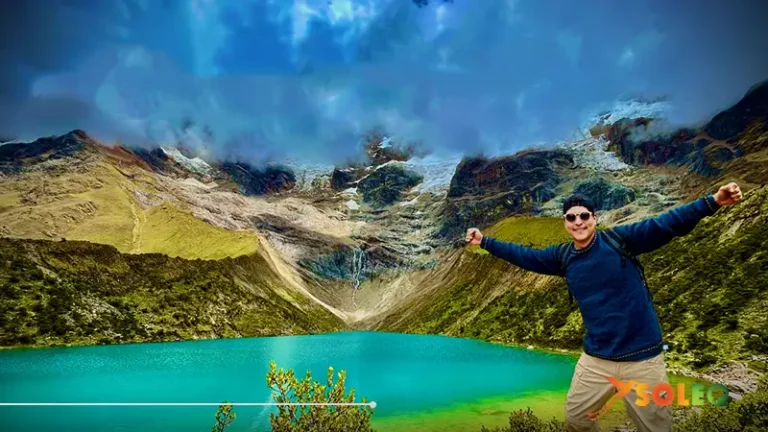
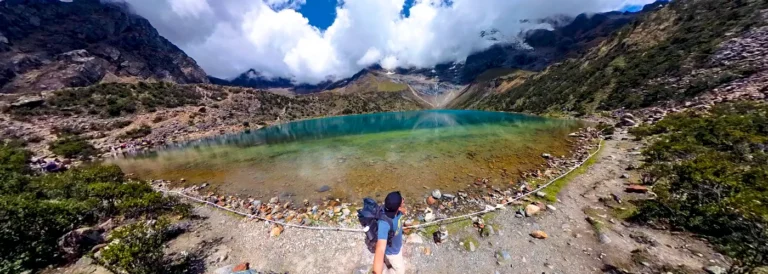
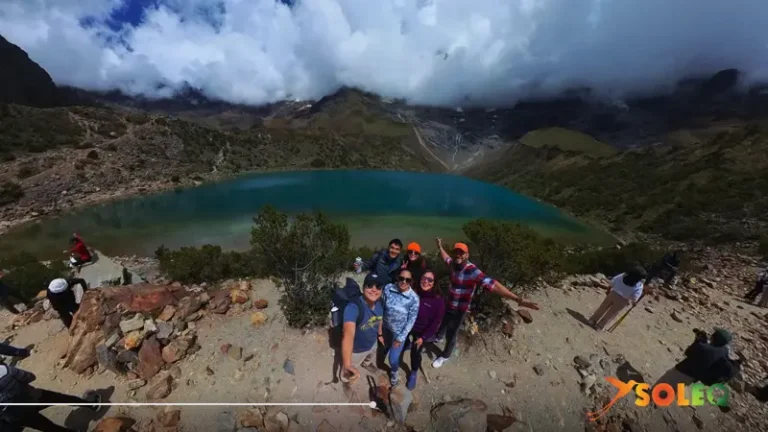
For adventurers, Cusco serves as a base for spectacular hikes. Laguna Humantay, with its turquoise waters fed by the Salkantay glacier, represents a full-day excursion combining natural beauty with moderate physical challenge at over 13,780 feet.
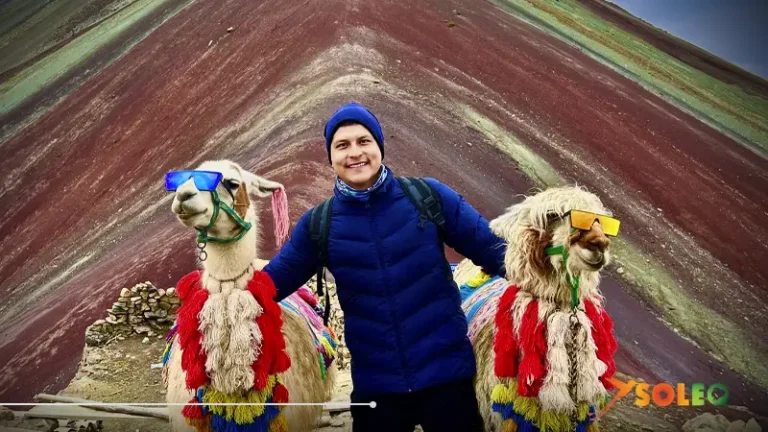
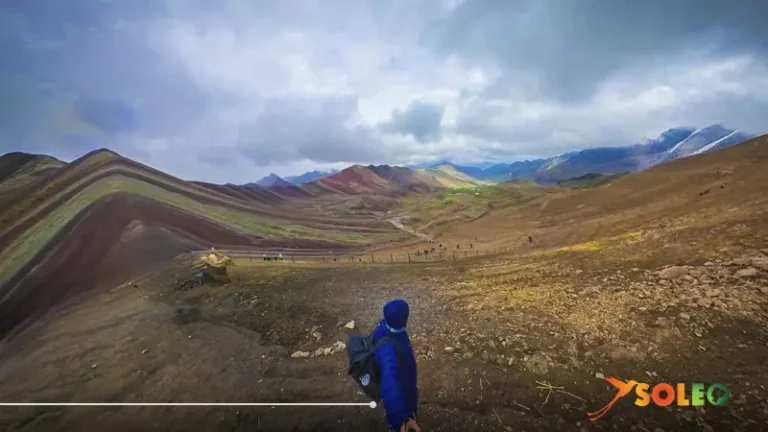
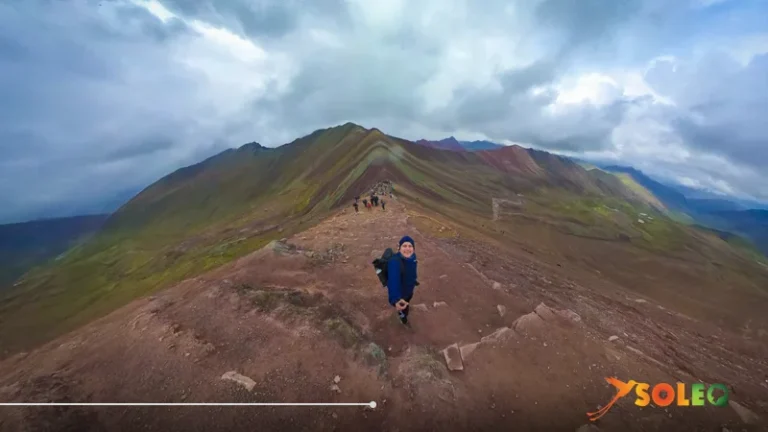
Vinicunca Mountain (Rainbow Mountain) offers one of the planet’s most photogenic geological spectacles. The multicolored stripes resulting from millions of years of mineral sedimentation create a surreal landscape. Both experiences require proper acclimatization in Cusco but reward the effort with unforgettable memories.
Exclusive Experiences and Living Tourism
Beyond conventional circuits, Cusco offers cultural experiences that genuinely connect with living Andean traditions. Dinners in Quechua family homes allow you to share traditional meals while conversing about contemporary life in the highlands. Traditional textile workshops reveal ancestral techniques of spinning, natural dyeing, and weaving passed down through generations. Andean ceremonies with guides who deeply understand Quechua cosmovision add a spiritual dimension that transcends simple tourism.
Cusco as a Base for Extended Peru and South America Itineraries
Cusco reaches its maximum potential when integrated into well-designed 15-20 day itineraries exploring all of Peru. A typical luxury route dedicates 3-4 days to Cusco and the Sacred Valley, allowing acclimatization while exploring archaeological sites and cultural experiences. From this base, you continue to Machu Picchu, Vinicunca, or Laguna Humantay.
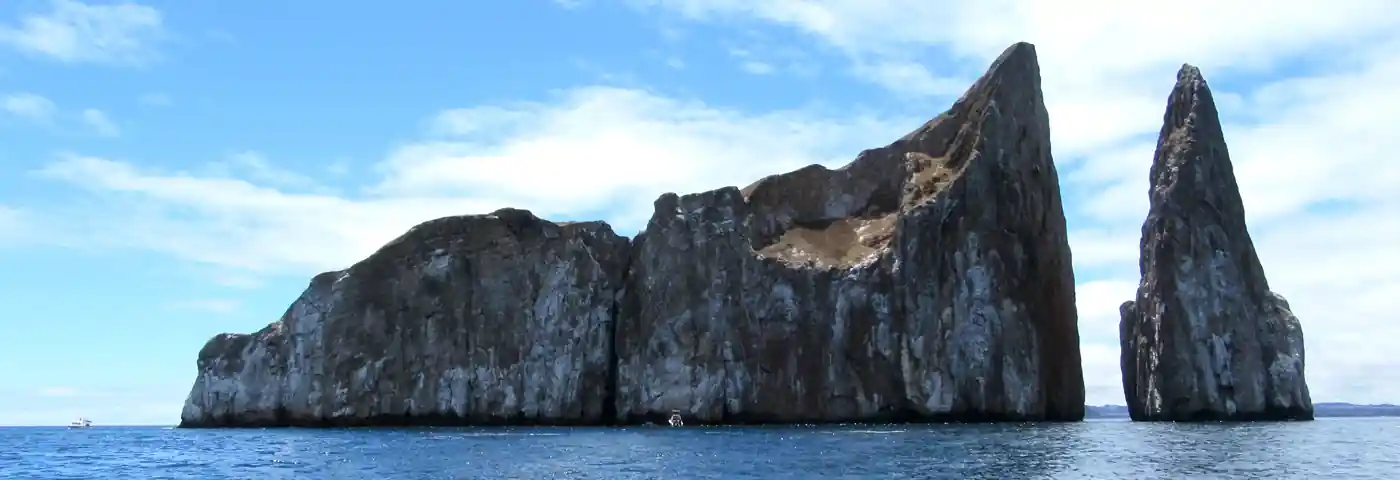
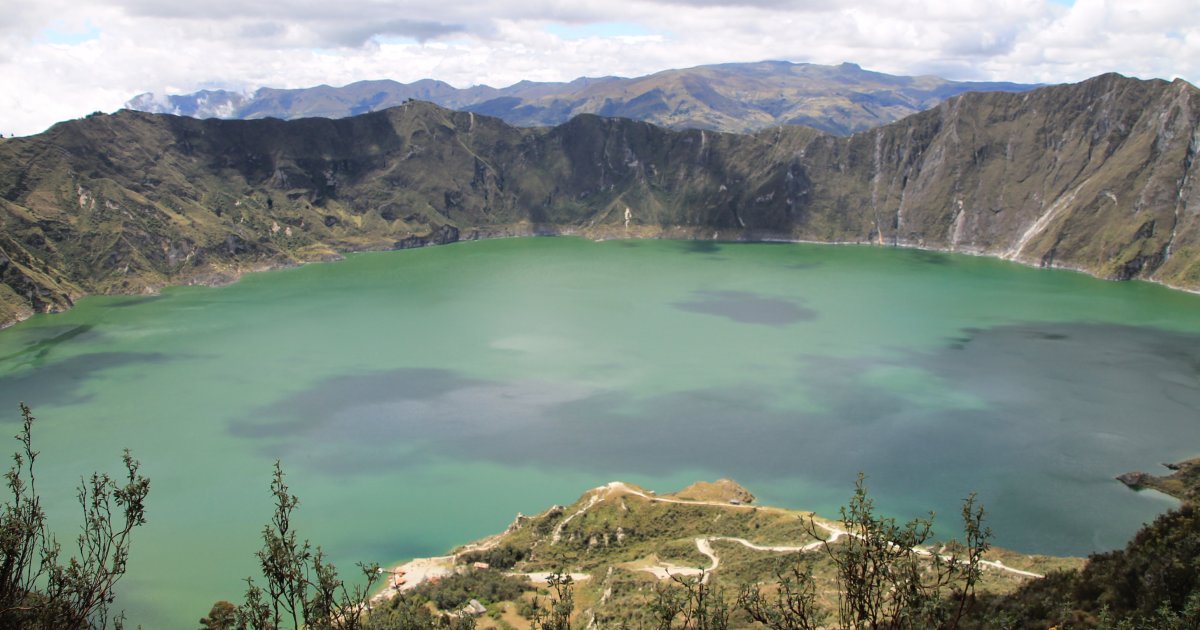
For itineraries including Lima, Arequipa, the Amazon, or Lake Titicaca, Cusco functions as a central pivot. For travelers seeking multi-country experiences, Cusco integrates exceptionally into circuits combining Peru with Bolivia (La Paz, Salar de Uyuni), Ecuador (Quito, Galápagos), or Chile (Atacama). These 20-30 day routes create coherent narratives connecting pre-Columbian civilizations, unique ecosystems, and transformative experiences.
Practical Information for Your Visit
Cusco has an airport receiving daily flights from Lima (1 hour 20 minutes). The city is compact and most attractions are walkable, though steep streets and altitude demand a leisurely pace. The Cusco Tourist Ticket (BTC) provides access to 16 archaeological sites and museums. The best time spans May to September, though my December experience showed that rainy season can offer spectacular days with fewer visitors.
Acclimatization and Health Tips
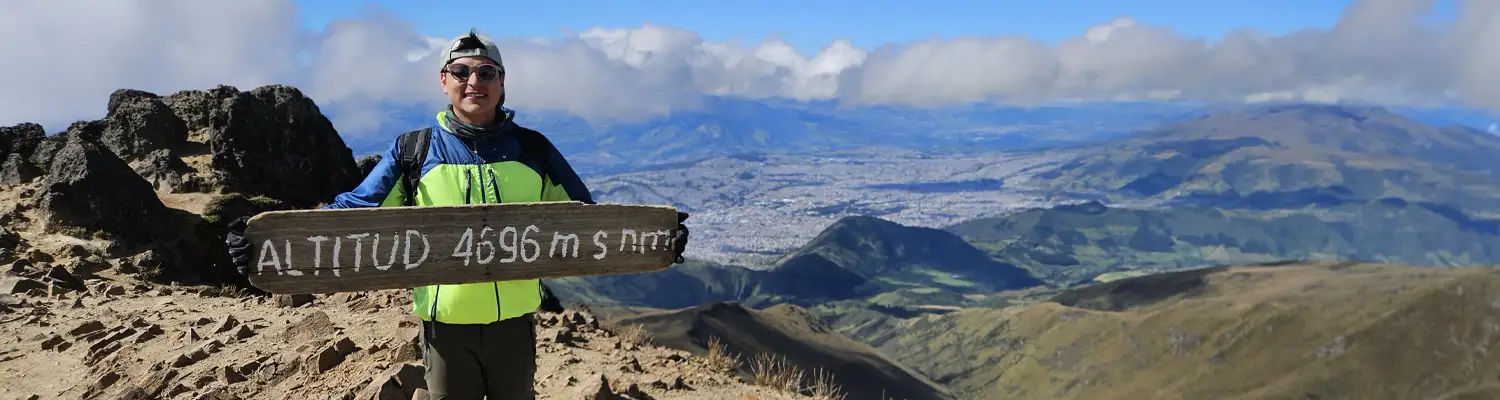
Cusco sits at 11,150 feet, an altitude affecting most visitors. Altitude sickness symptoms include headache, nausea, and fatigue. The key is gradual acclimatization: dedicate at least two days in Cusco before demanding treks. Hydrate constantly, avoid alcohol the first days, walk slowly, and consider coca tea. If symptoms worsen, descending provides significant relief.
Cusco Gastronomy and Andean Culture
Cusco gastronomy combines ancestral Andean ingredients with contemporary techniques creating novo-Andean cuisine. Must-try dishes include roasted guinea pig, lake trout, and Cusco adobo. Restaurants like Cicciolina, MAP Café, and Chicha offer sophisticated interpretations of traditional flavors.
The San Pedro Market provides immersion into everyday Cusco life. Here locals buy fresh produce, medicinal herbs, and flowers while vendors prepare juices and typical dishes. Visiting early morning offers exceptional photographs and genuine encounters.
Frequently Asked Questions
How many days do I need to visit Cusco?
A minimum of 3-4 days allows exploring the city, acclimatizing, and taking a Sacred Valley excursion. An ideal itinerary dedicates 7-10 days to the region, integrating Machu Picchu and nature experiences like Vinicunca. For international travelers, we recommend 15-20 day itineraries combining Cusco with other Peruvian destinations.
Is it safe to visit Cusco?
Cusco is generally safe for tourists, especially in central areas. Maintain basic precautions: don’t display valuables, use authorized taxis at night, and keep document copies. Tourist police presence in main areas adds additional security.
What should I pack for visiting Cusco?
Layered clothing is essential due to temperature variations. Sun protection (SPF 50+), hat, sunglasses, and comfortable shoes are must-haves. Always carry a lightweight waterproof jacket. For higher-altitude excursions, add thermal clothing and trekking poles.
Can I use credit cards in Cusco?
Restaurants, hotels, and tourist shops widely accept cards. However, markets, local transport, and small establishments operate cash-only. Carry sufficient Peruvian soles.
How does Cusco integrate into multi-country itineraries?
Cusco functions as a central point in 15-20 day Peru itineraries. For travelers with more availability, it integrates into 20-30 day multi-country circuits. Popular combinations include Peru + Bolivia (Salar de Uyuni), Peru + Ecuador (Galápagos), or the grand Andean circuit Peru + Bolivia + Chile (Atacama). These routes create coherent narratives connecting pre-Columbian civilizations and unique South American ecosystems.
Your Cusco Adventure Awaits
Cusco isn’t simply a historic city or just the jumping-off point to Machu Picchu. It’s a transformative destination where every cobblestone street, every Inca wall, and every Quechua face connects you with a living civilization. My December experience, enjoying clear skies when statistically it should rain, reminded me that Cusco always has surprises for those who visit with an open mind.
Strategically integrated into a luxury 15-20 day Peru itinerary, Cusco offers the perfect base from which to explore archaeological treasures, natural wonders, authentic cultural experiences, and exceptional gastronomy. Cusco’s magic amplifies when understood as part of a larger narrative connecting imperial past, vibrant present, and sustainable future.
Ready to discover the heart of the Inca Empire with the peace of mind of expert planning?
At Soleq Travel, we design exclusive itineraries integrating Cusco into comprehensive 15-20 day Peru experiences and multi-country South America circuits, with impeccable logistics, certified guides, and commitment to sustainable tourism. Since 2006, we’ve helped thousands of travelers discover Latin America with the confidence that only 20 years of experience can provide. Contact us today and allow us to create your dream journey, where every detail is designed so you only need to focus on absorbing every unforgettable moment in the capital of the Andean world.