Last updated: October 2026
Imagine standing beneath one of the world’s highest active volcanoes, surrounded by vast Andean grasslands and a dramatic snow-covered summit. Now imagine looking down into an enormous volcanic crater, where a turquoise lake reflects the changing colors of the Ecuadorian highlands.
Both experiences are possible within a day trip from Quito. But should you visit Cotopaxi or Quilotoa?
Although these two destinations are located in Ecuador’s central Andes, they offer surprisingly different experiences.
Cotopaxi is all about wide-open volcanic landscapes, high-altitude scenery, and the opportunity to explore one of Ecuador’s most iconic national parks. Quilotoa combines spectacular crater-lake views with rural Andean landscapes and opportunities to discover the cultural traditions of nearby communities.
Choosing between them isn’t simply a matter of which destination looks more impressive in photographs.
The right choice depends on your interests, physical comfort, available time, and how each experience fits into your larger Ecuador itinerary.
Here’s how to decide.
Cotopaxi vs. Quilotoa: A Quick Comparison
Both destinations can be visited from Quito, but the travel times, landscapes, and activities differ considerably.
| Cotopaxi National Park | Quilotoa Crater Lake | |
|---|---|---|
| Main attraction | Snow-capped active volcano and highland landscapes | Turquoise volcanic crater lake |
| Approximate drive from Quito | 1.5–2.5 hours | 3–3.5 hours |
| Main visitor areas | Limpiopungo Lagoon, scenic viewpoints, volcanic trails | Crater viewpoints, rim trails, lake descent |
| Altitude | Limpiopungo around 3,800 m; José Ribas Refuge around 4,864 m | Crater rim approximately 3,900 m |
| Physical difficulty | Easy sightseeing to demanding high-altitude hiking | Easy viewpoint visits to strenuous hiking |
| Landscape | Volcanic plains, páramo grasslands, snowy peaks | Crater lake, mountain valleys, rural highlands |
| Cultural experiences | Historic haciendas and surrounding Andean communities | Indigenous Kichwa communities, rural villages, local crafts |
| Best for | Volcano lovers, nature enthusiasts, photographers | Scenic views, cultural interests, photographers, hikers |
Driving times and activity levels are approximate. Actual conditions depend on your departure point, weather, road access, and selected activities.
Our quick recommendation: Choose Cotopaxi for dramatic volcanic landscapes and flexible nature experiences. Choose Quilotoa for extraordinary crater-lake scenery and a journey through rural Andean communities. If you have more time, consider including both.
What Makes Cotopaxi Worth Visiting?
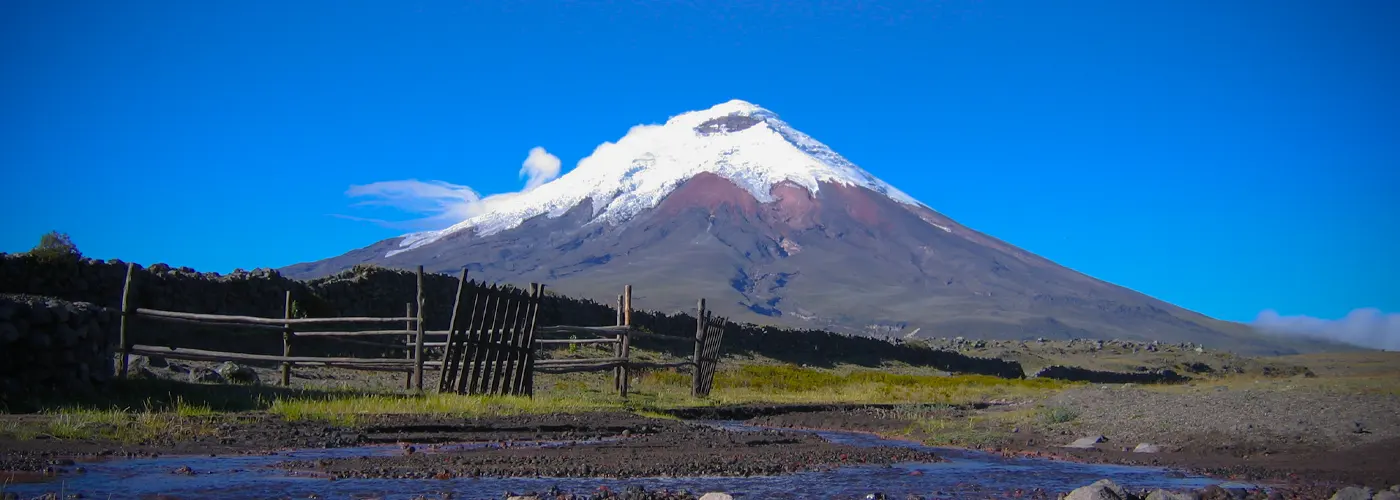
Cotopaxi is one of Ecuador’s most recognizable natural landmarks.
Rising to approximately 5,897 meters (19,347 feet), this active stratovolcano dominates the surrounding landscape with its distinctive cone and snow-covered upper slopes.
The surrounding Cotopaxi National Park protects an extensive high-altitude ecosystem of grasslands, wetlands, and volcanic terrain.
For many travelers, the most memorable part of visiting Cotopaxi is not climbing the mountain. It’s experiencing the immense scale and beauty of the landscape around it.
Explore the Andean Páramo

As you enter Cotopaxi National Park, the scenery opens into vast expanses of high-altitude grassland known as páramo.
These ecosystems are important for water regulation and support a range of wildlife adapted to the challenging mountain environment.
Depending on conditions and a little luck, visitors may observe Andean birds, wild horses, and other wildlife.
The changing light, volcanic soil, and immense mountain backdrop make Cotopaxi particularly rewarding for landscape photography.
Visit Limpiopungo Lagoon
One of the most enjoyable places to visit within the national park is Limpiopungo Lagoon, situated at approximately 3,800 meters (12,470 feet).
On clear days, its surroundings offer beautiful views toward the Cotopaxi volcano.
The lagoon is also an appealing place for birdwatching and shorter nature walks.
An important distinction: You do not need to undertake a strenuous mountain hike to appreciate Cotopaxi.
For travelers who prefer a slower pace, a guided visit to Limpiopungo, selected viewpoints, and the surrounding páramo can provide a rewarding experience without attempting the much higher ascent toward the mountain refuge.
Even relatively easy walks can feel more demanding at this altitude, so the pace should always be adapted to individual comfort.
Hike Toward the José Ribas Refuge
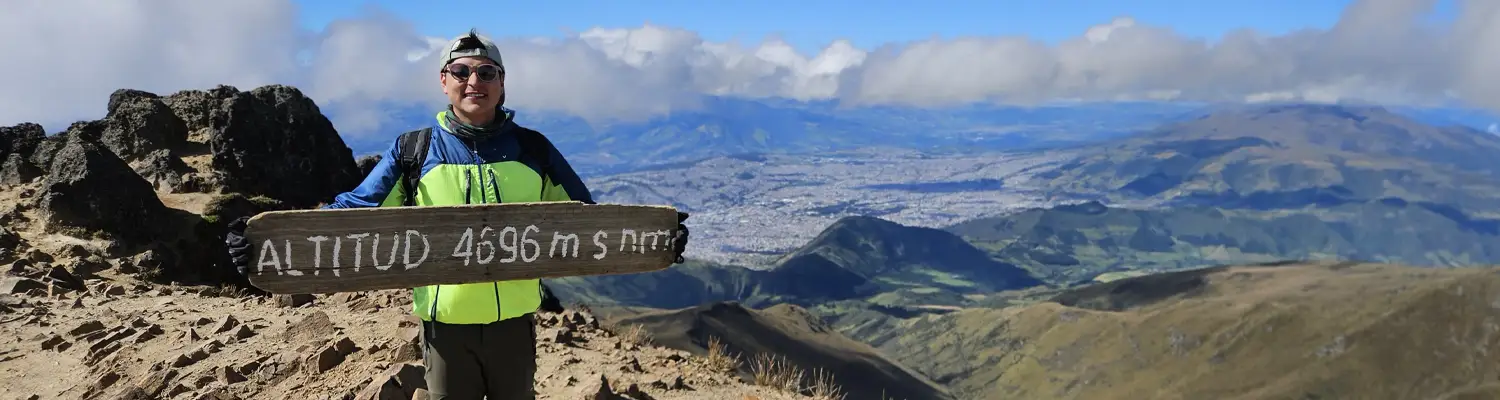
For travelers seeking a more physically demanding experience, it may be possible to continue toward the José Ribas Refuge at approximately 4,864 meters (15,958 feet).
The hike generally begins from a higher parking area and involves ascending steep, loose volcanic terrain.
Although the walking distance may appear relatively short, the altitude makes this excursion considerably more strenuous than an ordinary mountain hike.
Weather conditions can change rapidly, with cold temperatures, strong winds, and limited visibility.
The refuge hike is not a requirement for enjoying Cotopaxi National Park, and access may be affected by volcanic monitoring, weather, or park regulations.
Travelers considering this option should have appropriate altitude preparation and discuss their fitness level and previous high-altitude experience with their guide.
Who Will Enjoy Cotopaxi Most?

Cotopaxi is particularly appealing if you:
- Love dramatic mountain landscapes and volcanoes.
- Enjoy nature photography and wide-open scenery.
- Want to experience Ecuador’s high-altitude páramo.
- Prefer an excursion that can be adapted to different activity levels.
- Are interested in combining natural landscapes with a traditional Andean hacienda experience.
It is also an excellent choice for travelers who want to explore the Ecuadorian Andes without necessarily undertaking a challenging trek.
What Makes Quilotoa Worth Visiting?
Quilotoa offers one of the most striking landscapes in Ecuador.
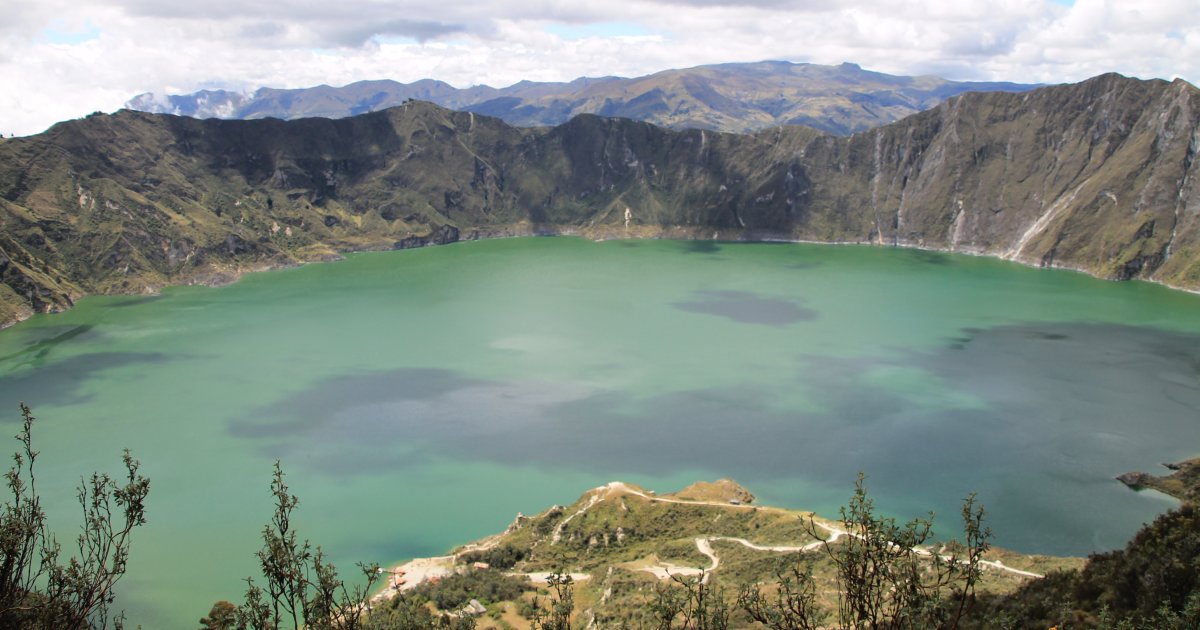
Its enormous volcanic caldera contains a lake whose colors can range from deep blue to brilliant turquoise and green, depending on the light and viewing conditions.
The crater rim reaches approximately 3,900 meters (12,800 feet) above sea level.
Unlike Cotopaxi, where the volcano rises high above the surrounding landscape, Quilotoa invites you to look down into the remains of a major volcanic eruption.
Quilotoa is classified as a potentially active volcano, with its most recent eruption occurring approximately 800 years ago, in the 12th century.
Today, the crater lake and surrounding mountain scenery make it one of the most distinctive destinations in the Ecuadorian Andes.
Enjoy the Views Without a Long Hike
One of Quilotoa’s greatest attractions is that you can appreciate the crater lake without descending to the water.
Several viewpoints offer impressive perspectives across the caldera, making photography and scenic observation the highlights of many visits.
The colors of the water can change noticeably as clouds move across the sky.
For travelers who prefer gentle sightseeing, spending time at an accessible viewpoint can be a satisfying experience.
However, the altitude remains significant, and even short walks should be approached thoughtfully.
Walk Along the Crater Rim
For those who enjoy hiking, sections of the crater rim offer panoramic views of the lake and surrounding valleys.
The complete rim circuit is a substantially longer and more demanding undertaking than visiting one or two viewpoints.
Trail conditions can vary, and exposed sections may be affected by wind, rain, or poor visibility.
You do not need to walk the entire rim to enjoy Quilotoa.
A private guide can help select an appropriate section based on your interests, available time, and physical condition.
Descend Toward the Crater Lake
Another option is to hike down toward the lake itself.

The descent offers a different perspective on the crater’s steep interior walls and the remarkable color of the water.
However, there is an important consideration that travelers sometimes underestimate:
Walking down is considerably easier than climbing back to the crater rim.
The return ascent involves a substantial elevation gain on steep terrain at high altitude.
Depending on fitness, trail conditions, and the chosen route, the climb may take significantly longer than the descent.
For travelers seeking a relaxed day, enjoying the lake from above may be the better choice.
Discover the Cultural Landscape Around Quilotoa
One of the distinctive aspects of visiting Quilotoa is the journey through the surrounding Andean countryside.
The region is home to Indigenous Kichwa communities whose traditions, agricultural practices, and artistic expressions form an important part of local life.
Depending on the route and day of the week, a private excursion may include a visit to a local market, an artisan workshop, or a community-based experience.
The village of Tigua, for example, is known for its distinctive painting tradition.
These encounters should be arranged respectfully and according to the interests of the traveler and the availability of local hosts.
For visitors who appreciate both landscapes and cultural experiences, the Quilotoa region offers an especially interesting combination.
Who Will Enjoy Quilotoa Most?
Quilotoa may be the better choice if you:
- Want to see one of Ecuador’s most unusual volcanic landscapes.
- Enjoy panoramic photography and dramatic viewpoints.
- Are interested in rural Andean culture and traditional crafts.
- Prefer a destination with optional hiking rather than a fixed trekking itinerary.
- Don’t mind spending more time on the road to reach a remarkable natural setting.
Cotopaxi or Quilotoa: Which Is Easier Physically?
This is one of the most important questions when choosing between the two destinations.
And the answer may surprise you.
Neither Cotopaxi nor Quilotoa is automatically easier. It depends on the activities you choose.
A relaxed visit to Limpiopungo Lagoon in Cotopaxi National Park may be less physically demanding than descending into the Quilotoa crater and climbing back out.
Similarly, enjoying Quilotoa from a viewpoint can be considerably easier than attempting the hike to Cotopaxi’s José Ribas Refuge.
Here is a practical way to compare the options.
Lower Physical Exertion
Cotopaxi: Scenic drives, selected viewpoints, and short walks around Limpiopungo.
Quilotoa: Crater viewpoints and short walks near the rim.
Both provide impressive scenery without requiring a long hike, although their elevations remain high.
Moderate Physical Exertion
Cotopaxi: Longer walks through the páramo on suitable trails.
Quilotoa: Selected sections of the crater rim, depending on trail conditions.
Higher Physical Exertion
Cotopaxi: Hiking toward the José Ribas Refuge at nearly 4,900 meters.
Quilotoa: Descending toward the crater lake and completing the steep return climb, or undertaking an extended crater-rim hike.
The best decision is not necessarily to choose the least challenging destination.
It’s to select an experience that offers the scenery and activities you enjoy at a level of effort that feels appropriate.
Understanding Altitude Before Your Andean Day Trip
Both destinations are located at elevations where altitude can significantly affect how you feel.
Quito itself sits at approximately 2,850 meters (9,350 feet), so most international visitors arriving from sea level already experience a considerable change in elevation.
Traveling to Cotopaxi or Quilotoa takes you higher still.
Altitude affects travelers differently, and physical fitness alone does not prevent altitude sickness.
A gradual itinerary, allowing time to adjust before more demanding activities, is generally preferable.
Practical Altitude Considerations
Before planning either excursion:
- Consider how recently you arrived in Quito or another high-altitude destination.
- Avoid scheduling demanding high-altitude hikes immediately after arriving from sea level.
- Begin with gentle activities while adjusting to the elevation.
- Dress appropriately for cold, wind, and rapid changes in weather.
- Inform your guide if you experience headache, nausea, dizziness, or unusual fatigue.
- Discuss any relevant medical conditions or previous altitude-related symptoms with a qualified healthcare professional before traveling.
Symptoms that worsen, or severe symptoms such as confusion or difficulty breathing at rest, require urgent medical assessment and prompt descent when appropriate.
For travelers interested in visiting the Cotopaxi refuge or undertaking strenuous hikes, additional altitude preparation deserves particular attention.
A good private itinerary should consider not only which destinations you visit, but also the order in which you experience them.
For further guidance, consult the CDC’s information on high-altitude travel.
Which Destination Offers More Cultural Experiences?
If your primary interest is wilderness scenery, Cotopaxi is especially compelling.
The national park features immense volcanic landscapes, high-altitude vegetation, and impressive mountain views.
However, the surrounding region also offers opportunities to discover historic haciendas and traditional Andean life.
Quilotoa, by contrast, naturally lends itself to a journey that combines natural scenery with visits to rural villages and local communities.
The road to the crater passes through agricultural landscapes and communities with distinctive cultural traditions.
Neither destination should be reduced to a simple distinction between nature and culture.
Both can offer meaningful experiences beyond their main attraction.
The difference lies in how your itinerary is designed.
Can You Visit Cotopaxi and Quilotoa in One Day?
Technically, some excursions combine both destinations in a single long day.
But we generally recommend visiting them separately if your schedule allows.
Attempting both in one day can involve substantial driving, limited time at each location, and fewer opportunities to appreciate the landscapes at a comfortable pace.
It may also encourage travelers to underestimate the physical effects of altitude.
For visitors who have only one day available, choosing one destination is often the more rewarding option.
If you have two days or more, combining Cotopaxi and Quilotoa becomes considerably more appealing.
You can explore the landscapes at a slower pace, include cultural experiences, and potentially stay overnight in the Andean countryside.
A Better Alternative: Spend a Night in the Andes
While both Cotopaxi and Quilotoa are commonly marketed as day trips from Quito, this isn’t always the most enjoyable way to experience them.
For travelers who prefer a relaxed pace, an overnight stay in the Andean highlands can transform the journey.
Instead of returning to Quito after several hours on the road, you can enjoy the atmosphere of the countryside, discover local traditions, and continue exploring the following day.
Stay in a Traditional Andean Hacienda
Ecuador’s central highlands are home to historic haciendas, some of which have been transformed into distinctive countryside accommodations.
Depending on the property, you may find comfortable rooms, traditional architecture, gardens, views of the surrounding mountains, and opportunities to learn about the region’s history.
Some properties offer horseback riding, nature walks, or experiences connected to local agricultural traditions.
For travelers who appreciate character, comfort, and a sense of place, a carefully selected hacienda can be a memorable part of an Ecuador journey.
A Two-Day Cotopaxi and Quilotoa Itinerary
Here is an example of how both destinations can be combined without trying to fit everything into a single day.
Day 1: Quito -- Cotopaxi National Park -- Andean Hacienda
Depart Quito with your private guide and driver.
Explore Cotopaxi National Park, including scenic viewpoints and the Limpiopungo area.
Depending on your interests and altitude preparation, enjoy a suitable nature walk.
Continue to a carefully selected hacienda or countryside hotel in the central Andes.
Spend the afternoon relaxing and enjoying the surrounding landscape.
Day 2: Andean Highlands -- Quilotoa -- Quito
After breakfast, travel toward the Quilotoa region.
Enjoy views of the crater lake and, if desired, a short walk along a suitable section of the rim.
Depending on the route, timing, and availability, include a stop connected to local art or rural Andean culture.
Return to Quito in the afternoon or continue toward your next destination.
This is an illustrative itinerary rather than a fixed tour. Actual routing depends on the location of your accommodation, road conditions, weather, and interests.
The advantage of traveling privately is the ability to adjust the experience rather than following a rigid sightseeing schedule.
How Cotopaxi and Quilotoa Fit Into a Longer Ecuador Journey
For international travelers, Cotopaxi and Quilotoa are often just one part of a much larger Ecuador adventure.
Both destinations can be incorporated into a journey that also includes Quito, the northern Andes, the Amazon rainforest, cloud forests, or the Galápagos Islands.
For example, a well-planned private itinerary might begin with a few days in Quito and the surrounding region before continuing south through the Avenue of the Volcanoes.
A visit to Cotopaxi can introduce you to Ecuador’s dramatic high-altitude landscapes.
Quilotoa can then add a very different volcanic perspective, with its crater lake and surrounding cultural landscape.
From there, depending on your itinerary, you might continue toward Riobamba, Baños, Cuenca, or other parts of mainland Ecuador.
The key is selecting a route that minimizes unnecessary backtracking and makes the most of the time available.
At SOLEQ Travel, we believe the best itinerary isn’t the one that includes the greatest number of places.
It’s the one where every destination contributes something meaningful to the journey.
Explore our private Ecuador tours to discover how the Andes can fit into a tailor-made adventure.
Frequently Asked Questions About Cotopaxi and Quilotoa
Is Cotopaxi or Quilotoa better for a day trip from Quito?
Cotopaxi is generally closer to Quito and offers flexible sightseeing options, from scenic drives and short walks to demanding high-altitude hiking. Quilotoa involves a longer drive but rewards visitors with remarkable crater-lake views and opportunities to explore the cultural landscape of the central Andes. The better choice depends on your interests and available time.
Which is better for travelers who don't want to hike?
Both destinations can be enjoyed without strenuous hiking. Cotopaxi offers scenic drives and viewpoints around the national park, while Quilotoa has viewpoints overlooking the crater lake. Cotopaxi may be the more convenient choice if you prefer less driving and a flexible, gentle sightseeing itinerary. Accessibility varies by location and individual mobility needs.
Is Cotopaxi higher than Quilotoa?
Yes. Cotopaxi’s summit reaches approximately 5,897 meters (19,347 feet), while Quilotoa’s crater rim is around 3,900 meters (12,800 feet). However, most Cotopaxi day visitors do not approach the summit. Common sightseeing areas, such as Limpiopungo Lagoon, are at approximately 3,800 meters.
Is the Quilotoa crater hike difficult?
It depends on the chosen route. Visiting a viewpoint is relatively straightforward for many travelers, although the altitude can still be challenging. Descending to the lake and climbing back up is considerably more demanding. The full crater-rim circuit is also a substantial hike and should not be confused with a brief viewpoint visit.
Can you visit Cotopaxi and Quilotoa on the same day?
It is possible to visit both on a long excursion, but doing so often leaves limited time at each destination. For a more comfortable experience, we usually recommend choosing one for a day trip or combining both over two days with an overnight stay in the Andes.
Can you see Cotopaxi without hiking to the refuge?
Absolutely. Many visitors enjoy Cotopaxi National Park through panoramic drives, views of the volcano, and short walks around Limpiopungo Lagoon. The hike to the José Ribas Refuge is optional and requires greater altitude preparation.
Is Cotopaxi National Park open to visitors year-round?
The park normally receives visitors throughout the year, but access to specific sectors or higher-altitude routes can change due to weather, volcanic conditions, maintenance, or regulations. It is important to confirm current restrictions before traveling.
Do you need to pay an entrance fee at Cotopaxi?
General admission to Cotopaxi National Park has been offered free of charge, although access procedures, registration requirements, and policies can change. Guided services, private transportation, and certain activities may involve separate costs. Check current arrangements before departure.
Is Quilotoa an extinct volcano?
No. Ecuador’s Geophysical Institute classifies Quilotoa as potentially active. Its most recent major eruption occurred approximately 800 years ago. Visitors should follow current local guidance and any restrictions affecting trails or viewpoints.
What should I bring on a Cotopaxi or Quilotoa excursion?
Pack warm layers, a windproof or waterproof jacket, comfortable footwear with good traction, sunglasses, sunscreen, drinking water, and a small daypack. The weather can change quickly in the Andes, and temperatures may feel cold even when the sun is shining.
Is the Quilotoa Loop the same as a Quilotoa day trip?
No. A Quilotoa day trip usually focuses on visiting the crater lake and nearby viewpoints, with optional short hikes. The Quilotoa Loop is a longer trekking experience through rural Andean landscapes and villages, normally completed over several days.
Travelers who want a more immersive hiking experience can explore our Quilotoa Loop Trekking itinerary.
Our Recommendation: Cotopaxi or Quilotoa?
There is no universally better destination.
Choose Cotopaxi if your ideal day includes dramatic volcano views, open Andean landscapes, nature photography, and the flexibility to choose between gentle sightseeing and more demanding activities.
Choose Quilotoa if you’re drawn to an extraordinary crater lake, panoramic viewpoints, rural Andean scenery, and opportunities to connect with local cultural traditions.
Choose both if you have time for a more complete journey through Ecuador’s central highlands.
And if you’re traveling at a relaxed pace, consider spending a night in a carefully selected Andean hacienda rather than treating the region as a collection of places to visit quickly.
The Ecuadorian Andes deserve more than a rushed photograph.
Whether you’re looking toward Cotopaxi’s snow-covered summit or across the turquoise waters of Quilotoa, the most memorable experience is often the one that gives you enough time to appreciate where you are.
Two Extraordinary Landscapes. One Journey Designed Around You.
Choosing between Cotopaxi and Quilotoa is only one decision in planning a journey through Ecuador.
The more important question is how to connect the places you want to experience in a way that feels natural, comfortable, and rewarding.
At SOLEQ Travel, our Quito-based team designs private, tailor-made journeys throughout Ecuador and the Galápagos.
We help you choose the right destinations, plan around altitude and travel time, select carefully considered accommodations, and arrange knowledgeable local guides and private transportation.
Whether you prefer a scenic day in Cotopaxi National Park, a cultural journey to Quilotoa, or several days exploring the Avenue of the Volcanoes, your itinerary is shaped around your interests and preferred pace.
Discover our private Ecuador tours and let us help you design an Andean journey that’s genuinely your own.
Because the best journeys aren’t about seeing everything. They’re about experiencing what matters most to you.