Planning a first trip to Ecuador often raises a very practical question: do you need a guide in Ecuador, or can you manage on your own? The honest answer is: it depends — and anyone who tells you otherwise is either oversimplifying or selling something. Ecuador is a remarkably diverse country, and the right approach to guiding varies depending on where you are going, what you want to do, how much time you have, and how comfortable you feel navigating unfamiliar terrain. This article breaks it down honestly, destination by destination and situation by situation.
Can You Travel Around Ecuador Without a Guide?

Yes — many travelers explore parts of Ecuador independently and do so comfortably. Cities like Quito and Cuenca have solid tourism infrastructure, walkable historic centers, and enough English-language signage and services to make independent movement manageable. If your confidence is high, your Spanish is functional, and your itinerary is straightforward, independent travel in certain areas is a realistic option.
That said, Ecuador’s geography is unusually compressed. Within a single day’s drive, you can move from high-altitude Andean passes to cloud forest to Pacific coastline. That kind of variety is one of Ecuador’s greatest strengths — and also the factor that makes logistics more complex than they might appear on a map. The question is rarely “can I travel without a guide?” but rather “where does a guide actually add meaningful value?”
Where a Guide Can Make a Real Difference

There are destinations and experiences in Ecuador where having a knowledgeable local guide transforms the trip rather than simply accompanying it:
- The Amazon region: Navigating the Ecuadorian Amazon — whether in Yasuní, the Napo River basin, or community-run lodges in the lowlands — without a local guide is not recommended. Access often requires boat transfers, permits, and coordination with indigenous communities. A guide does not just show you wildlife; they provide context, safety, and connection that independent travelers simply cannot replicate.
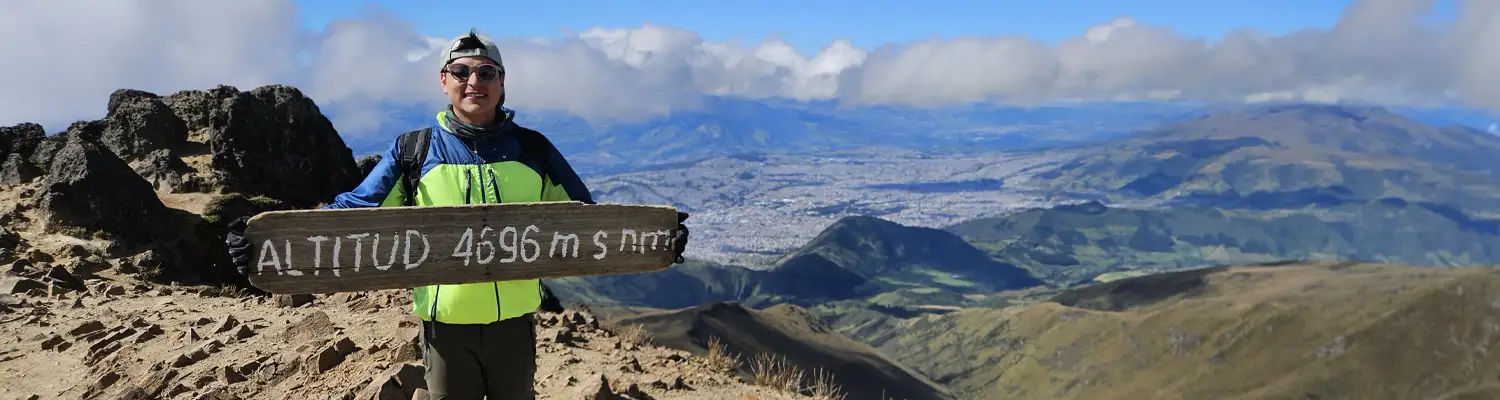
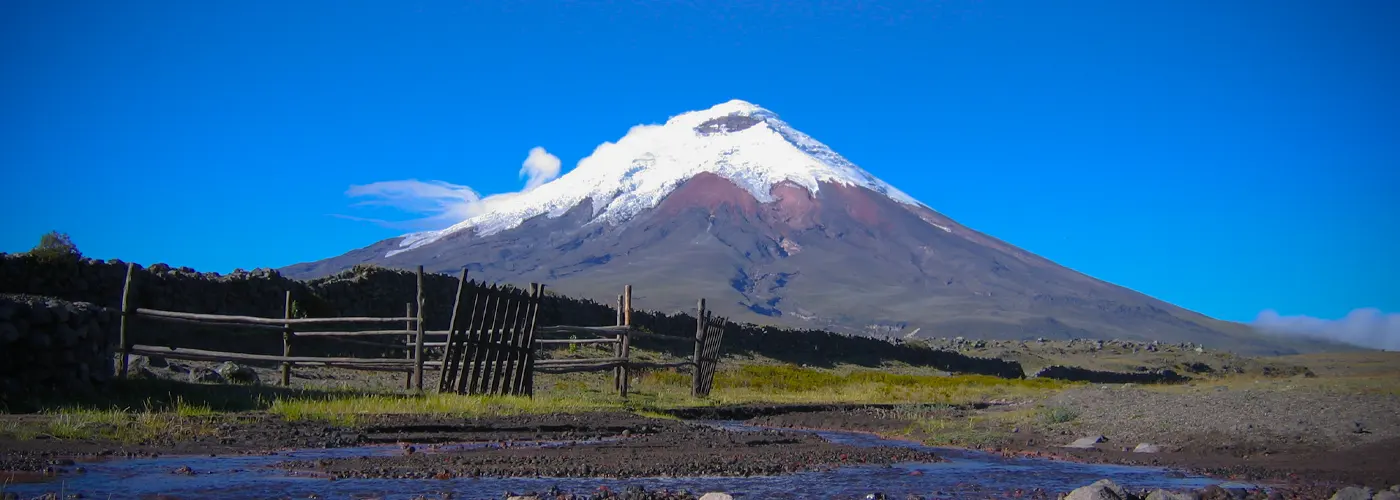
- High-altitude trekking and volcanic routes: More demanding activities, particularly summit attempts on mountains such as Cotopaxi or Chimborazo, involve altitude, changing weather and specific access requirements. For these activities, an experienced local guide can be essential. Other routes, such as the Quilotoa Loop, may be suitable for independent travelers depending on the route and preparation.
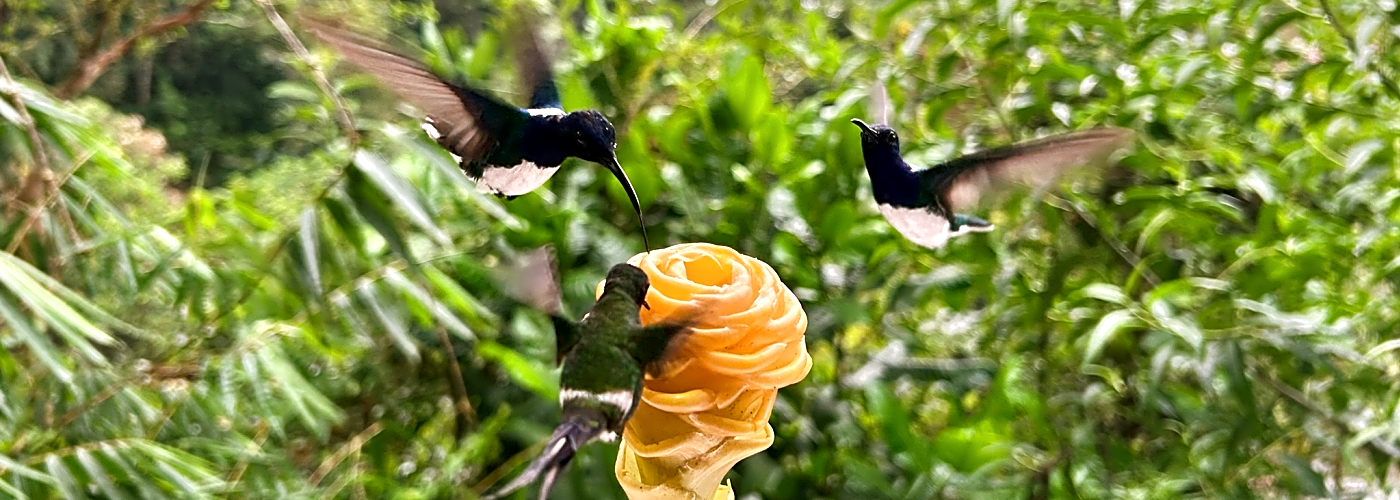
- Wildlife and birdwatching: Ecuador holds some of the highest bird diversity on Earth. Spotting endemic species in cloud forest or paramo requires trained eyes and ears. A specialist naturalist guide is the difference between seeing a habitat and understanding it.
- Cultural and community experiences: Visiting indigenous communities in the Sierra or the Amazon without proper introductions can feel extractive and uncomfortable for both sides. A local guide who has real relationships with these communities creates access and meaning that no guidebook can provide.
- Multi-region itineraries: Coordinating transport, altitude acclimatization, entry fees, and timing across the Coast, Andes, Amazon, and Galápagos simultaneously is where having a local travel specialist — not just a guide but someone managing your full Ecuador travel planning — saves significant time and stress.
Where You May Not Need a Private Guide

Being honest matters here. There are parts of Ecuador where a private guide is not essential for every moment:
- Exploring Quito’s Centro Histórico on foot during the day is manageable independently for most confident travelers.
- Wandering Cuenca’s streets, markets, and cafés on a free afternoon rarely requires formal guidance.
- Some well-marked nature reserves close to main towns can be visited independently with solid preparation.
The key word is preparation. Independent moments work best when the surrounding logistics — transport, accommodation, safety awareness — are already organized. Free time within a well-designed itinerary is very different from navigating everything from scratch.
What About Driving Yourself?
Renting a car in Ecuador is possible, and some experienced travelers do it successfully. Roads between major cities are generally paved and passable. However, there are real considerations worth understanding before deciding:
- Mountain roads can be narrow, steep, and subject to fog, rain, or landslide closures — conditions that shift quickly.
- Navigation apps do not always reflect road quality or closures accurately in more remote areas.
- Parking and urban driving in cities like Quito or Guayaquil can be stressful for first-time visitors.
- Local drivers — particularly those working with reputable operators — carry practical knowledge about conditions, timing, and alternative routes that no GPS can replicate.
Driving yourself is not out of the question, but for a first trip to Ecuador, most travelers find private transportation with a knowledgeable local driver a smoother and more revealing experience.
When Is a Private Guide Worth It?
A private Ecuador tour tends to provide the most value in these situations:
- First-time visitors who want depth, not just coverage
- Travelers with limited time who cannot afford logistical delays
- Families or multigenerational groups where pace and comfort matter
- Birdwatchers, naturalists, or wildlife enthusiasts who need specialist interpretation
- Travelers who want genuine cultural immersion, not surface-level tourism
- Anyone combining two or more regions — Andes, Amazon, Coast, Galápagos — in a single trip
- Travelers who value seamless logistics over the adventure of figuring things out
Before recommending any specific approach, a good local specialist would ask: What dates are you considering? Is comfort or flexibility your higher priority? Are there specific wildlife, cultural, or outdoor experiences that are non-negotiable for you? The answers shape everything.
Why Local Knowledge Matters
There is a meaningful difference between having a guide and having someone who genuinely understands the destination. A local expert can provide practical knowledge about current conditions, logistics, timing, local customs and the best way to connect different parts of the country. That perspective can be especially valuable when an itinerary combines several regions. That kind of current, granular knowledge is not available online — it comes from living and working in the country.
It also matters for timing. Ecuador’s weather patterns vary significantly by region and elevation. A local specialist can help you sequence a multi-region itinerary so that you arrive in the right place at the right time, rather than discovering after the fact that the paramo was under cloud for your entire Chimborazo visit.
Do You Need a Guide for the Galápagos?
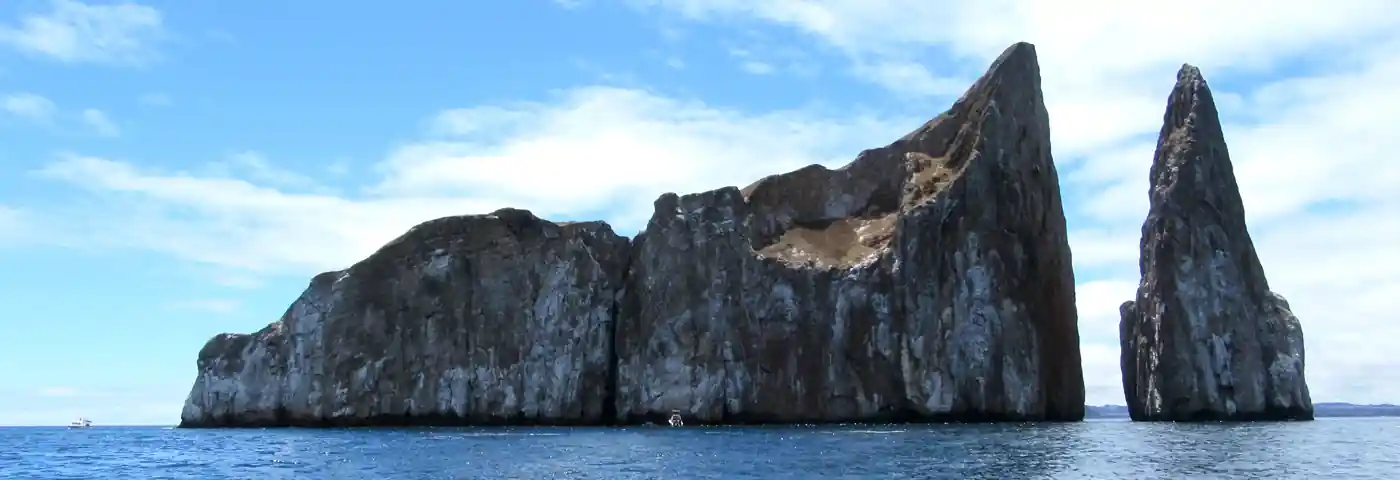
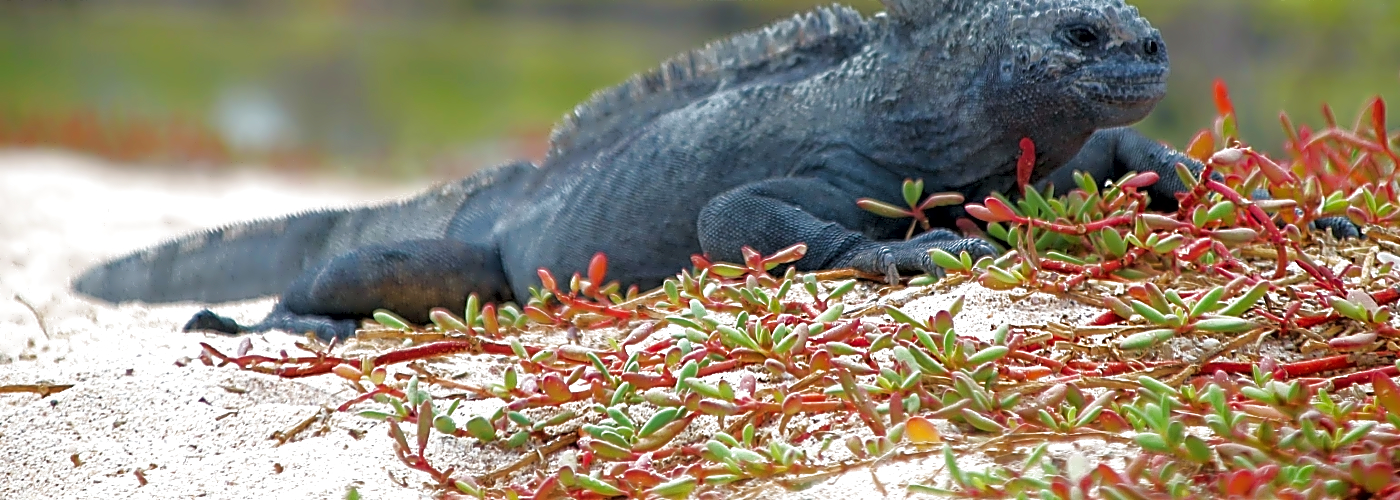
The Galápagos works differently from mainland Ecuador. The Galápagos works differently from mainland Ecuador. Many protected visitor sites require tourists taking part in organized visits to be accompanied by an authorized naturalist guide. This is part of the park’s visitor-management system. Whether you travel by cruise or on a land-based program, guided excursions are an integral part of most protected-area experiences. Specific requirements can vary by site and activity.Whether you travel on a Galápagos cruise or opt for a land-based program from Santa Cruz, guiding is built into the experience by design.
What varies is the quality and depth of interpretation. A certified naturalist guide who specializes in Galápagos ecology provides a level of context — behavioral observation, evolutionary history, conservation challenges — that elevates an already extraordinary destination. If the Galápagos is part of your trip, it is worth exploring your Galápagos travel options carefully to match the format and guide quality to your interests.
The Best Approach May Be a Mix
Many travelers find that the most satisfying Ecuador trips are neither fully independent nor fully guided for every moment. A thoughtfully designed itinerary might include:
- Private transportation with a local driver throughout
- Specialist naturalist guides for wildlife-focused excursions
- Community-led experiences in indigenous territories
- Free time built into afternoons in cities like Quito or Cuenca
- A coordinated Galápagos segment with expert naturalist interpretation
This kind of structure gives travelers the depth and access of guided expertise while preserving the personal freedom that makes travel feel like travel.
Is a Private Ecuador Tour Right for You?
A well-designed private tour is not about being escorted everywhere — it is about having the right support in place so that every part of your trip runs smoothly and every experience is as rich as it can be. Private pacing, hand-selected accommodation, local guides with genuine expertise, and a coherent travel itinerary designed around your specific interests are the practical benefits.
Soleq Travel is a Quito-based boutique travel specialist that designs private, personalized journeys through Ecuador and the Galápagos. The team works with travelers before they arrive to understand what matters most — whether that is birdwatching in cloud forest, visiting an Amazonian community, or standing at dawn on a volcanic crater. The result is an itinerary built around you, not a standard template.
Explore private Ecuador tours designed for travelers who want local expertise, seamless logistics, and experiences that go beyond the surface.
Frequently Asked Questions
Do you need a guide in Ecuador?
Not for every moment or destination, but local guides add significant value in the Amazon, on high-altitude trekking routes, for wildlife experiences, and when managing multi-region itineraries. Some urban areas and well-marked sites can be explored independently by confident travelers.
Can you travel Ecuador independently?
Yes, independent travel is possible in Ecuador, particularly in cities like Quito and Cuenca. However, remote regions, the Amazon, and demanding outdoor activities typically benefit from local guidance for safety, access, and depth of experience.
Is it easy to drive in Ecuador?
Driving between major cities is generally manageable, but mountain roads can be narrow and weather-dependent, and navigation apps may not reflect real-time conditions in more remote areas. Many first-time visitors find private transportation with a local driver more practical and informative.
Do you need a guide in the Amazon?
For remote Amazon experiences, particularly lodge-based journeys in areas such as Yasuní and the Napo basin, local guides are an important part of navigating the environment, understanding wildlife and coordinating access. Independent travel can be possible in some gateway areas, but it is very different from an immersive rainforest experience.
Do you need a guide in the Galápagos?
Yes — accessing most visitor sites within the Galápagos National Park requires a licensed naturalist guide by law. Whether you choose a cruise or a land-based program, guiding is an integral and regulated part of the Galápagos experience.
When is a private guide in Ecuador most worth it?
Private guides tend to offer the most value for first-time visitors, travelers combining multiple regions, wildlife and birdwatching enthusiasts, families, and anyone with limited time who wants depth over logistics management. The more specific and meaningful your goals, the more a knowledgeable local guide can help you reach them.
Ecuador rarely rewards the purely transactional approach to travel — the more you invest in understanding it, the more it gives back, and finding the right balance between independence and local expertise is often where the best trips begin.