
The Decision That Defines Your Travel
Let me share something I discovered during my travels through South America: it’s not simply about choosing between Ecuador and Peru. It’s about choosing what kind of traveler you want to be, what kind of stories you want to carry home, and what transformation you wish to experience under the Andean sky.
Having recently spent time in both destinations, I found the reality to be eye-opening. Ecuador and Peru are not competitors for your attention; they are two completely different narratives of what it means to explore South America. Each offers something unique, nearly incomparable. And most importantly: both deserve your time.
Ecuador: The Compressed Wonder
Why Ecuador is Extraordinary
To be honest, discovering the true nature of Ecuador changed my understanding of biodiversity. This country—roughly the size of Colorado—contains a concentration of wildlife and ecosystems that defies logic. It is as if Nature decided to test every one of her secrets within a single, condensed space.
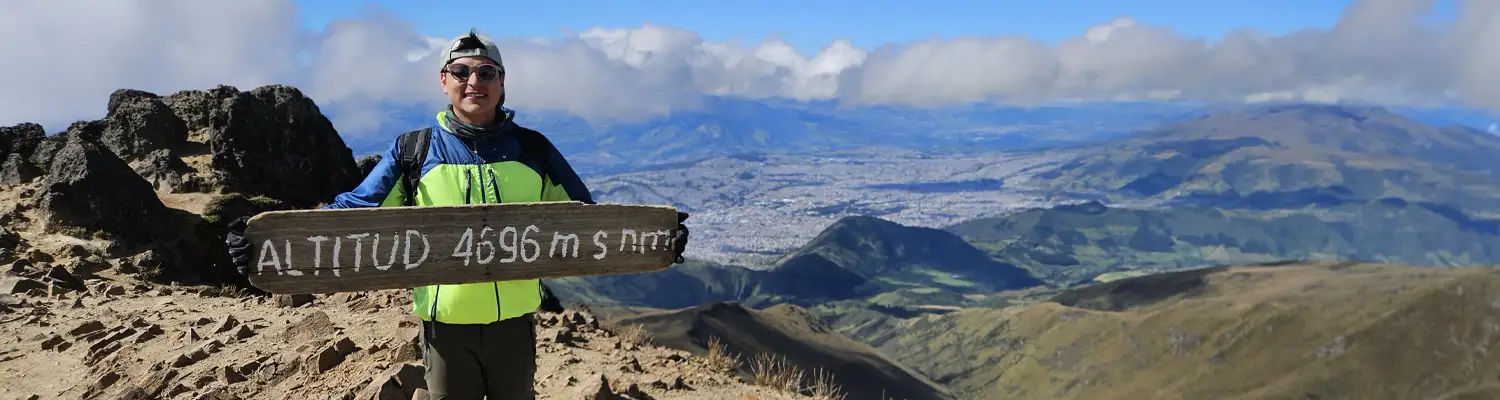
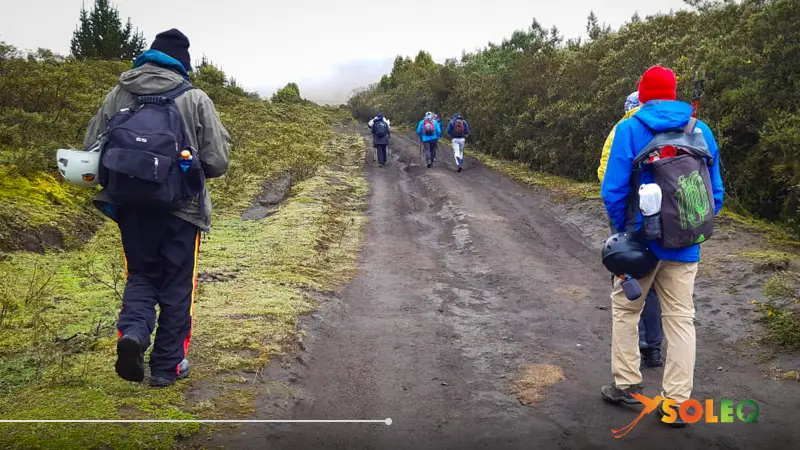
Imagine this: you can wake up in the Amazon rainforest at 600 feet, where the air is thick with humidity and life pulses in every shadow. By noon, you can travel to Andean volcanoes at over 13,000 feet, where the air is crystalline and the solitude is absolute. And you can end your day on the Pacific coast, watching the sun disappear over the ocean.
The Magic of the Galápagos
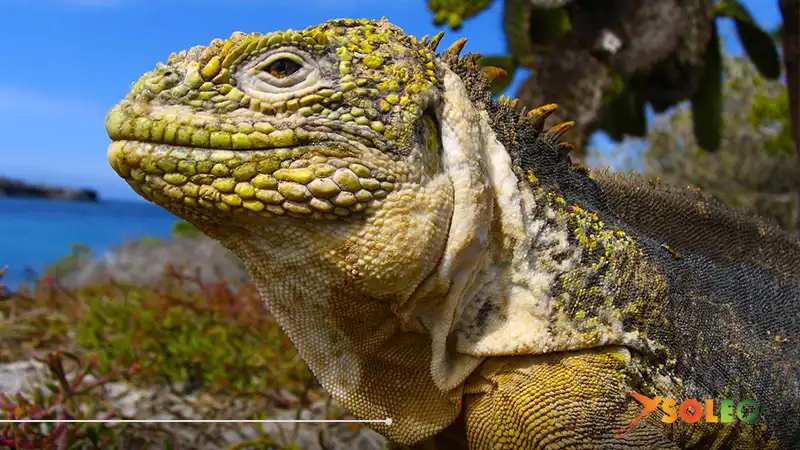
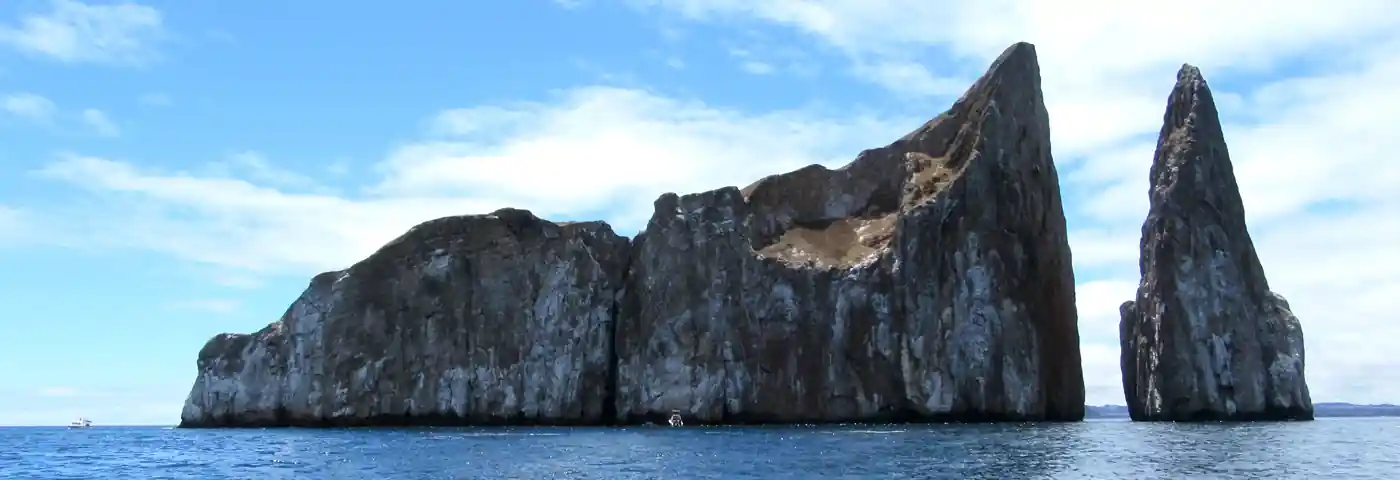
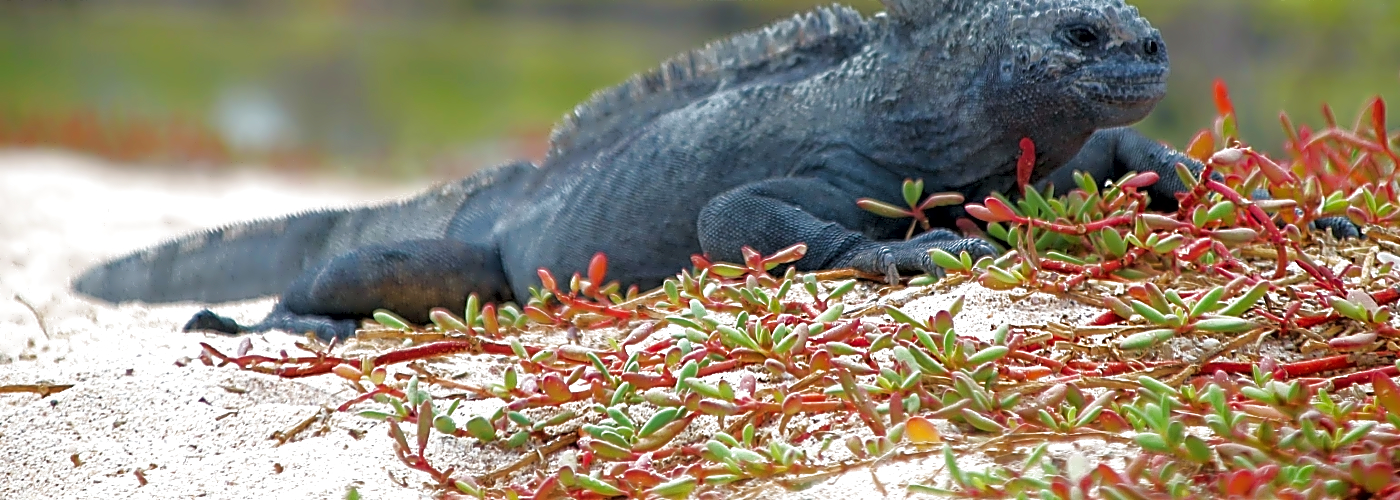
But what truly sets Ecuador apart is the Galápagos. These aren’t just islands; they are a living laboratory where evolution wrote its most fascinating chapters. The Galápagos offer encounters impossible anywhere else on earth: marine iguanas diving for food, giant tortoises that have seen two centuries pass, and finches that provide the best biology lesson you’ll ever receive.
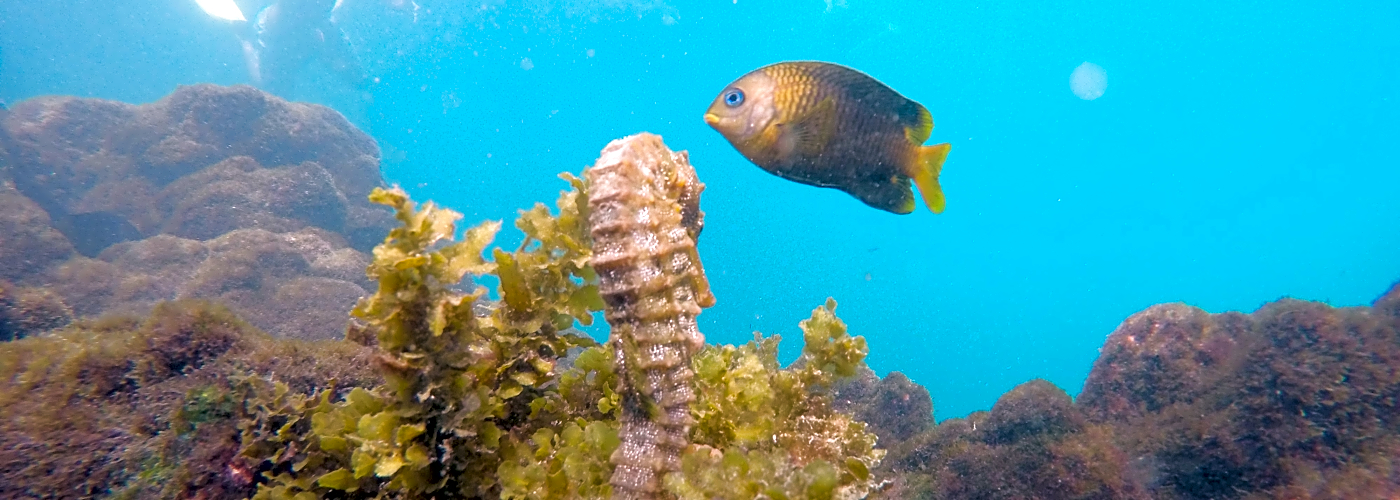
While I was in the Galápagos this past December, I was fortunate to experience brilliant sunny days and the chance to snorkel in the purest waters I’ve ever seen. The underwater visibility, the abundance of marine life, and the proximity to species that lack any fear of humans created moments that deeply transformed my connection to the natural world.
Volcanoes, Jungle, and Living Heritage
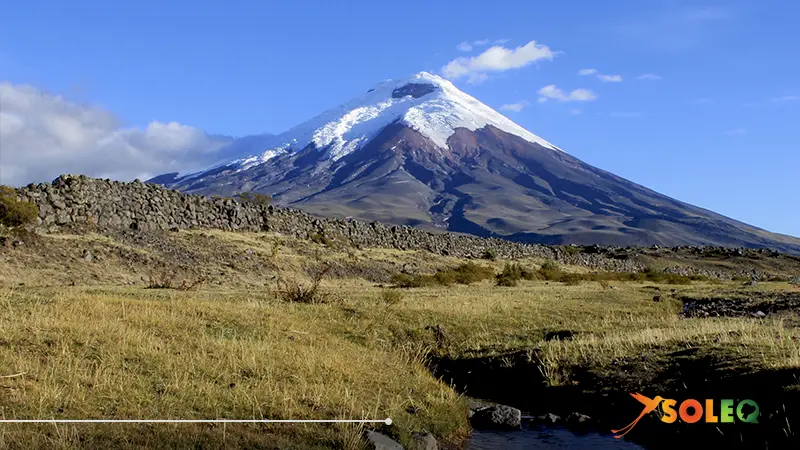
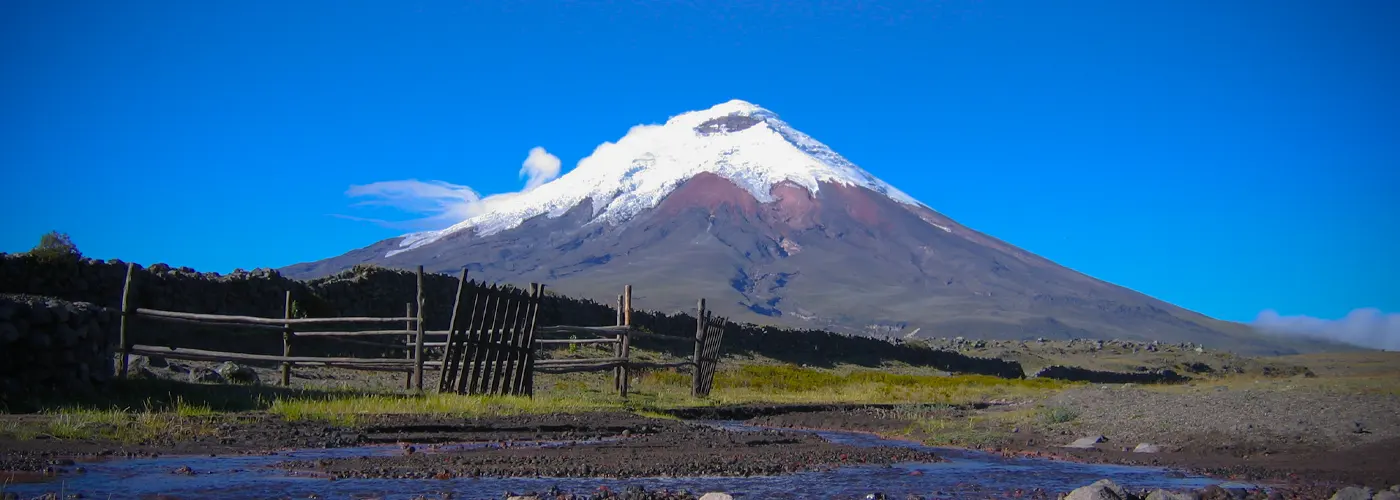
The “Avenue of the Volcanoes” is aptly named. Ecuador’s volcanoes are not mere mountains; they are sacred beings to the indigenous communities living at their feet. Cotopaxi, one of the highest active volcanoes in the world, dominates the Andean landscape. Even from 30 miles away, you can feel its presence—a palpable energy.
The Ecuadorian Amazon, though smaller in total area than Peru’s, packs an extraordinary density of biodiversity. In a single six-day expedition, we spotted over 150 species of birds, neon-colored amphibians, and monkeys whose calls echoed through the canopy.
Then there is Quito, the capital and a UNESCO World Heritage site. It isn’t just a pretty colonial city; it is a living museum where every corner of the Historic Center tells stories of Pre-Inca civilizations, Inca rule, Spanish colonization, and Latin modernity—all layered within the same space.
The Revolutionary Power of "Compact"
Here is the genius of Ecuador: its compact size is not a limitation; it is its greatest strength. You can spend 10 days in Ecuador and experience four or five completely different ecosystems. You don’t need three weeks to “cover” the country in a meaningful way. This means less time spent on logistics and more time truly living in each destination—less fatigue, more presence. For travelers with limited time, Ecuador offers a density of experience that is impossible to find elsewhere.
Peru: The Empire Written in Stone
Grandeur That Inspires Awe
When I entered Machu Picchu—at a time when, statistically, it should have been raining—the Lost City of the Incas emerged from the Andean mist like an apparition. I had seen the photos for decades. I had read the academic descriptions. But nothing—absolutely nothing—prepares your body and spirit for the actual moment of being there.
Peru, in contrast to Ecuador, represents depth over breadth. This is the heart of the Inca Empire, the Tahuantinsuyo, which once spanned from Colombia to Chile. Especially here, in the mountains surrounding Cusco, you feel the weight of history in every stone.
Machu Picchu: Beyond the Tourism
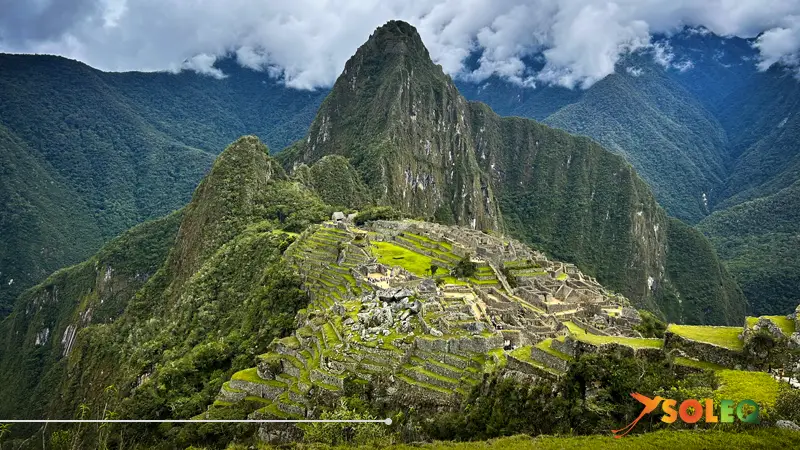
There is a phenomenon that occurs when you are at Machu Picchu that I cannot fully explain. Even with other travelers present, there are moments—especially in the early morning or at sunset—when the site speaks to you. The open plazas, the agricultural terraces suspended in the sky, the Temple of the Sun with its architectural precision… it defies the fact that it was built 500 years ago without modern tools.
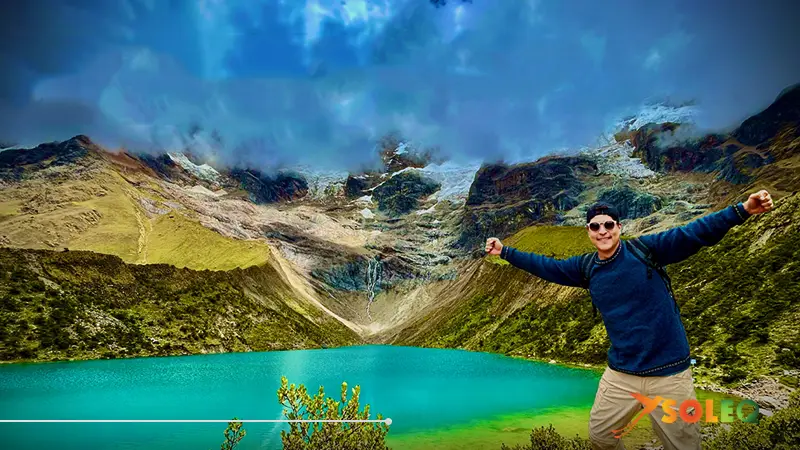
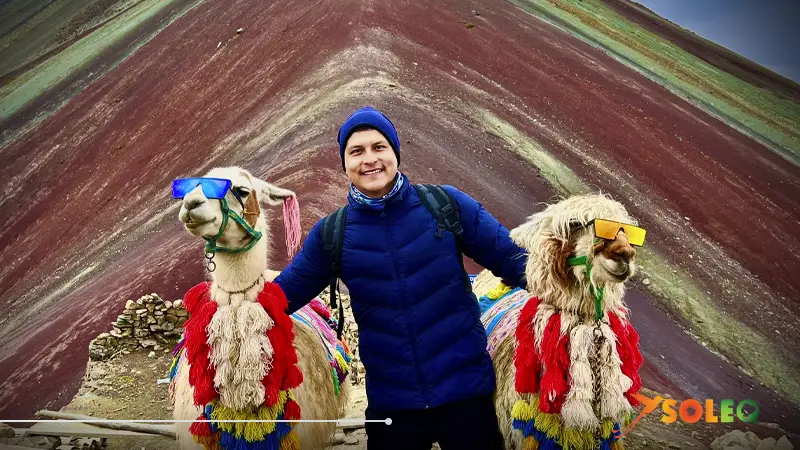
What many travelers don’t realize is that Machu Picchu is only the climax of a much deeper narrative. While it is the most sophisticated expression of Inca ingenuity, the full context of that greatness is best understood through the Sacred Valley, Ollantaytambo, Cusco, and high-altitude excursions like Vinicunca (Rainbow Mountain) and Humantay Lake.
Archaeological Depth
What Peru offers that Ecuador cannot match is its archaeological depth. And we aren’t just talking about Machu Picchu. Vinicunca is a geological spectacle where millions of years of mineralization have revealed a natural rainbow in the stone. Humantay Lake, with turquoise water set against active glaciers, offers something that rarely exists in Ecuador: pure high-mountain alpine scenery. Arequipa, the “White City,” and the Colca Canyon, where Andean condors fly lower than the human gaze, reveal yet another facet of Peru. These are not secondary destinations; they are world-class experiences that deserve multiple days of exploration.
The Gastronomy
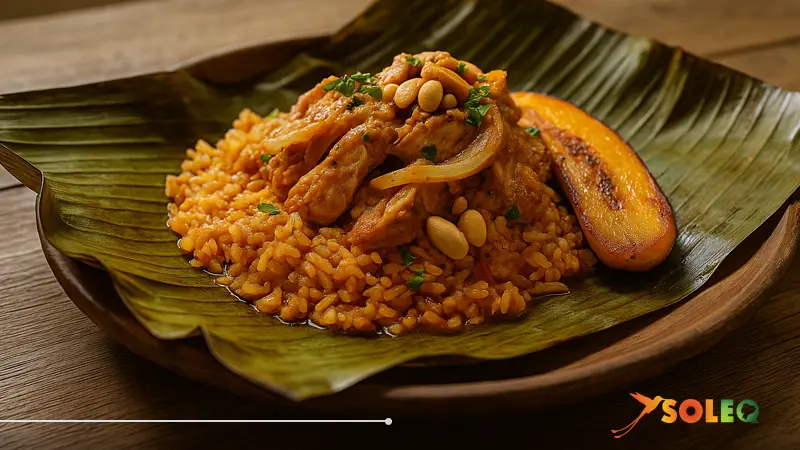
On a journey through Ecuador and Peru, gastronomy ceases to be a mere complement and becomes a primary reason for the trip. Here, every dish is territory, history, and emotion served at the table.
In Ecuador, natural diversity translates into a cuisine deeply connected to the landscape. From the vibrant freshness of coastal ceviche to the comforting warmth of a highland locro de papa or the ancestral flavors of the Amazon, each region offers a distinct experience. It is an authentic, generous cuisine where the origin of every ingredient is respected and felt.
Peru, meanwhile, displays one of the world’s most celebrated culinary traditions. Its gastronomy is a masterful fusion of indigenous heritage, colonial influences, and contemporary creativity. Ceviche, causa limeña, or ají de gallina are not just dishes; they are symbols of identity, refinement, and constant evolution.
The truly extraordinary happens when you experience both cuisines in one trip. The subtlety of Ecuador complements the intensity and sophistication of Peru, creating a gastronomic journey that awakens the senses and connects cultures. This isn’t just about eating well; it’s about discovering the soul of two countries… bite by bite.
Geographic Scope and Diversity
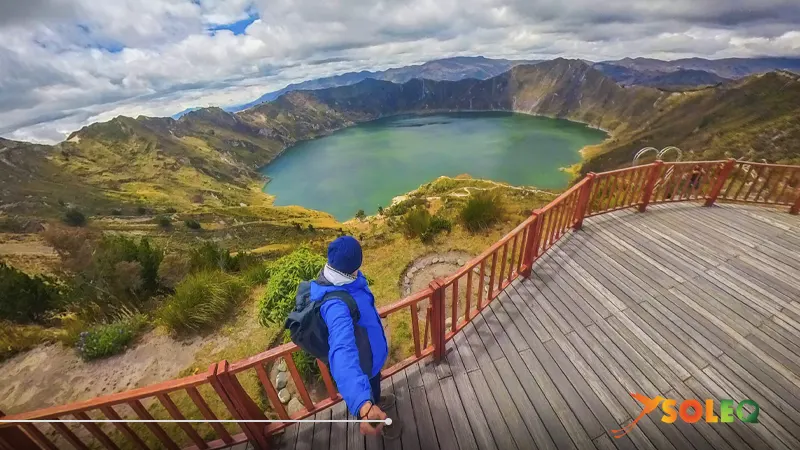
Peru requires more time because its ecosystems are more dispersed. To truly experience Peru, you must account for the desert coast, the Andean peaks, and the Amazon. This means an optimal Peruvian experience requires a minimum of 15–20 days. It is a larger investment of time, but the reward is a profound understanding rather than a superficial collection of sights.
The Direct Comparison: What Matters
Accessibility and Ease of Travel
Ecuador wins on compactness. You can move between radically different ecosystems in hours, not days. The infrastructure is excellent, and logistics are seamless.
Peru requires more transit time, but this isn’t a weakness—it’s the reality of exploring a larger, more complex nation.
Wildlife Experience
Ecuador offers unique encounters: the Galápagos is irreplaceable. The cloud forests where quetzals live. The dense Amazonian jungle.
Peru offers a cultural dimension within nature. The glaciers of Salkantay. The Amazon of Madre de Dios. Above all, the integration of history into the natural landscape.
Cultural Experience
Ecuador: Vibrant living indigenous cultures, but less “monumental” in terms of archaeology.
Peru: World-class archaeological sites. Cusco as an imperial capital. The weight of history is inescapable and tangible.
Turn This Dream Into Your Next Destination
If your heart is calling you to explore Ecuador, Peru, or both, Solecu Tours is here to transform that vision into reality.
Since 2006, we have designed personalized itineraries for thousands of travelers, combining impeccable logistics and specialized certified guides with a genuine commitment to sustainable tourism. We don’t believe in generic itineraries.
We believe in journeys where every detail is carefully orchestrated, where local guides are the custodians of their cultures, and where your personal rhythm is respected. We prioritize the conservation of these fragile destinations so that every day surprises you.
Do you feel the call? Contact us today. Tell us what kind of traveler you are and what your vision entails. From Quito to Cusco, from the Galápagos to Machu Picchu, we will design the adventure that defines the next chapter of your story.
Because here is the truth: Ecuador and Peru are not just destinations. They are transformations waiting to happen.