Three years ago, we were on the Galápagos island of Santa Cruz with our children — then ten and fourteen years old — and watched as a sea lion lay in the middle of the pier while a cluster of people formed, their evening stroll interrupted by the living obstacle. Some carefully squeezed past the sea lion with as much distance as possible (the required 2 m (6.5 ft) distance from animals could not be maintained in this case), while a couple with a pinched expression on their faces — clearly indicating they thought the sea lion didn’t know its place — simply tried to step directly over the animal with one large stride. Although the sea lion appeared to be sleeping peacefully, it reacted immediately and snapped at the woman’s skirt. Nothing happened beyond a hole in the skirt and a major fright, but in that moment I understood that a Galápagos family trip is not just a vacation, but a journey where nature itself becomes the teacher. A question I’m repeatedly asked by parents is: Are the Galápagos really suitable for families? The answer is clear: Yes — but with some caveats.
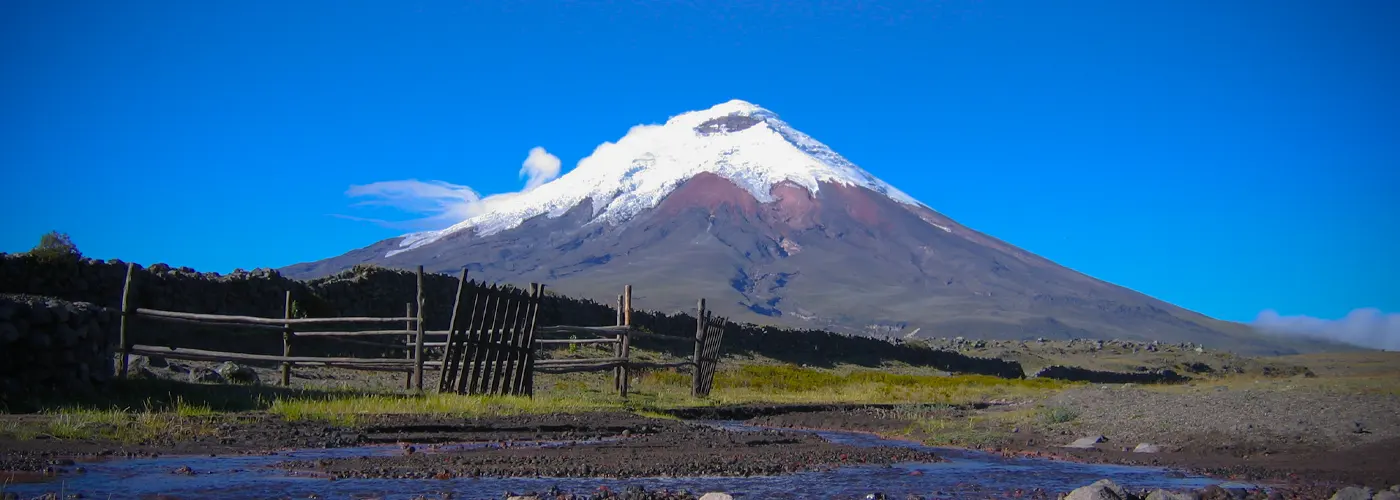
The Galápagos Islands lie approximately 1,000 kilometers (620 mi) west of Ecuador in the Pacific, directly on the equator, where ocean currents converge and a unique flora and fauna has evolved that exists nowhere else on Earth. On a Galápagos family trip, your children don’t spend hours walking through a natural history museum — instead they learn while standing on the beach in awe, watching giant tortoises older than their great-grandparents.
For Ecuador’s population and especially for the island communities, the Galápagos represent a national sanctuary — not only ecologically, but culturally. Since 1978, the islands have been a UNESCO World Heritage Site, and access to visitor sites is strictly regulated to protect this ecosystem. This means for every traveler: compared to other popular tourist destinations, visitor density is low and there’s still a rare sense of exclusivity.
What makes Galápagos truly exceptional for families?
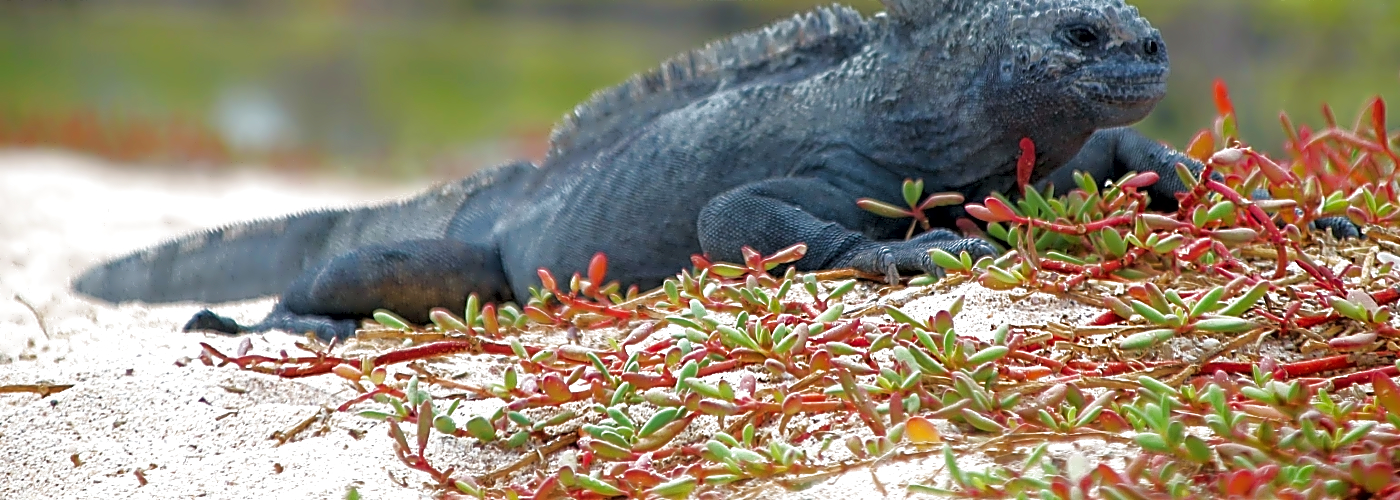
Four elements make a Galápagos family trip unique. First: direct encounters with wildlife that have no fear of humans — no fences or glass barriers, but real animals in their natural environment. Second: geological diversity within a small area — black lava fields, white coral sand beaches, turquoise bays. Third: the sense of adventure without extreme risks, if you follow the rules. Fourth: the educational value that cannot be conveyed in any classroom — Darwin, evolution, ecology become tangible and emotionally anchored here. Unlike many family destinations, nature is the protagonist here, not commerce.
Which age groups are the Galápagos Islands suitable for?
We’ve been to the Galápagos Islands every four years since our eldest was two months old. So we’ve tested trips with children in every age group. Children from about seven years old can meaningfully experience the Galápagos. Under six years becomes challenging, not because of physical demands, but because attention span, trip duration, and the necessity of observing rest periods become difficult. Additionally, they retain only very limited memories of experiences at such young ages. Ages seven to twelve are optimal — children understand concepts like evolution and ecology intuitively, but still have the childlike capacity for wonder and aren’t yet too preoccupied with themselves. For teenagers thirteen and older, it should be clear beforehand: Are they interested in nature or more in beaches and activities? The Galápagos don’t work equally well for all teenagers. If a teenager’s main interest is shopping, you can try to shift the focus through a contrasting program, but then phone use should also be restricted in parallel, otherwise there’s the danger that the teenagers are mentally somewhere else entirely and it becomes a very expensive but failed experiment.
My recommendation for the ideal age would be between 9 and 14 years (with considerable individual variation): physical endurance is present, cognitive abilities are developed enough to understand the significance, and they’re not yet too caught in phone dependency.
Best travel time for a Galápagos family trip
The Galápagos have two seasons. The dry season from June to November brings cooler winds, less rain and — paradoxically — richer marine wildlife observations, as upwelling currents bring abundant food. Water temperature is around 18-21°C (64-70°F). The rainy season from December to May is warmer (water around 24-28°C / 75-82°F), with daily intense rain showers. Plants bloom and you don’t need a wetsuit for snorkeling during this time.
I would recommend July through September for families. You need time for such a trip, and in all European countries the long summer vacations fall during this period. On Galápagos the conditions are stable, wildlife is active, and with overcast weather it’s not quite as critical to reapply sunscreen every few hours and wear a head covering at all times. For an active destination like the Galápagos Islands, cooler air temperatures are an advantage. Both seasons have benefits, depending on whether you tolerate heat well or prefer being active in moderate temperatures.
Cruise or island-hopping: What works better for families?
This is the most critical decision for a successful Galápagos family trip. Two options are possible:
Island-hopping option: You stay in a hotel on one island — usually Santa Cruz, San Cristóbal, or Isabela — and take day trips by boat. Advantages: You sleep in a stable bed, there are flexible rest periods at the pool or beach, and you only need to worry about seasickness intermittently if at all. Disadvantages: You visit fewer uninhabited islands, and some remote islands are not accessible from the inhabited islands.
Cruise option: You stay aboard a cruise ship and visit multiple islands, including uninhabited ones. Advantages: Greater geographic diversity than island-hopping, generally more exclusive nature experiences. Disadvantages: Seasickness can affect anyone, the schedule is tighter, and the psychological strain of a constantly moving sleeping quarters should not be underestimated.
My personal recommendation: For a first visit with younger children, the island-hopping option is more affordable and flexible. After a successful first visit, you can consider a cruise 2-3 years later with older/more independent children.
Who is Galápagos NOT suitable for?
Galápagos is spectacular, but not the right destination for every family. I would advise against it if:
- You have children under seven years old — the trip duration and necessary patience typically overwhelm children at this age
- You have a very tight budget — the Galápagos are not budget-friendly, and compromising on quality significantly diminishes the experience
- Your children aren’t interested in nature and wildlife observation
- Extreme seasickness is an issue in the family — boat transfers are necessary and can be demanding
- You’re not willing to adapt to strict conservation rules — the UNESCO protected area concept means boundaries, and these are non-negotiable
That said: With good planning and realistic expectations, many families who describe themselves as “not particularly adventurous” intensely enjoy this experience.
What to bring on a Galápagos family trip
Practical equipment for your family:
- Snorkel equipment: Modern masks for children in the correct size. Avoid cheap equipment — it causes discomfort and frustration. Most tour operators provide equipment, but your own is often better
- Sun protection: The equatorial sun is intense. High-factor sunscreen (50+) for children (waterproof), hats, sunglasses
- Light, practical clothing: Quick-dry fabrics, not too many layers. Temperatures are mild, but wind can be cool
- Hiking shoes: With good tread for lava rock. The trails are short (1-3 km / 0.6-1.9 mi), but the terrain is rough and demanding
- Motion sickness medication: In case seasickness becomes a problem. Discuss with your doctor which options are safe for children
- Good cameras and/or smartphones: Note: Network coverage on the islands is limited — this is actually a blessing, not a problem
Practical arrival and logistics
The route to the Galápagos goes through Ecuador. Most international flights land in Quito or Guayaquil. From there you fly to the Galápagos — flights to Baltra (north of Santa Cruz) or to San Cristóbal. Flight time from Quito is approximately 2.5-3 hours.
Cost for an organized Galápagos family trip with accommodations on one or more of the inhabited islands (5 days): between 1,000 and 2,000 euros per person, depending on hotel category, day trips, and children’s ages. That sounds substantial, yes — but for a once-in-a-lifetime experience in a UNESCO World Heritage Site, it’s justified.
My recommendation: Simply tell us what you want to do and we’ll create the trip exactly according to your wishes.
What your children really take home — the emotional component
In my experience, the most lasting souvenir of a Galápagos family trip is not a photo or memento, but a shift in the perception of nature. Children instinctively understand that these animals are ancient, that this place is fragile, that their decisions (how much plastic they use) have consequences. These lessons are sometimes uncomfortable — but they are transformative.

Frequently asked questions about Galápagos family trips
How long should a Galápagos family trip last?
At least 5-6 days on the islands, plus 1-2 days for arrival and departure. Less than 5 days makes the trip feel rushed and the short time isn’t worth the considerable effort. 7-10 days are ideal to visit two different islands and enjoy the rhythm without constantly switching between locations.
Are the Galápagos safe for families?
Yes. Infrastructure on the islands is moderate to good, medical care is available (Quito has excellent clinics for emergencies), and the environment is highly controlled. The main risks are nature-related (heat, seasickness), not safety-related.
Can children snorkel?
Yes, if they can swim. The reefs are shallow and protected. Children from about six years old with swimming ability can snorkel under guidance. Visibility is often 10-20 meters (33-66 ft), and the experiences — sea lions, fish, sometimes reef sharks — are intense and safe.
What about seasickness?
A real issue for some families. Modern boats are more stable than before, but the crossing between islands can be rough. Medication prophylaxis, seasickness bands, and psychological preparation help. The island-hopping option significantly minimizes this risk.
Plan your trip with children to the Galápagos
A Galápagos family trip is not an ordinary vacation. It’s the moment when children grasp that nature is not decoration — but life. Not as screen content, but as an animal lying directly next to them in the sand.
Every family brings their own story. What we do at Soleq Travel: We listen before we plan. Because the question is not “Which islands do we visit?” — but “What should your child take away from this trip?”
Planning a family journey that goes beyond the Galapagos? Our private Ecuador tours can combine the islands with the Andes, Amazon or other regions in a tailor-made itinerary designed around your family’s pace, interests and comfort.
Since 2006 we’ve been planning trips for families to these islands. We know the quiet bays where children can snorkel safely. The trails that are manageable for small legs. And the moments that burn themselves into memory — a sea lion pup sleeping, a tortoise slowly passing by you.
Set out. Discover. Wonder.