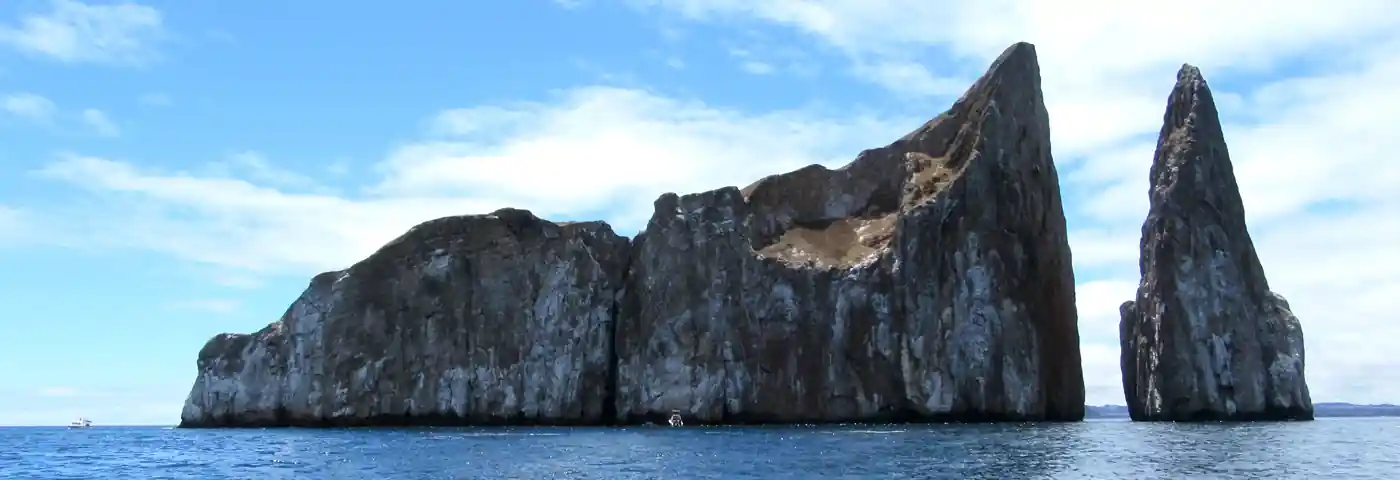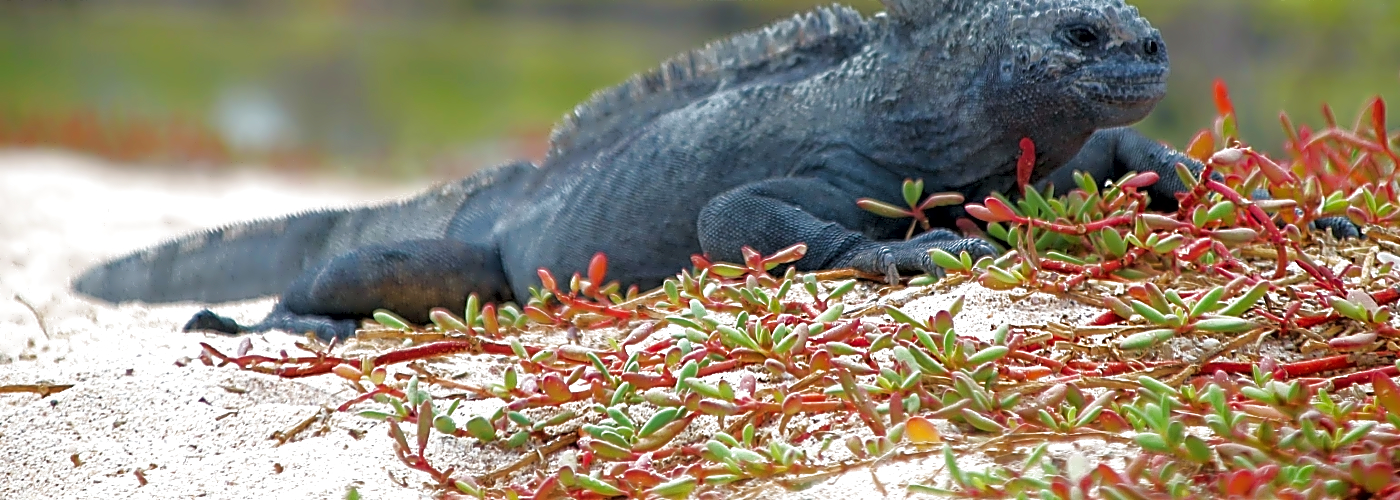
In the Galápagos Islands, sustainability isn’t a buzzword—it’s a biological imperative. The extraordinary biodiversity of this archipelago hangs in the balance, and every traveler plays a measurable role in its preservation.
The Islands, a UNESCO World Heritage Site, harbor over 2,900 endemic species. Yet this irreplaceable wildlife remains fragile: 30% of animal and plant species face extinction. Here, sustainable tourism isn’t optional—it’s essential for survival.
This article demonstrates how your journey can directly advance conservation efforts—not through sacrifice, but through informed, purposeful travel.
What Makes Galápagos So Unique?
Three elements distinguish the Galápagos Islands as an ecological treasure: unparalleled biodiversity, dynamic geological processes, and remarkably pristine landscapes. Unlike other wildlife destinations, the focus here isn’t primarily on finding animals—it’s about respectful encounters with species that have evolved without fear of humans.
The Ecological Footprint of Travelers
Every visitor leaves traces—the question is which kind. With sustainable Galápagos travel, these traces can be positive. Specifically, this means:
- Supporting local conservation projects
- Minimizing plastic consumption
- Booking with certified sustainable tour operators
- Strict adherence to park regulations
Practical Guidelines for Sustainable Travel in Galápagos
Sustainability begins with deliberate choices. My essential recommendations:
- Select tour operators with environmental certifications
- Eliminate single-use plastics
- Maintain prescribed distances from wildlife
- Stay on designated trails
The Economic Dimension of Sustainability
Sustainable tourism generates local employment and income. Every dollar spent locally supports island communities and conservation initiatives.

Frequently Asked Questions
Look for certifications such as Travelife, book with tour operators demonstrating clear sustainability commitments, and research the conservation projects your tour supports.
Absolutely. Numerous projects demonstrate measurable progress: species recovery programs, plastic reduction initiatives, and education campaigns are producing documented results.
Conclusion: Your Journey as Conservation Contribution

Sustainable tourism in Galápagos transcends trends—it’s a biological necessity. Every journey can meaningfully contribute to protecting this irreplaceable ecosystem.
If this article has sparked your interest, contact us at Soleq Travel. We design journeys that unite conservation with unforgettable experiences.