The first time I swam beneath the surface around the Galápagos Islands, I suddenly understood why Darwin described this archipelago as “a little world within itself.” Galápagos snorkeling is not simply an activity — it’s an encounter with a world that exists nowhere else on the planet. Turquoise currents, silvery schools of fish, and the surreal feeling of swimming inches from a sea turtle define every moment.
The Galápagos Islands lie roughly 621 miles (1,000 km) west of Ecuador’s mainland in the Pacific, with the archipelago comprising 19 major islands and over 200 smaller ones. The underwater world here is a biological sensation: the cold Humboldt Current meets warm currents, creating biodiversity that bridges tropical coral reefs and arctic habitats. For snorkelers, this means an unfiltered nature experience.
For the Galápagos population and Ecuadorian institutions, the ocean surrounding these islands is far more than a tourism backdrop. It is a sacred natural space, a labyrinth of ecosystems under strict protection. The Galápagos Marine Reserve covers approximately 53,300 square miles (138,000 km²) and operates under world-renowned sustainability guidelines. Snorkeling here is not a casual activity but a responsible approach to one of Earth’s last intact marine ecosystems.
What Makes Galápagos Snorkeling So Extraordinary?
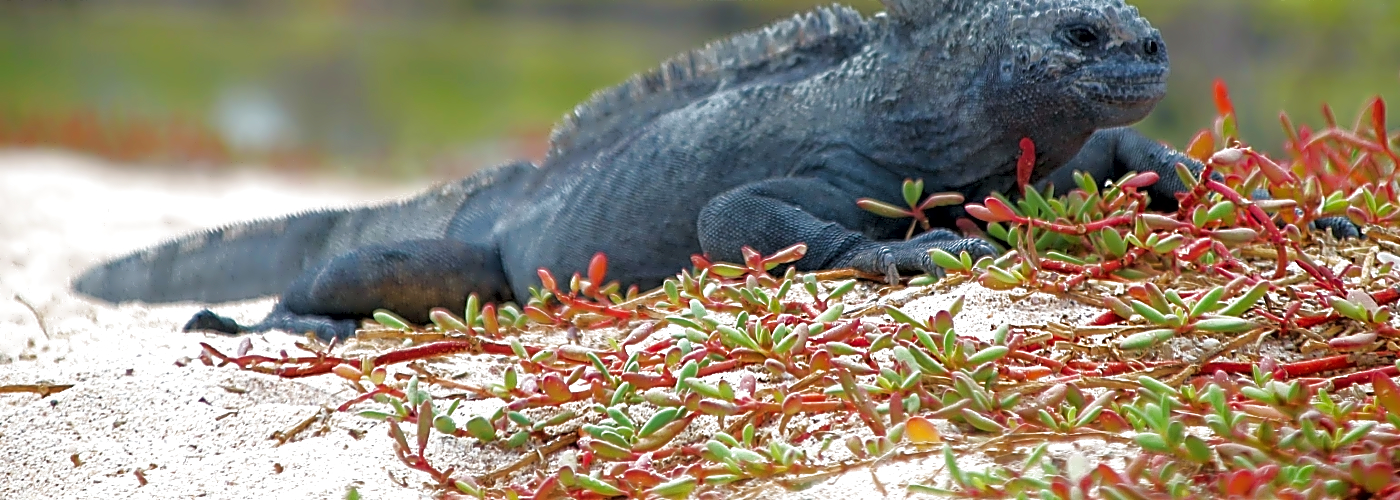
Snorkeling in Galápagos differs fundamentally from Caribbean experiences or Southeast Asian coral reefs. Three elements make this experience unique: First, the endemic fauna — Galápagos sea lions, Galápagos penguins (the only ones north of the equator), and hammerhead sharks swimming in formation near the surface. Second, the animals’ lack of fear toward humans: turtles and fish ignore snorkelers because the islands have no natural terrestrial predators. Third, the contrasting ecosystem — cold rocky coasts with seagrass meadows alongside volcanic rock formations, all inhabited by species that exist nowhere else.
The Best Snorkeling Spots in Galápagos
Champion Island lies east of Santa Cruz and offers two snorkeling zones: the “reef edge” at 6.5 to 26 feet (2 to 8 m) depth, where white-tip reef sharks and parrotfish are common, and the “sea turtle zone” with sandy bottoms at 13 to 20 feet (4 to 6 m), where every other dive guarantees one or more sea turtles. I swam here in July — visibility was about 49 feet (15 m), temperature 68°F (20°C) — and experienced an unforgettable moment: a turtle swam beside me, without fear, only curiosity.
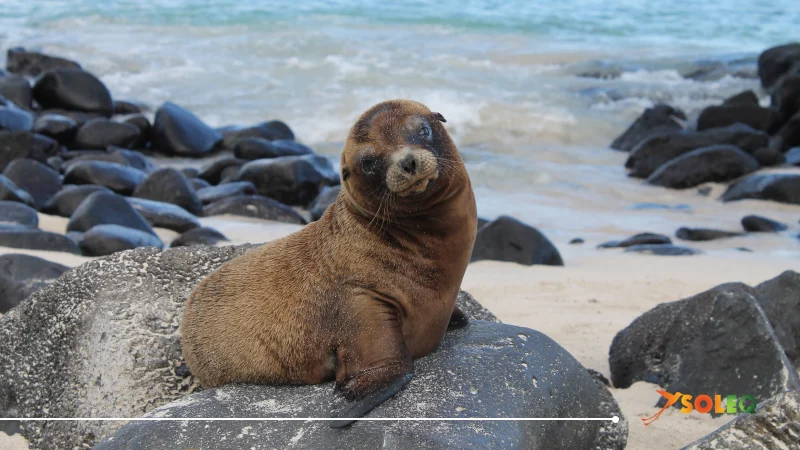
Genovesa Island, the northernmost atoll, is famous for “Darwin Bay,” a natural bay with gentle currents. Here red sea lions congregate in playful groups, and lead-colored sharks patrol nearby. Visibility is exceptional — often 65+ feet (20+ m). Fernandina Island belongs to the wildest islands of the archipelago and is reserved for experienced snorkelers: here Galápagos penguins meet green sea turtles and occasionally seahorses in seagrass meadows. Española Island impresses with shallow water off Punta Suárez (6.5 to 10 feet / 2 to 3 m deep) with emerald-green seas and enormous concentrations of Galápagos sea lions that swim curiously around snorkelers.
Access and Practical Organization
Access to Galápagos snorkeling occurs almost exclusively through an organized cruise or land-based tour program. Individual day trips do exist from the inhabited islands Santa Cruz and San Cristóbal, but they only cover the immediately adjacent, tourism-intensive spots. True snorkeling adventures require a 7- to 10-day cruise departing only from the port in Puerto Baquerizo (San Cristóbal) or Puerto Ayora (Santa Cruz).
Flights to Galápagos always route through Quito or Guayaquil (Ecuador). From there you fly 2 to 3 hours to the islands. My recommendation: choose a boat operator whose policies limit maximum group size to 16 to 20 passengers. This is not only more sustainable but also more intensive — you receive personalized attention, and the smaller group causes less disturbance to wildlife. More expensive operators with 8 to 12 people onboard offer an even more intimate experience and rarer sighting moments.
At Soleq Travel, our Travelife certification commits us to exactly these practices — small groups, minimal wildlife disturbance, and direct economic collaboration with local fishing families whose traditional knowledge secures the protection of these islands.
Best Season and Conditions
The dry season from June to October brings cooler water (66 to 72°F / 19 to 22°C), higher visibility (49 to 82 feet / 15 to 25 m), and greater probability of seeing sharks. It’s also the time when sea lion colonies are most active. The rainy season from December to May brings warmer water (75 to 79°F / 24 to 26°C), more plankton, and reduced visibility — but also more colorful coral reefs and different biodiversity. I visited in July, during the dry season, and the experience had crystalline sharpness: the water was so clear I could identify details of stonefish on the seafloor 20 feet (6 m) below me, and the southeast wind brought fresh energy. Both seasons have advantages, depending on whether you prioritize intense shark encounters or tropical coral diversity.
Who Is Galápagos Snorkeling NOT Suitable For?
Snorkeling in Galápagos is spectacular, but it’s not a leisure activity without demands. I advise against it if you: have aquaphobia or irrational fear of sharks — you will see sharks, even though they pose no threat. Cannot swim or are only comfortable in shallow water with bottom contact — even the shallowest snorkeling spots are at 6.5 to 10 feet (2 to 3 m) depth, and currents can be unexpected. Suffer from stomach issues or motion sickness aggravated by boat transfers or swimming in open water — not all days are calm, and boats can experience rough seas. Have severely restricted lung capacity or medical conditions that complicate breathing effort — snorkeling is more physically demanding than it appears.
That said: with good planning, appropriate equipment, and respectful behavior toward the ecosystem, people who describe themselves as “weak swimmers” immensely enjoy this experience.
Frequently Asked Questions About Galápagos Snorkeling
How long does a typical snorkeling session in Galápagos last?
Most snorkeling excursions last 45 to 90 minutes in the water, twice daily on a cruise. Time is limited by hypothermia and lung fatigue, not by lack of visual stimuli. Many travelers are physically exhausted after 60 minutes, even though the underwater world remains endlessly fascinating.
Can I snorkel in Galápagos without a diving certification?
Yes, absolutely. Snorkeling and diving are completely different. While snorkeling, you breathe through a tube at the surface; while diving, you use a regulator at depth. Many people snorkel for 30 years and never dive. But: the best shark encounters and rarest species often lie at 33 to 65 feet (10 to 20 m) depth — one reason some travelers pursue dive certifications after this experience.
Which season offers the best chance to see sea turtles?
Technically, sea turtles are present year-round, but July through September are peak months — the cooler dry season attracts more food, and turtles are more active. However: my July experience confirmed that you’ll see at least one turtle at almost every spot if you swim patiently and take your time.
Integrating Galápagos Snorkeling Into Your Ecuador Trip
On a 10- to 12-day Ecuador trip, a 7-day Galápagos cruise can form the core activity. Plan 2 to 3 days in Quito before departure — not only for acclimatization (though Quito sits at 9,350 feet / 2,850 m), but to understand Ecuador’s cultural foundation. The Andes, Quichua peoples’ culture, colonial architecture — all this frames the significance of Galápagos as a natural sanctuary.
For travelers with 15 to 20 days, consider a combination: 3 to 4 days Sacred Valley (Inca sites, acclimatization), 7 to 8 days Galápagos cruise, then 2 to 3 days in Ecuador’s Amazon or Quito for further context. This sequence builds contextual understanding of South American thought that exponentially enriches your Galápagos experience — no longer just a snorkeling trip, but an understanding of a continent.
I returned that afternoon with tired legs and shoulder muscles strained from snorkeling. I hadn’t captured a viral photo — the underwater camera didn’t work properly. But I had gained something more valuable: a direct impression of a world completely removed from human daily life, and a deep understanding that true wealth is not measured in possessions but in immediate presence.
These three spots taught me that greatness doesn’t always shout. Sometimes it whispers. And that the best journeys are not measured in meters of visibility or shark counts, but in moments experienced with full attention — without distraction, without searching for the perfect image.
If this account has awakened something in you, if you sense that a genuine Galápagos experience could change you, contact us at Soleq Travel. We design itineraries in which Galápagos snorkeling doesn’t remain superficial but receives the time and respect it deserves. Since 2006, we’ve accompanied travelers through Latin America with flawless logistics and genuine commitment to sustainable tourism. Depart. Discover. Marvel.